How to Source Retinyl Retinoate Powder in Bulk?
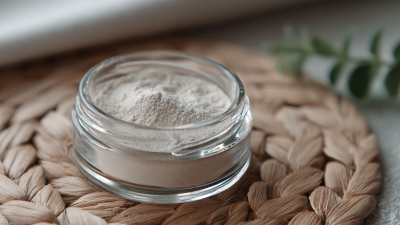
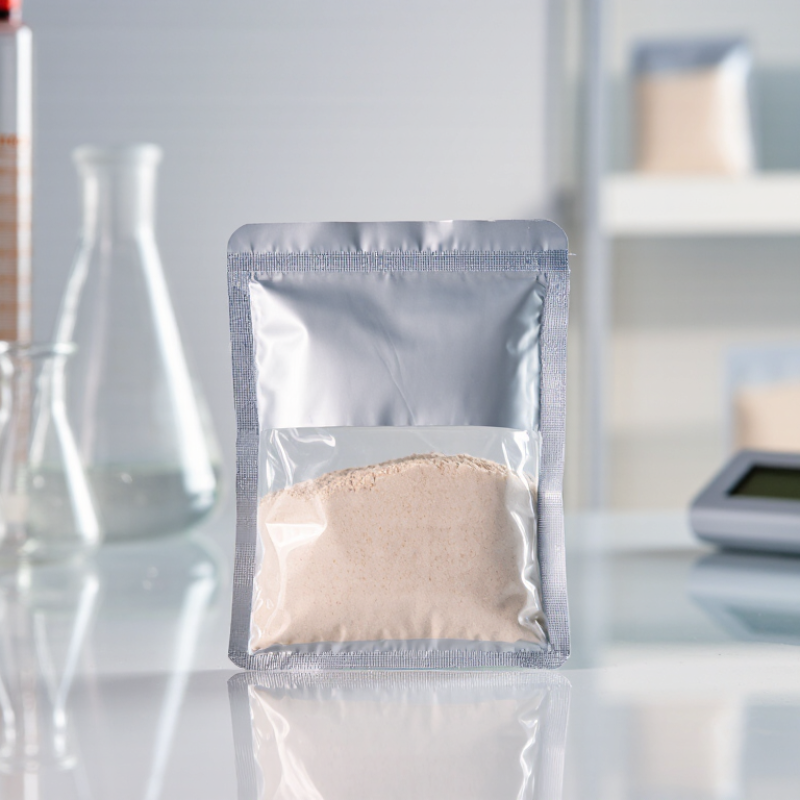
Sourcing Retinyl Retinoate Powder in bulk requires more than comparing prices or requesting a quick quotation. Buyers need a clear view of identity, purity, batch consistency, packaging, and intended cosmetic use. The ingredient may look like a fine, pale powder in a sealed pouch, yet its real value depends on documented quality and controlled handling. Small details matter.
A dependable supplier should provide a current specification sheet, certificate of analysis, safety data sheet, and batch traceability records. Ask how the material is tested, stored, and protected from heat, light, and moisture. Confirm the minimum order quantity, lead time, sample policy, and shipment conditions before discussing a large contract. Independent laboratory testing can also help verify key specifications, especially when the purchase involves a new supplier. Do not rely on attractive product photos.
Regional requirements may differ. Check cosmetic regulations, labeling expectations, import documentation, and permitted concentration limits in every target market. A qualified regulatory professional can review these points before production begins. Supplier audits, factory photographs, and a small pilot order may reveal gaps that sales materials overlook. No checklist is perfect. I would still revise it after each shipment.
This guide explains how to evaluate manufacturers, compare commercial terms, and reduce avoidable sourcing risks. It focuses on evidence rather than confident promises. A lower price can be useful, but only when quality, documentation, and supply reliability remain acceptable. Careful verification creates a stronger purchasing decision and a more predictable formulation process.
Define Retinyl Retinoate Powder and Its Bulk-Sourcing Requirements
How to Source Retinyl Retinoate Powder in Bulk?
Retinyl retinoate powder is a vitamin A derivative used in cosmetic formulations. Chemically, it is an ester formed from retinol and retinoic acid. It is usually supplied as a pale powder or concentrated solid, depending on the manufacturing process. Because it is sensitive to light, oxygen, and heat, sourcing requires more than comparing prices.
Bulk buyers should request a current certificate of analysis for every production batch. The document should show identity, assay, moisture, residual solvents, heavy metals, microbiological limits, and testing methods. Ask for chromatographic evidence, not only a supplier statement. Packaging also matters. Light-resistant, tightly sealed containers with nitrogen protection can reduce degradation risks. Confirm the minimum order quantity, sample policy, production lead time, shelf life, and recommended storage temperature. A supplier should explain traceability from raw materials to finished powder.
Tips: Start with a small evaluation batch. Test its color, odor, solubility, and performance in your actual formulation. Retinyl retinoate may behave differently across oils, emulsions, and anhydrous systems. Request stability data under realistic conditions, including repeated opening. Keep records of shipment temperature and container condition. A perfect forecast is unrealistic. Build a quality agreement that defines replacement terms, change notifications, and retesting responsibilities. Supplier audits can reveal weak documentation, although they cannot replace independent laboratory testing.
Identify and Screen Reliable Retinyl Retinoate Powder Suppliers
How to Source Retinyl Retinoate Powder in Bulk?
Reliable sourcing starts with careful supplier screening, not a low quoted price. Retinyl retinoate is sensitive to light, oxygen, heat, and moisture. Ask suppliers for a current specification sheet, certificate of analysis, safety data sheet, and manufacturing traceability records. The certificate should identify assay results, test methods, batch numbers, production dates, and retest dates. HPLC data can help confirm identity and purity. Check whether the supplier tests residual solvents, heavy metals, and microbiological quality. A polished PDF is not enough. Request testing from an independent laboratory when the order is significant. Small details matter.
Before approving a bulk supplier, request a representative sample from the same production batch. Examine its color, powder texture, odor, and packaging condition. Compare the supplier’s results with your own laboratory findings. Ask how the material is protected from light and oxygen during filling, transport, and storage. Aluminum-lined packaging, sealed containers, and clear temperature guidance are useful signs of practical control. Review the supplier’s batch consistency and complaint-handling process. Weak answers deserve attention. In my experience, a responsive technical team often reveals more than a sales presentation. Still, no document set is perfect. One missed question about storage history can undermine an otherwise careful purchase.
How to Source Retinyl Retinoate Powder in Bulk?
Identify and Screen Reliable Retinyl Retinoate Powder Suppliers
How to use this chart:
The scorecard prioritizes the evidence typically needed to qualify a bulk retinyl retinoate powder supplier. Request batch-specific documentation, including identity and assay testing, a Certificate of Analysis, traceability records, contaminant and microbiological results, stability data, safety documentation, and clear commercial terms before approval.
Evaluate Samples, Testing Reports, Packaging, and Storage Conditions
Sourcing retinyl retinoate powder in bulk requires more than comparing prices. Request a representative sample from the exact production batch planned for shipment. Examine its color, odor, texture, and dispersion behavior under controlled conditions. A slightly different appearance may indicate handling variation, but it should never be dismissed without investigation.
Ask for a current certificate of analysis, not a generic template. The report should identify the batch number, assay, identity test, impurity profile, residual solvents, heavy metals, and microbiological results. HPLC data is especially useful for confirming potency and detecting degradation products. Check whether the laboratory is independent and properly qualified. A polished report can still be incomplete. I would also compare the report with your own test results before approving a large order. Small differences may expose sampling or laboratory errors.
Tips: Keep samples in their original sealed containers. Protect them from light, heat, oxygen, and moisture. Confirm that bulk packaging is opaque, chemically compatible, tamper-evident, and clearly labeled. Ask whether nitrogen flushing or a moisture barrier is used. Storage conditions should follow validated supplier guidance, with temperature and humidity records maintained during warehousing. Avoid repeated opening of bulk containers. It sounds minor. It matters. One practical weakness is often overlooked: storage instructions may be written for unopened material, not daily production use. Clarify the permitted exposure time after opening, and document every deviation.
Negotiate Bulk Pricing, Minimum Orders, Shipping, and Supply Terms
How to Source Retinyl Retinoate Powder in Bulk?
Bulk negotiation should begin with a clear technical specification, not only a target price. Request assay, HPLC identification, residual solvents, heavy metals, particle size, and light-protection requirements. Ask for recent batch documents and a retained sample. According to ISO 22716 guidance, documented production and quality controls support consistent cosmetic ingredient manufacturing. However, paperwork alone is not proof. Test an independent sample before signing a large order.
Request tiered pricing at 1, 5, and 25 kilograms. Compare the price per usable kilogram, not only the invoice total. Define the minimum order quantity, payment schedule, and price validity period. McKinsey’s 2023 beauty market report projected the global beauty industry could reach about $590 billion by 2028, increasing pressure on dependable ingredient supply. That does not justify accepting vague terms. Negotiate batch reservation, advance notice for specification changes, and replacement rights for failed testing.
Shipping terms need equal attention. Confirm Incoterms, export documents, insurance, temperature limits, and light-resistant packaging. Ask for the real lead time, including production and customs clearance. Keep a small safety stock if demand is uncertain. I once treated a short lead time as guaranteed; that assumption was weak. A better agreement states delivery windows, late-shipment remedies, and communication duties in writing. Review the contract quarterly, because the cheapest arrangement can become expensive after one delayed or rejected batch.