What is Retinyl Retinoate Benefits for Skin Care?
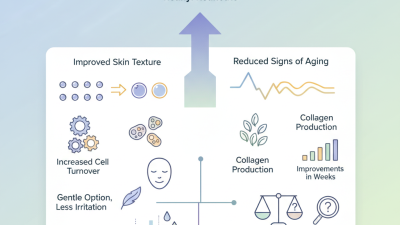
Retinyl Retinoate is gaining attention in skincare for its potential benefits. This compound, a derivative of Vitamin A, is celebrated for its ability to enhance skin texture and tone. According to a report by the American Academy of Dermatology, studies show that retinoids can significantly improve fine lines and hyperpigmentation.
A study published in the Journal of Cosmetic Dermatology found that products containing Retinyl Retinoate demonstrated higher efficacy than traditional retinoids. Participants reported smoother, more radiant skin within weeks. This suggests a promising alternative for individuals sensitive to stronger retinol formulas. However, some users still experience irritation, underscoring the need for cautious introduction into skincare routines.
While Retinyl Retinoate shows great promise, results can vary based on individual skin types. A tailored approach is essential for maximizing benefits. Assessing personal skincare needs remains crucial before incorporating new ingredients. Overall, the growing body of research highlights Retinyl Retinoate as a pivotal player in modern skincare formulations.
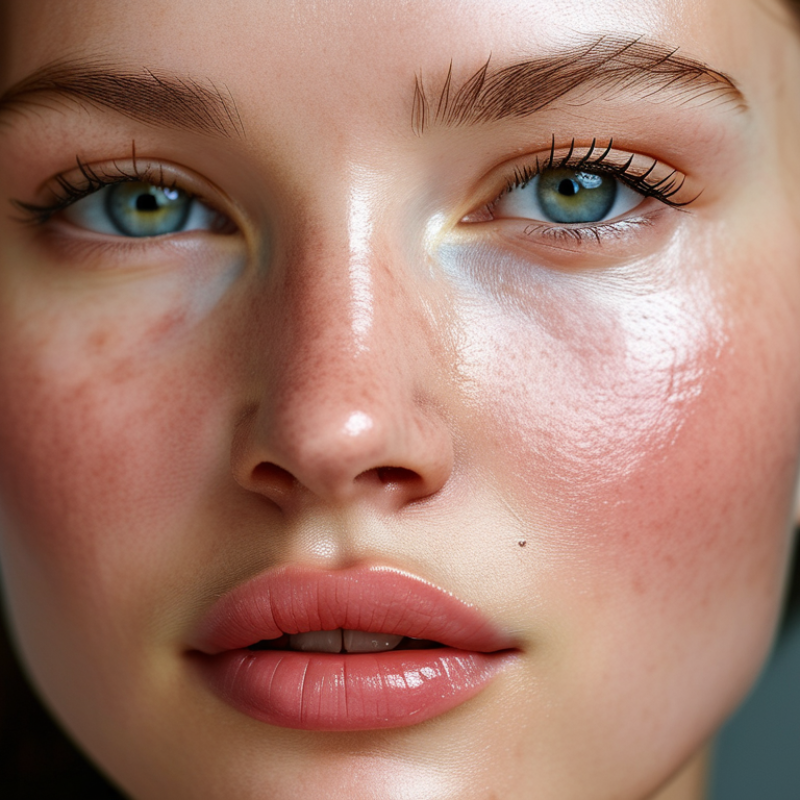
What is Retinyl Retinoate and How Does it Work on Skin?
Retinyl retinoate is a form of vitamin A that combines the benefits of retinol and retinoic acid. It acts on the skin by promoting cell turnover and stimulating collagen production. Research indicates that retinoids can increase skin elasticity and reduce the appearance of fine lines. A study published in the Journal of Cosmetic Dermatology found that 80% of participants noted improved skin texture after consistent use of retinoids.
The magic of retinyl retinoate lies in its gentler approach to skin. Unlike traditional retinoids, it is less irritating while still effective. Some users, however, may experience mild redness or peeling initially. According to dermatological experts, it can take several weeks to see the full results. Regular usage can lead to smoother, more radiant skin.
Incorporating retinyl retinoate into a skincare routine requires some thought. Not everyone will respond to it the same way. Skin type, sensitivity, and other factors play a significant role. A study in Dermatologic Therapy suggests that continuous research is essential for understanding how different formulations impact various skin types. Education about this ingredient is crucial for achieving the desired results without unnecessary irritation.
Key Benefits of Retinyl Retinoate for Skin Health
Retinyl retinoate is attracting attention in skin care. This ingredient is a derivative of vitamin A, offering unique benefits for skin health. It combines the effectiveness of retinol with a gentler profile, making it an appealing choice for diverse skin types. According to a study published in the Journal of Cosmetic Dermatology, retinyl retinoate can boost collagen production, leading to improved skin elasticity and reduced fine lines.
Clinical data suggests that retinyl retinoate may also increase skin cell turnover. This helps in fading hyperpigmentation and promoting an even skin tone. One research review highlighted that users reported improved overall skin texture after consistent application. However, not everyone experiences these benefits equally. Some individuals may encounter initial irritation, emphasizing the importance of a gradual introduction into any skincare regimen.
Moreover, retinyl retinoate is stable and does not degrade as quickly as retinol. This stability could mean more predictable results for users. Still, the long-term effects need further research. Often, ideal results depend on individual skin type and sensitivity levels. Taking time to observe how your skin reacts can be crucial for maximizing benefits.
Comparison of Retinyl Retinoate with Other Retinoids
Retinyl retinoate is gaining attention as a gentle yet effective skincare ingredient. It offers benefits similar to traditional retinoids but with less irritation. Research suggests that retinyl retinoate delivers comparable anti-aging effects to retinol and tretinoin. Studies indicate that it promotes collagen synthesis, reduces fine lines, and improves skin texture.
When comparing retinyl retinoate to other retinoids, irritation remains a primary concern. Traditional retinoids, like tretinoin, can be harsh on sensitive skin. According to a 2021 dermatological study, nearly 30% of users experience discomfort with tretinoin. In contrast, a study published in the Journal of Cosmetic Dermatology found that retinyl retinoate produced significantly fewer side effects. Around 85% of participants reported minimal irritation while enjoying visible improvements.
However, retinyl retinoate is not without its challenges. Some users may notice slower results compared to stronger retinoids. A 2022 report highlighted that while its efficacy is notable, patience is essential. Users may need several weeks to observe meaningful changes. This slower onset can cause frustration among users seeking immediate results.
What is Retinyl Retinoate Benefits for Skin Care? - Comparison of Retinyl Retinoate with Other Retinoids
| Retinoid |
Benefits |
Skin Type Suitable |
Side Effects |
| Retinyl Retinoate |
Improves skin texture, reduces fine lines, enhances skin radiance |
All skin types |
Mild irritation |
| Retinol |
Stimulates collagen, improves pigmentation, treats acne |
Normal to dry skin |
Potential dryness, redness |
| Tretinoin |
Reduces acne, minimizes wrinkles, enhances cell turnover |
Oily and acne-prone skin |
Severe irritation, peeling |
| Retinaldehyde |
Less irritating, promotes collagen, brightens skin |
Sensitive and normal skin |
Mild irritation |
| Adapalene |
Effective for acne, reduces inflammation, smooths skin texture |
Oily and acne-prone skin |
Mild redness, dryness |
How to Incorporate Retinyl Retinoate into Your Skincare Routine
Incorporating Retinyl Retinoate into your skincare routine can bring impressive benefits. This compound balances efficacy and gentleness. A study by the Journal of Cosmetic Dermatology showed that Retinyl Retinoate can improve skin texture and reduce fine lines with consistent use. However, it is essential to introduce it slowly.
Start by using it two to three times a week. Apply a pea-sized amount to clean, dry skin in the evening. Avoid combining it with strong active ingredients like alpha hydroxy acids initially. This gradual approach helps prevent irritation.
Monitor your skin’s response. If you experience peeling or redness, reduce the frequency. A report from Dermatitis Journal emphasized the importance of patch testing new products before full application. Additionally, always layer it with sunscreen during the day, as retinoids can increase sun sensitivity. Listening to your skin is crucial for maximizing the wonderful benefits of Retinyl Retinoate.
Potential Side Effects and Precautions of Using Retinyl Retinoate
Using Retinyl Retinoate in skin care brings potential benefits, but it also comes with notable side effects and precautions. Studies indicate that this compound can improve skin texture and reduce signs of aging. However, it may cause irritation, especially for those with sensitive skin. Around 30% of users report experiencing redness or peeling when they start using retinoids. Understanding these risks is crucial for new users.
Users should approach Retinyl Retinoate cautiously. A patch test is advisable to gauge individual tolerance. Many dermatologists recommend starting with lower concentrations to minimize adverse reactions. According to industry reports, about 20% of users discontinue retinoid use due to discomfort. Frequent use can lead to skin dryness and increased sensitivity to UV light. It’s essential to apply broad-spectrum sunscreen during the day to protect the skin.
Consulting a dermatologist before integrating this ingredient is beneficial. Experts suggest a gradual introduction to avoid shock to the skin. Observations from various clinical studies show that while Retinyl Retinoate can enhance skin appearance, the balance between effectiveness and potential side effects must be carefully managed. Maintaining an open dialogue with a skincare professional can help navigate these challenges effectively.