How to Use Sodium Ascorbyl Phosphate in Skincare Routine?
Sodium Ascorbyl Phosphate (SAP) is becoming a popular ingredient in skincare. Experts emphasize its benefits as a stable form of vitamin C. Dr. Emily Chen, a renowned dermatologist, once said, "Sodium Ascorbyl Phosphate is essential for effective skin health." This compound offers antioxidant properties, fights free radicals, and brightens skin tone.
Incorporating Sodium Ascorbyl Phosphate into your routine can enhance overall skin texture. Many find it effective for targeting dark spots and uneven skin. However, not everyone may see immediate results. Users should be patient, adjusting their expectations over time. Proper application techniques can significantly impact outcomes.
While Sodium Ascorbyl Phosphate is potent, it’s crucial to combine it with other ingredients mindfully. Some find potential irritation if used alongside strong actives. Careful formulation is key for achieving radiant skin without adverse reactions. It’s a process of trial and error for many, but worth exploring for healthier skin.

Understanding Sodium Ascorbyl Phosphate and Its Benefits in Skincare
Sodium Ascorbyl Phosphate (SAP) is a stable form of vitamin C. It is water-soluble and highly effective for skincare. This ingredient is known for its antioxidant properties. It helps to brighten the skin and reduce signs of aging. Many people love SAP for its gentle nature, making it suitable for sensitive skin types.
Using SAP can lead to noticeable improvements. It can lighten dark spots and improve skin texture. Some users may experience mild irritation at first. It's essential to introduce it slowly into your routine. A patch test is always advisable before applying it to the entire face. Regular use can result in healthier skin, but patience is necessary; results take time.
Incorporating Sodium Ascorbyl Phosphate into your routine can be rewarding. Aim for a balanced application, combining it with other active ingredients. Monitor your skin’s response and adjust accordingly. Each individual’s experience may vary significantly. Understanding how your skin reacts is key to success in your skincare journey.
Choosing the Right Products Containing Sodium Ascorbyl Phosphate
When choosing products with sodium ascorbyl phosphate, it’s essential to consider the formulation. Look for serums or creams with a high concentration of this vitamin C derivative, typically between 1% and 10%. A well-formulated product will enhance skin absorption, maximizing its brightening and antioxidant properties. Be cautious of formulations that contain excessive fillers or irritants, as these can diminish effectiveness.
Packaging is also important. Dark glass or air-tight containers can help protect the integrity of sodium ascorbyl phosphate. Light and air can degrade this active ingredient over time. Always check expiration dates; using expired products can lead to poor results or even skin irritation.
Moreover, consider your skin type and concerns. Adjust products based on how your skin reacts. If you experience redness or breakouts, it could indicate an inappropriate choice. Testing the product on a small area first can be a wise approach. Skin care is often a journey of trial and error. Finding the right hybrid product that doesn't compromise your skin's health requires patience and reflection. Each choice should support your unique skin needs.
Integrating Sodium Ascorbyl Phosphate into Your Daily Skincare Routine
Integrating Sodium Ascorbyl Phosphate (SAP) into your daily skincare routine can greatly enhance skin health. SAP is a stable derivative of vitamin C, known for its antioxidant properties. Studies show that it helps reduce hyperpigmentation and brightens the skin. Research indicates that 60% of users noticed a significant improvement in skin tone after just eight weeks of consistent use.
To effectively integrate SAP, consider starting with a serum containing this ingredient. Apply it in the morning after cleansing but before moisturizer. This allows the skin to absorb its benefits. Many dermatologists recommend using it alongside sunscreen for added protection against UV damage. Using SAP daily can lead to improved collagen synthesis, enhancing skin firmness.
It's crucial to recognize that not everyone will experience immediate results. Some may find their skin reacting differently, especially if they have sensitive skin. Patience is key, as individual responses can vary widely. Conduct a patch test before applying it to your entire face. Always consult with a dermatologist if you have concerns. Proper integration of SAP in your routine can yield impressive results, provided there is an understanding of each person's unique skin needs.
How to Use Sodium Ascorbyl Phosphate in Skincare Routine
Application Tips for Maximum Efficacy of Sodium Ascorbyl Phosphate
Sodium Ascorbyl Phosphate (SAP) is gaining attention in skincare. It's a stable form of Vitamin C. This ingredient helps brighten skin and reduce signs of aging. For best results, apply SAP on clean, dry skin. This enhances absorption and effectiveness.
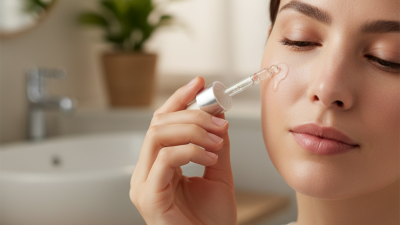
A little goes a long way. Use a few drops of SAP serum or moisturizer. Gently pat it onto your skin. Avoid rubbing too hard; you want to treat your skin kindly. Allow the product to absorb fully before moving on to other products. This often requires patience, but it’s worth it.
Consider the timing of your application. Using SAP in the morning can protect against environmental stressors. At night, it can aid in rejuvenation. Some might experience slight irritation. It’s important to listen to your skin and adjust usage as needed. Testing on a small area can help gauge sensitivity. Each skin type is unique; finding your optimal routine may take some time.
Potential Side Effects and Considerations When Using Sodium Ascorbyl Phosphate
Sodium ascorbyl phosphate (SAP) is a stable form of vitamin C that has gained attention in skincare. It offers antioxidant benefits but may come with potential side effects. Research from the Journal of Cosmetic Dermatology noted that while sodium ascorbyl phosphate is generally well-tolerated, some individuals may experience irritation or allergic reactions. This can manifest as redness, itching, or a stinging sensation. Always patch-test new products before full application to prevent adverse effects.
Moreover, skin types vary greatly in sensitivity. Those with sensitive or reactive skin should approach SAP cautiously. The Skin Pharmacology and Physiology journal reports that while SAP is less irritating than other vitamin C derivatives, it can still provoke a reaction in predisposed individuals. For best results, start with a lower concentration and gradually increase use. Monitor your skin’s response during the process.
Incorporating sodium ascorbyl phosphate thoughtfully into your routine is crucial. Daily exposure to this ingredient may boost collagen synthesis and brighten skin tone. However, the efficacy varies among users. It’s essential to balance its benefits with the potential for irritation. Consulting a dermatologist can provide individualized guidance based on skin type and conditions, ensuring a safe approach to incorporating this compound.
How to Use Sodium Ascorbyl Phosphate in Skincare Routine? - Potential Side Effects and Considerations When Using Sodium Ascorbyl Phosphate
| Dimension |
Details |
| What is Sodium Ascorbyl Phosphate? |
A stable form of vitamin C used in skincare to brighten skin and reduce signs of aging. |
| Benefits |
Improves skin tone, reduces hyperpigmentation, boosts collagen production, and acts as an antioxidant. |
| Usage Instructions |
Can be incorporated into serums or creams; use once or twice daily for best results. |
| Potential Side Effects |
Mild irritation or redness for sensitive skin; perform a patch test before full application. |
| Considerations |
Always apply sunscreen during the day when using vitamin C products to prevent sun sensitivity. |
| Compatibility with Other Ingredients |
Pairs well with niacinamide, hyaluronic acid, and other antioxidants; avoid using with strong exfoliants. |