How to Source Sodium Ascorbyl Phosphate for Your Business?
In the evolving beauty and skincare industry, sourcing quality ingredients like Sodium Ascorbyl Phosphate is crucial. Dr. Emily Chen, a leading expert in cosmetic chemistry, states, “Choosing the right raw materials can make or break a product’s success.” This highlights the importance of careful selection in sourcing.
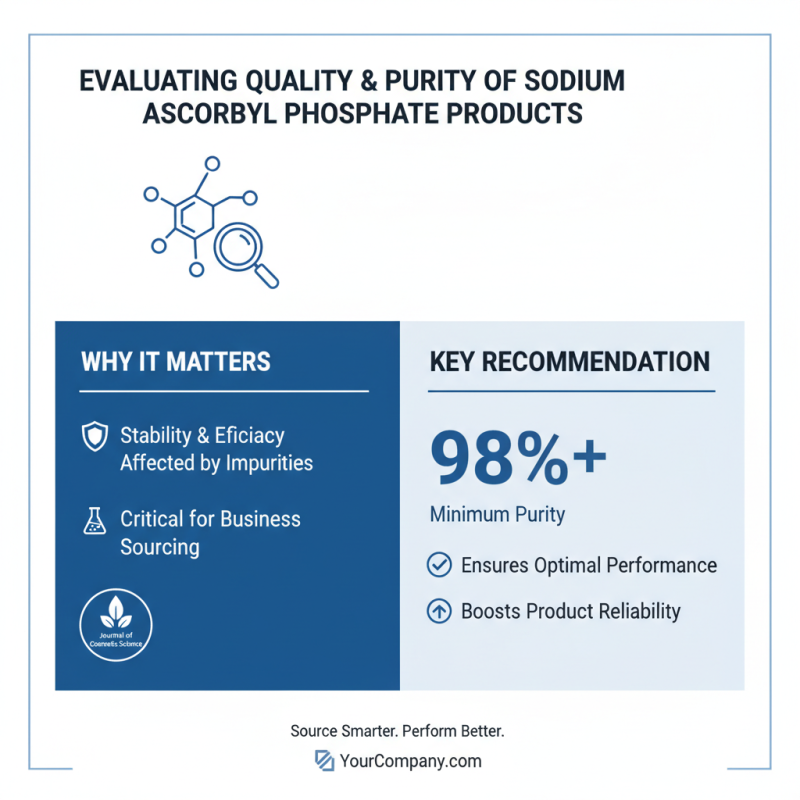
Sodium Ascorbyl Phosphate is known for its stability and efficacy. It is a potent form of Vitamin C, offering antioxidant benefits and brightening effects. However, not all suppliers guarantee the same quality. Businesses must do their due diligence when searching for suppliers. A reliable source ensures ingredient purity and effectiveness.
While navigating this landscape, challenges often arise. Some suppliers might lack transparency regarding sourcing methods. Others may not have sufficient quality control measures. As a result, it is essential for businesses to establish relationships with reputable suppliers. Doing so not only enhances product quality but also builds customer trust.

Understanding Sodium Ascorbyl Phosphate and Its Benefits
Sodium Ascorbyl Phosphate, often abbreviated as SAP, is a stable form of vitamin C. It is essential in skincare and cosmetic formulations. This powerful antioxidant fights free radicals, reducing oxidative stress. Its stability makes it a preferred ingredient over traditional vitamin C.
The benefits of Sodium Ascorbyl Phosphate are numerous. It helps brighten skin tone and improve overall texture. Users often report reduced dark spots and enhanced radiance. Moreover, it boosts collagen production, promoting skin elasticity. This ingredient is suitable for various skin types, including sensitive skin.
Sourcing this compound requires careful consideration. It’s important to ensure that the supplier provides high-quality and pure Sodium Ascorbyl Phosphate. Not all suppliers maintain stringent quality controls. Choose those with a proven track record in the industry. It will save time and avoid potential complications in formulations. Taking these steps can greatly enhance the effectiveness of your skincare products.
Identifying Reliable Suppliers for Sodium Ascorbyl Phosphate
Identifying reliable suppliers for Sodium Ascorbyl Phosphate is crucial for your business. Start by researching potential suppliers online. Look for companies that specialize in cosmetic ingredients. Check their website and product catalog for transparency. A well-organized site often reflects reliability. Reviews from other customers can provide insight into their reputation and service.
Meet your suppliers in person, if possible. This builds trust and allows for better communication. Ask about their sourcing methods. Sustainable sourcing is becoming increasingly important. Verify their quality assurance processes. Request samples to evaluate product quality. Reliable suppliers should be willing to provide documentation, including safety data sheets.
Don’t hesitate to ask questions. Every good supplier values open communication. If responses are vague, reconsider your choice. Building a relationship takes time. Regular check-ins can help maintain a strong connection. Evaluate their responsiveness and willingness to help. These factors can significantly impact your business in the long run.
Navigating Pricing and Minimum Order Requirements
When sourcing Sodium Ascorbyl Phosphate (SAP), understanding pricing is crucial. Prices can vary significantly based on supply chain dynamics and purity levels. Engage multiple suppliers to gauge the market rate. Get quotes, but don’t rush into a decision. Take time to analyze what each vendor offers.
Minimum order requirements are another key factor. Many suppliers impose minimum order quantities, which can influence your purchasing strategy. Some may require large amounts, potentially tying up cash flow. Consider your demand forecasts before committing. A smaller, flexible order could be more beneficial.
Procurement should not feel like a simple transaction. Building relationships with suppliers can pay off in the long run. Ask about lead times and return policies. If these weren’t satisfactory, what would that mean for your business? Every detail counts in the buying process, and it’s essential to weigh each factor carefully.
How to Source Sodium Ascorbyl Phosphate for Your Business? - Navigating Pricing and Minimum Order Requirements
| Supplier Location |
Pricing Per kg |
Minimum Order Quantity (kg) |
Lead Time (Days) |
Payment Terms |
| USA |
$45.00 |
50 |
10 |
Net 30 |
| China |
$30.00 |
100 |
20 |
T/T in advance |
| Germany |
€40.00 |
20 |
15 |
Cash on delivery |
| India |
₹3500.00 |
200 |
25 |
Net 15 |
Establishing a Sustainable Supply Chain for Your Business Needs
Sourcing Sodium Ascorbyl Phosphate requires a reliable and sustainable supply chain. Establishing such a chain can enhance product quality and improve customer satisfaction. Start by identifying potential suppliers who prioritize sustainability. Look for suppliers that contribute to waste reduction, use renewable energy, and follow ethical sourcing practices.
Tips: Evaluate suppliers based on their certifications. Certifications indicate a commitment to sustainability and quality standards. Don't hesitate to request documentation. Transparency helps build trust and ensures you meet your sustainability goals.
Building long-term relationships with suppliers is crucial. This allows for better communication and collaboration on sourcing challenges. Regularly assess their practices to ensure they align with your business needs. Flexibility in your sourcing strategy can lead to innovative solutions.
Tips: Conduct periodic reviews of your supply chain. Identify areas for improvement or adaptation. This can enhance your operational efficiency and address potential risks. Small adjustments can lead to significant long-term benefits. Continuous evaluation fosters growth and resilience in your supply chain.