Vitamin A Retinol remains a high-value ingredient in skincare, nutrition, and pharmaceutical manufacturing. Global buyers need more than an attractive supplier profile. They need verified quality, stable supply, and documentation that survives careful review.
Dr. Zoe Diana Draelos, a respected dermatologist and cosmetic science expert, has described retinoids as “the gold standard for skin rejuvenation.” Her statement reflects the ingredient’s strong scientific reputation. However, reputation alone cannot guarantee a reliable purchase. Buyers should examine manufacturing licenses, GMP certifications, batch-specific Certificates of Analysis, assay results, impurity limits, packaging controls, and stability data. Retinol can degrade when exposed to light, oxygen, heat, or moisture. A sealed, opaque container is not a minor detail.
This guide introduces China’s top 10 Vitamin A Retinol suppliers for global buyers. The selection considers manufacturing experience, technical support, export capability, product consistency, and communication quality. It also considers whether suppliers can provide practical evidence, not only polished brochures. That distinction matters.
Some companies may offer competitive prices but limited documentation. Others may provide excellent technical files but slower delivery. No supplier is perfect. Buyers must match supplier strengths with their own application, volume, market, and compliance requirements. A cosmetic brand may prioritize low peroxide values and formulation guidance. A pharmaceutical manufacturer may require stricter validation and traceability.
The ranking is a useful starting point, not a final purchasing decision. Independent testing remains wise. So does asking difficult questions before signing a contract.
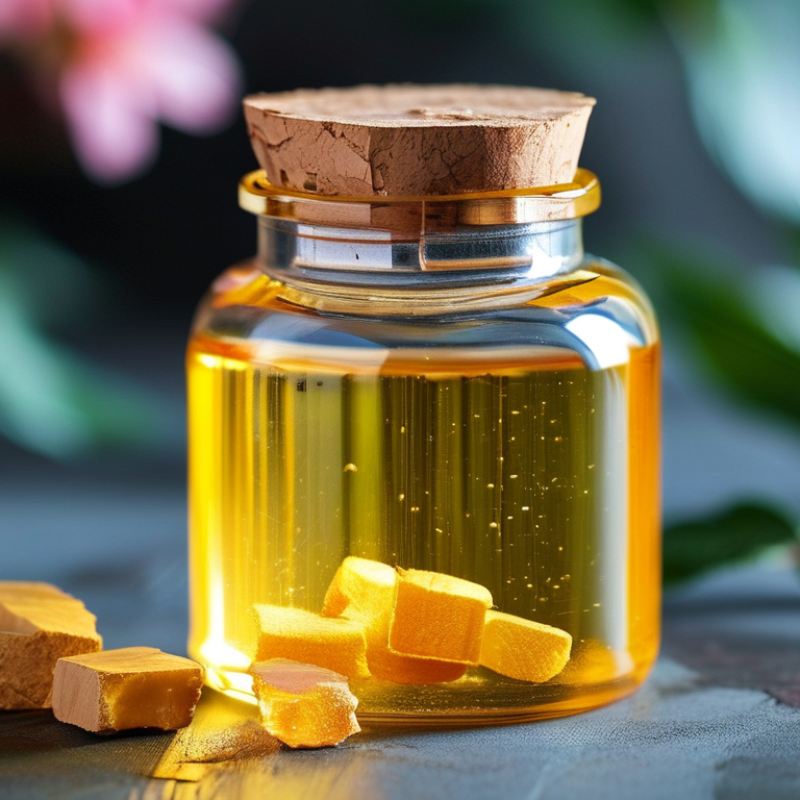
Choosing among China’s top vitamin A retinol suppliers requires more than comparing prices. Global buyers should examine manufacturing experience, technical control, and export reliability. Retinol is sensitive to oxygen, light, and heat. A capable supplier should explain its stabilization method, packaging design, and recommended storage temperature clearly.
Request a recent certificate of analysis for each batch. Check assay, impurity limits, residual solvents, heavy metals, microbiological results, and test methods. Independent laboratory verification can confirm the supplier’s data. Useful documents include safety data sheets, product specifications, traceability records, and stability reports. Production sites should maintain recognized quality systems and support reasonable customer audits. Details matter.
Supply continuity also deserves close attention. Ask about minimum order quantities, lead times, reserve inventory, and temperature-controlled transport. Review how the supplier handles deviations, complaints, recalls, and damaged packaging. Clear answers show stronger operational maturity. In practical sourcing, small gaps often appear after the first order. Communication may seem excellent, yet technical documents can arrive late. That risk needs attention. No supplier is perfect. Buyers should record weaknesses, assign corrective actions, and test samples before approving regular purchases. A lower price is not useful if oxidation reduces potency during shipment. Reliability is measured across documents, samples, production behavior, and delivery performance.

China Top 10 Vitamin A Retinol Suppliers for Global Buyers
Profiles of China’s Top 10 Vitamin A Retinol Suppliers
These ten supplier profiles focus on production capability, documentation, and export experience. They cover retinol powder, oil-based concentrates, and coated feed-grade forms. Grand View Research and IMARC market assessments indicate steady vitamin A demand through 2030, supported by nutrition, animal feed, and pharmaceutical applications. However, market size estimates vary by product definition. Buyers should examine the original report scope.
The strongest profiles show controlled batch production, HPLC testing, and traceable raw materials. Several suppliers provide certificates of analysis, stability data, ISO systems, and GMP-related documentation. Some also support custom concentration or packaging. A practical example is a sealed 25-kilogram fiber drum with nitrogen protection and a clear production date. This detail matters because retinol is sensitive to light, oxygen, and heat. Supplier rankings are never perfect. Export records may be incomplete, and online claims can appear stronger than factory evidence.
Tips: Request three recent COAs, not one. Check assay, impurities, moisture, and microbiological limits. Ask for accelerated stability results at defined temperatures. Confirm whether the quoted material is retinol, retinyl acetate, or a premix. These forms are not interchangeable. WHO nutrition guidance and FAO feed standards also show why dosage accuracy requires technical review. Before payment, arrange an independent sample test and verify the supplier’s facility, certifications, and regulatory suitability for the destination market.
Anonymized supplier comparison based on commonly published Vitamin A product formats, quality documentation, export capabilities, and buyer due-diligence requirements.
| Profile | Typical Product Focus | Common Commercial Forms | Typical Potency Range | Target Applications | Quality Documents Commonly Available | Packaging Commonly Offered | Export & Compliance Indicators | Recommended Buyer Verification |
|---|---|---|---|---|---|---|---|---|
| Supplier Profile 01 | Feed-grade Vitamin A concentrates | Stabilized beadletsDry powder | Approximately 500,000–1,000,000 IU/g, depending on formulation | Poultry, swine, aquaculture, premixes | Certificate of Analysis, product specification, Safety Data Sheet, microbiological results | Multi-layer bags, fiber drums, or cartons with sealed inner liners | Batch traceability and support for feed-import documentation | Confirm retinol activity, moisture, particle size, stability data, and storage conditions |
| Supplier Profile 02 | Food and nutrition Vitamin A esters | Oil suspensionEncapsulated powder | Commercial potency varies by ester, carrier oil, and stabilization system | Fortified foods, dietary supplements, premixes | CoA, allergen statement, non-GMO statement where applicable, residual-solvent declaration | Light-protective containers, sealed drums, or foil-lined bags | Food-grade documentation and support for international customs clearance | Check ester identity, carrier composition, oxidation limits, and food-law status in the destination market |
| Supplier Profile 03 | Pharmaceutical and nutraceutical retinyl acetate | Crystalline materialOil solution | Assay reported according to the applicable monograph or internal specification | Capsules, tablets, oral liquids, pharmaceutical formulations | CoA, GMP-related quality documents, change-control statement, impurity profile | Small sealed containers or light-resistant drums | Batch release procedures and regulatory-document support | Request monograph alignment, identity testing, assay method, impurities, and retest period |
| Supplier Profile 04 | Retinyl palmitate for supplements and cosmetics | Oil formPowder form | Frequently commercialized in standardized concentrate grades; exact potency must be confirmed per lot | Softgels, skincare products, premixes | CoA, INCI or ingredient identification information, SDS, stability and storage guidance | Amber bottles, drums, or foil-lined cartons | Export labeling and documentation adapted to cosmetic or supplement use | Verify retinyl palmitate percentage, vitamin A activity conversion, peroxide value, and light sensitivity |
| Supplier Profile 05 | Custom-blended Vitamin A premixes | Powder premixGranulated blend | Customer-defined concentration based on carrier and application | Animal nutrition, food fortification, industrial premixes | Formula specification, CoA, homogeneity data, microbiological report, mixing instructions | Moisture-barrier bags or lined cartons | Private-label and contract-manufacturing support may be available | Audit blend uniformity, carrier compatibility, overage policy, and shelf-life validation |
| Supplier Profile 06 | Small-volume research and development supply | Laboratory packsConcentrated solutions | Lot-specific assay stated on the certificate of analysis | Formulation trials, analytical laboratories, pilot production | CoA, SDS, analytical method, lot number, research-use documentation where applicable | Small amber containers with tamper-evident seals | Suitable for sample export subject to destination regulations | Confirm minimum order quantity, sample retention, shipping temperature, and retest policy |
| Supplier Profile 07 | High-volume feed additive supply | Stabilized beadletsIndustrial cartons | Grade-dependent potency with declared overage and stability parameters | Large-scale premix and compound-feed manufacturing | CoA, batch traceability, feed-safety statement, stability data, contaminant testing | Bulk cartons, woven bags with liners, or palletized export units | Production-capacity and shipment-planning support for recurring orders | Verify annual capacity, lead time, inventory policy, and transport-condition controls |
| Supplier Profile 08 | Specialty low-oxidation Vitamin A solutions | Oil concentrateNitrogen-flushed pack | Concentration and activity depend on solvent or carrier system | Softgels, liquid supplements, cosmetics, laboratory formulation | CoA, peroxide and anisidine values, antioxidant declaration, SDS, storage study | Light-resistant bottles, cans, or drums with headspace protection | Temperature- and light-control recommendations for international transport | Review oxidation testing, antioxidant compatibility, fill-volume tolerance, and transport validation |
| Supplier Profile 09 | OEM and private-label Vitamin A ingredient supply | Bulk ingredientFinished premix | Customer specification or standard commercial grade | Branded supplements, contract manufacturing, functional nutrition | CoA, specification sheet, label-support documents, allergen and origin statements | Bulk packs, retail-ready containers, or customized secondary packaging | Private-label documentation and export-label adaptation may be available | Confirm ownership of specifications, artwork controls, recall procedures, and change notification |
| Supplier Profile 10 | Integrated sourcing and distribution service | Multiple gradesStocked formats | Varies by manufacturer, ester type, and application grade | Importers, distributors, supplement and feed producers | Manufacturer CoA, SDS, origin documents, inspection records, shipping documents | Standard manufacturer packaging with consolidated export pallets | Multi-market logistics coordination and documentation support | Verify actual manufacturer, authorized distribution status, lot ownership, and chain of custody |
Buyer note: Vitamin A retinol products are light-sensitive and may be vulnerable to oxidation. Potency, ester identity, carrier, assay method, shelf life, packaging, and regulatory status can differ significantly between lots and applications. Buyers should obtain a current lot-specific Certificate of Analysis and independently verify all supplier claims before purchase.
Reference framework: Product specifications should be checked against the applicable pharmacopeial, food, feed, cosmetic, and destination-market requirements. “IU/g” values are product-specific and should not be assumed from the ingredient name alone.
China’s top ten vitamin A retinol suppliers are often compared by grade, testing, and customization ability. Global buyers should distinguish cosmetic-grade retinol from stabilized vitamin A derivatives. Each grade serves a different purpose. Assay, purity, solvent residue, moisture, and oxidation limits deserve careful review. A clear certificate of analysis should include batch numbers and test methods. Independent laboratory verification adds confidence.
Specifications should cover concentration, carrier, appearance, odor, storage temperature, and shelf life. Some suppliers offer retinol in oil solutions, powders, or protected packaging. Custom options may include concentration adjustments, private labels, smaller trial batches, and export-ready cartons. However, customization can affect stability and lead time. A lower price may hide higher testing costs. That matters.
Tips: Request a recent sample and matching COA. Check light protection, nitrogen filling, and cold-chain requirements when applicable. Ask for stability data under realistic warehouse conditions. Confirm ISO, GMP, traceability, and local regulatory documents before ordering. Do not rely on ranking claims alone. A supplier may perform well for bulk orders but struggle with small, customized batches. I have seen attractive specifications change after production, so written approval samples are essential. Recheck them before signing.
Reliable retinol sourcing begins with controlled handling, not attractive brochures. Retinol degrades under light, oxygen, and heat. Suppliers should use opaque packaging, nitrogen protection, and monitored storage. Ask for batch-specific certificates of analysis, including identity, assay, impurities, and residual solvents. HPLC results should match the stated specification.
Quality systems also require traceability. Each drum should connect to raw material records, production dates, test results, and release approval. Look for documented GMP practices and relevant ISO certification. A supplier should provide SDS files, technical data, stability information, and change-control procedures. Short answers are not enough.
Regulatory compliance depends on the destination and final application. Buyers should confirm whether the material is intended for cosmetics, food, or another lawful use. Required documents may include origin statements, contaminant testing, allergen information, and market-specific declarations. European and North American requirements can differ significantly. Never rely on a certificate without checking its scope and validity.
This is where practical review matters. A polished audit package may still contain weak traceability. Request recent samples and compare them with production batches. Inspect seal condition, labeling, storage temperature, and delivery records. Retinol can pass an initial test yet lose potency through poor transport. Even experienced buyers sometimes overlook this gap. That mistake deserves attention.
China Top 10 Vitamin A Retinol Suppliers for Global Buyers
Price comparisons should begin with product specifications, not the lowest quotation. Retinol pricing varies by purity, concentration, formulation, packaging, and annual volume. A reliable supplier should provide a current certificate of analysis, batch number, assay results, and storage guidance. Ask whether prices include export packaging, documentation, and testing fees. Small trial orders may cost more per kilogram, but they reduce financial risk.
MOQ often ranges from laboratory quantities to several hundred kilograms. Confirm whether the supplier accepts mixed batches or staged deliveries. Lead times should include production, quality inspection, and preparation of export documents. For temperature-sensitive retinol, request details about light-resistant containers, sealed liners, and cold-chain options. A practical test is simple: ask for a written timeline with each milestone. Vague answers deserve caution.
International shipping requires careful planning. Compare EXW, FOB, CIF, and DDP offers only after checking what each term covers. Air freight is faster, while sea freight may reduce costs for larger orders. Customs requirements, import permits, insurance, and destination taxes remain the buyer’s responsibility in many arrangements. The cheapest freight option may not protect product quality. This shortlist is not perfect. Supplier rankings can change after audits, failed samples, or delayed shipments. A documented sample evaluation and third-party verification provide stronger evidence than online claims.