Leave Your Message

China Best Retinol Powder Supplier What Buyers Need to Know

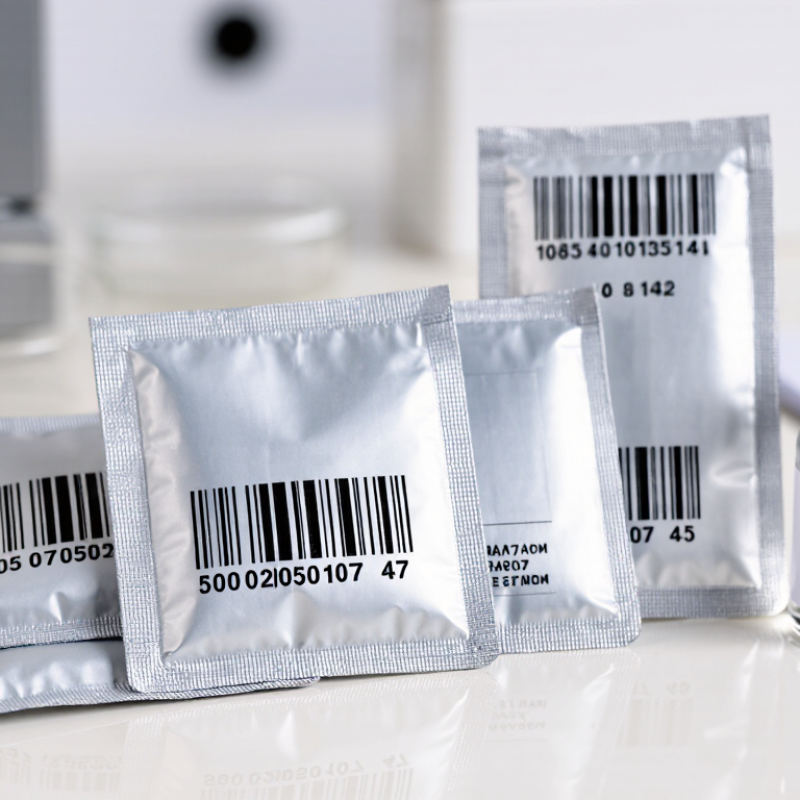
China has become a major sourcing destination for cosmetic ingredients, including Retinol Powder. Buyers, however, should evaluate more than price and export volume. Supplier capability is visible in small details: sealed aluminum bags, batch numbers, controlled storage, and complete testing records.

Grand View Research reported that the global retinol market was valued at approximately USD 1.13 billion in 2023. Its analysis also identified continued demand for anti-aging skincare and improved product formulations. This growth creates opportunities for Chinese manufacturers, but it also increases the risk of inconsistent specifications. Market growth does not guarantee supplier reliability. That assumption needs examination.

Dr. Zoe Diana Draelos, a respected dermatologist and cosmetic science researcher, has described retinol as “the most common over-the-counter retinoid.” Her observation explains why buyers must assess identity, purity, stability, and application guidance carefully. Retinol can degrade when exposed to heat, oxygen, or light. A clear container on a sunny warehouse shelf is already a warning sign.

The European Commission’s CosIng database and international cosmetic safety guidance show that ingredient compliance depends on product use, concentration, and market requirements. Buyers should request a current certificate of analysis, safety data sheet, specification sheet, residual solvent results, heavy-metal testing, and stability information. Independent laboratory verification is even better.

Some suppliers provide excellent documentation. Others offer attractive certificates with limited traceability. The difference may only appear after production begins. This guide examines Chinese Retinol Powder suppliers through quality control, packaging, technical support, communication, and realistic delivery performance. No supplier is perfect, and buyers should remain willing to question impressive claims.
China Best Retinol Powder Supplier What Buyers Need to Know

Retinol Powder Identity: CAS 68-26-8 and Molecular Weight 286.46 g/mol

When evaluating a China-based retinol powder supplier, buyers should verify the material’s identity before discussing price. Retinol is identified by CAS 68-26-8. Its molecular weight is 286.46 g/mol. These details should appear consistently on the specification sheet, certificate of analysis, and product label.

A reliable supplier should provide batch-specific testing, not only a general product brochure. Ask for assay results, appearance, residual solvents, heavy metals, and microbiological data where relevant. High-purity retinol powder usually requires careful protection from light, oxygen, heat, and moisture. Opaque packaging and controlled storage matter. A cool warehouse helps, but it does not replace proper sealing. Buyers should also check the production date, retest date, and recommended transport conditions. Some documents may look complete while missing critical test methods. That deserves a second review.

Tips: Request an independent identity test when the order is important. Confirm that the measured molecular weight matches 286.46 g/mol. Check whether the CAS number is printed correctly. Compare the batch number across every document. Ask for packaging photographs before shipment. Retinol is sensitive. Handle it carefully. One practical mistake is trusting a familiar specification without checking the actual batch. Supplier experience is useful, but traceable evidence is stronger. Conversations should also clarify storage after delivery, because poor handling can reduce quality before formulation begins.
Purity Verification: HPLC Assay Commonly Requires ≥98% Retinol

For buyers comparing a China retinol powder supplier, HPLC assay is a practical starting point. A specification of at least 98% retinol is commonly requested for standardized powder. However, the number needs context.

Retinol is sensitive to light, oxygen, and heat. Poor handling can reduce potency before testing. Ask for a recent certificate of analysis, batch number, test date, solvent details, and chromatogram. HPLC with UV detection near 325 nm is widely used for retinol identification and quantification. The USP-NF General Chapter <621> describes essential chromatography controls, including system suitability and resolution. These details matter more than a single bold purity claim.

The 2023 ICH Q2(R2) guideline emphasizes specificity, accuracy, precision, linearity, and robustness during analytical validation. Buyers should request these validation records from the testing laboratory. An ISO/IEC 17025-accredited laboratory adds useful confidence, but accreditation alone does not prove every batch is genuine. A reported 99.5% result may still hide degradation products or an unsuitable reference standard. That is an uncomfortable gap.

Use an independent laboratory for confirmatory testing, especially before large-volume purchasing. Compare duplicate samples from the same batch. Retain sealed samples under controlled, dark storage. A supplier who cannot explain sampling procedures, HPLC conditions, or retest limits deserves careful review. Purity is not only a percentage; it is a traceable measurement supported by evidence.

China Best Retinol Powder Supplier What Buyers Need to Know - Purity Verification: HPLC Assay Commonly Requires ≥98% Retinol

Buyer Verification Dimension Typical Requirement or Reference Point Recommended Evidence Why It Matters
Identity Retinol, also known as vitamin A alcohol; confirm the declared chemical identity and form. Certificate of Analysis (CoA), HPLC retention-time comparison, and an appropriate spectroscopic identity test. Prevents substitution with retinyl esters, retinal, beta-carotene, or an incorrectly labeled material.
HPLC assay Common buyer specification: ≥98.0% retinol, subject to the agreed test method, calculation basis, and product grade. Recent third-party or laboratory HPLC report showing the method, chromatogram, sample number, result, and analyst approval. Assay confirms the amount of target retinol but does not by itself prove full quality or stability.
Related substances Set limits for specified and unspecified impurities, oxidation products, and other retinoids according to the intended application. HPLC impurity profile with separate reporting of major degradants rather than assay alone. A high assay result can still coexist with unacceptable degradation products.
Moisture or loss on drying Use a documented internal limit appropriate for the formulation and packaging system; a low, controlled value is generally preferred. Karl Fischer or validated loss-on-drying result, including the test date. Excess moisture may affect powder handling, oxidation risk, and shelf life.
Appearance Color and physical form should match the approved specification; retinol-containing materials may be yellow to orange and are light-sensitive. Approved visual description, representative sample, and batch photographs where appropriate. Unexpected darkening, clumping, or odor can indicate exposure or degradation.
Heavy metals and elemental impurities Limits should follow the destination market, product category, and applicable risk-based requirements. ICP-MS or ICP-OES report covering relevant elements such as lead, arsenic, cadmium, and mercury. Contamination may arise from raw materials, catalysts, processing equipment, or packaging.
Microbiological quality Apply limits suitable for the intended use, especially when the powder is used in cosmetics, foods, or supplements. Total aerobic microbial count, yeast and mold, and specified pathogen testing where relevant. Microbial expectations differ by application and cannot be inferred from chemical purity.
Residual solvents Residues should comply with the applicable solvent limits for the destination market and intended use. Validated GC report identifying solvents tested, limits, and actual results. Residual solvents are not measured by a standard HPLC assay unless specifically included in the method.
Stability and retest period Require real-time and/or accelerated stability data supporting the stated retest period or shelf life. Stability protocol, time-point results, storage conditions, and degradation trend for assay and impurities. Retinol is susceptible to light, oxygen, heat, and unsuitable storage conditions.
Packaging and protection Use sealed, light-protective packaging with appropriate headspace control and a clearly defined storage condition. Packaging specification, container-closure description, tamper evidence, and storage instructions. Packaging directly influences oxidation, potency retention, and batch consistency.
Batch traceability Each lot should have a unique batch number linked to production, testing, packaging, and shipment records. Batch record, CoA, manufacturing date, retest date, and chain-of-custody documentation. Traceability supports recalls, investigations, and verification of delivered material.
Pre-shipment acceptance Approve a retained sample and define independent testing rights before commercial release. Sealed pre-shipment sample, agreed specification, independent laboratory test, and deviation procedure. Independent confirmation reduces the risk of relying only on supplier-issued documentation.

Buyer note: The ≥98% HPLC assay point is a commonly requested commercial specification, not a universal legal requirement. Final acceptance criteria should be agreed in writing for the intended application, destination market, analytical method, and calculation basis.

Supplier Compliance: GMP, ISO 9001, COA, SDS, and Batch Traceability

China Best Retinol Powder Supplier: What Buyers Need to Know

When sourcing retinol powder from China, compliance documents deserve close attention. GMP shows that production follows controlled hygiene and manufacturing procedures. ISO 9001 reflects a quality management system, but it does not prove product purity alone. Ask for current certificates, issuing organizations, covered facilities, and expiration dates. A certificate with the wrong factory address is a warning sign.

Every batch should include a COA with retinol assay, appearance, identification, moisture, heavy metals, and microbiological results where relevant. Compare the COA with your agreed specification. Do not accept a generic document reused across shipments. The SDS should explain handling, storage temperature, hazards, and protective measures. Retinol can degrade under heat, oxygen, and light, so packaging details matter. Amber containers, sealed inner bags, and cold-chain instructions may be necessary. Some suppliers explain this well. Others do not.

Tips: Request a sample COA before placing an order. Check whether the testing laboratory is independent or internal. Ask for the batch number on the container, COA, invoice, and shipment record. Traceability should connect raw materials, production dates, test results, and warehouse release records. Keep these files for your quality review. It is easy to trust polished paperwork too quickly. I have found that one missing signature or unclear revision date can reveal a much larger control problem. Supplier audits and periodic retesting remain useful, even when the documents look complete.

Stability Control: Light, Oxygen, and Temperature Protection at 2–8°C

China Best Retinol Powder Supplier: What Buyers Need to Know

Retinol powder is sensitive to light, oxygen, and temperature changes. A reliable supplier should control these risks from filling to delivery. Storage at 2–8°C slows degradation, but it does not stop it. Cold storage is not enough.

Use opaque, tightly sealed containers with suitable oxygen protection. Nitrogen flushing may help when validated for the specific packaging system. Each container should show the batch number, net weight, storage range, and retest date. Buyers should request stability data, assay results, moisture testing, and relevant certificates before placing a large order. Small samples can reveal handling problems early.

During transport, insulated packaging and temperature indicators provide useful evidence. Avoid repeated warming and cooling cycles. Ask how long the material may remain outside 2–8°C during customs or warehouse transfer. The answer should be written, not guessed. On receipt, inspect the seal, container surface, and powder appearance before opening. Record the temperature history when possible.

Real operations are rarely perfect. A brief temperature excursion may not mean immediate failure, but it requires documented assessment. Some buyers trust a cold-chain label too quickly. That is a mistake worth reviewing. Retinol can still lose potency after poor light exposure, even when the shipment feels cold. Experienced suppliers should explain deviations openly and support testing when storage conditions are uncertain.

China Retinol Powder Supplier: Stability Control Buyers Need to Know

Retinol powder should be protected from light and oxygen and stored under controlled refrigeration. The chart compares common temperature bands used for refrigerated storage, controlled room-temperature studies, and accelerated stability testing.

Temperature
Keep the material refrigerated at 2–8°C whenever the product specification requires cold-chain storage.
Light
Use opaque or light-resistant packaging and limit direct exposure during sampling and handling.
Oxygen
Minimize container headspace and use an appropriately sealed package to reduce oxidative exposure.

Buyer Due Diligence: Test Samples, MOQ, Lead Time, and Export Documentation

China Best Retinol Powder Supplier: What Buyers Need to Know

Retinol powder requires careful verification before commercial purchasing. Grand View Research reported that the global anti-aging market reached approximately USD 40 billion in 2023. This demand attracts both capable manufacturers and inconsistent traders. Request a representative sample, not only a polished laboratory vial. Test appearance, odor, assay, particle size, residual solvents, heavy metals, and microbial limits. HPLC testing should confirm identity and concentration. Ask for the method and laboratory name. A certificate without traceable results is weak evidence.

Discuss MOQ and lead time in writing. A low MOQ may hide higher unit costs or unstable production planning. Ask whether the quoted MOQ applies to one batch, one package size, or a yearly order. Confirm production time, release testing, packaging, and dispatch dates separately.

Retinol is sensitive to light, oxygen, and heat, so examine the container, nitrogen protection, storage temperature, and retest period. ISO 22716 provides useful cosmetic GMP guidance, although it does not replace your own qualification process. I would not approve a supplier after one successful sample. That decision is convenient, but not very robust.

Tips: Compare at least three samples from different lots. Request the COA, SDS, commercial invoice, packing list, certificate of origin, HS classification, and export declaration details. Check that documents match the legal entity, batch number, net weight, and consignee information. The U.S. FDA states that cosmetic products generally are not pre-approved before marketing, placing greater responsibility on manufacturers and buyers. Customs requirements still vary by destination. Ask a broker to review them before shipment.