Unlocking the Secrets of Vitamin A Retinol for Youthful Skin and Radiance
In the quest for youthful skin and a radiant complexion,
Vitamin A Retinol has emerged as a cornerstone ingredient in dermatology
and cosmetic formulations. According to a report by the
American Society of Dermatology, approximately
90% of dermatologists recommend retinoids as a first-line therapy for aging skin,
underscoring their efficacy in reducing fine lines, enhancing skin texture, and combating hyperpigmentation. Furthermore, a study published in
the Journal of Clinical and Aesthetic Dermatology found that regular use of Vitamin A Retinol can
stimulate collagen production and promote cell turnover, leading to visibly smoother and more luminous skin. As consumers increasingly prioritize skincare
backed by science, understanding the transformative power of Vitamin A Retinol becomes essential for anyone seeking to unlock youthful radiance and maintain
a vibrant complexion.
The Science Behind Vitamin A Retinol and Skin Health
Vitamin A retinol is a powerhouse ingredient in the realm of skincare, celebrated for its profound impact on skin health. Scientifically, retinol belongs to the vitamin A family and acts as a potent antioxidant, combating oxidative stress that can lead to premature aging. By promoting cellular turnover, retinol encourages the shedding of dead skin cells and stimulates the production of new, healthy cells. This process not only smooths the skin’s texture but also enhances radiance, giving a youthful glow that many seek.
Furthermore, retinol plays a vital role in collagen synthesis, a critical aspect of maintaining skin elasticity and firmness. As we age, collagen production naturally declines, leading to wrinkles and sagging skin. Regular application of retinol can help mitigate these effects by reinforcing the skin’s structural integrity and reducing the appearance of fine lines. Additionally, retinol has been shown to improve skin tone and reduce hyperpigmentation, making it a versatile solution for achieving a more uniform complexion. Through its multi-faceted benefits, Vitamin A retinol remains a cornerstone ingredient in the pursuit of youthful and radiant skin.
Understanding the Anti-Aging Benefits of Retinol
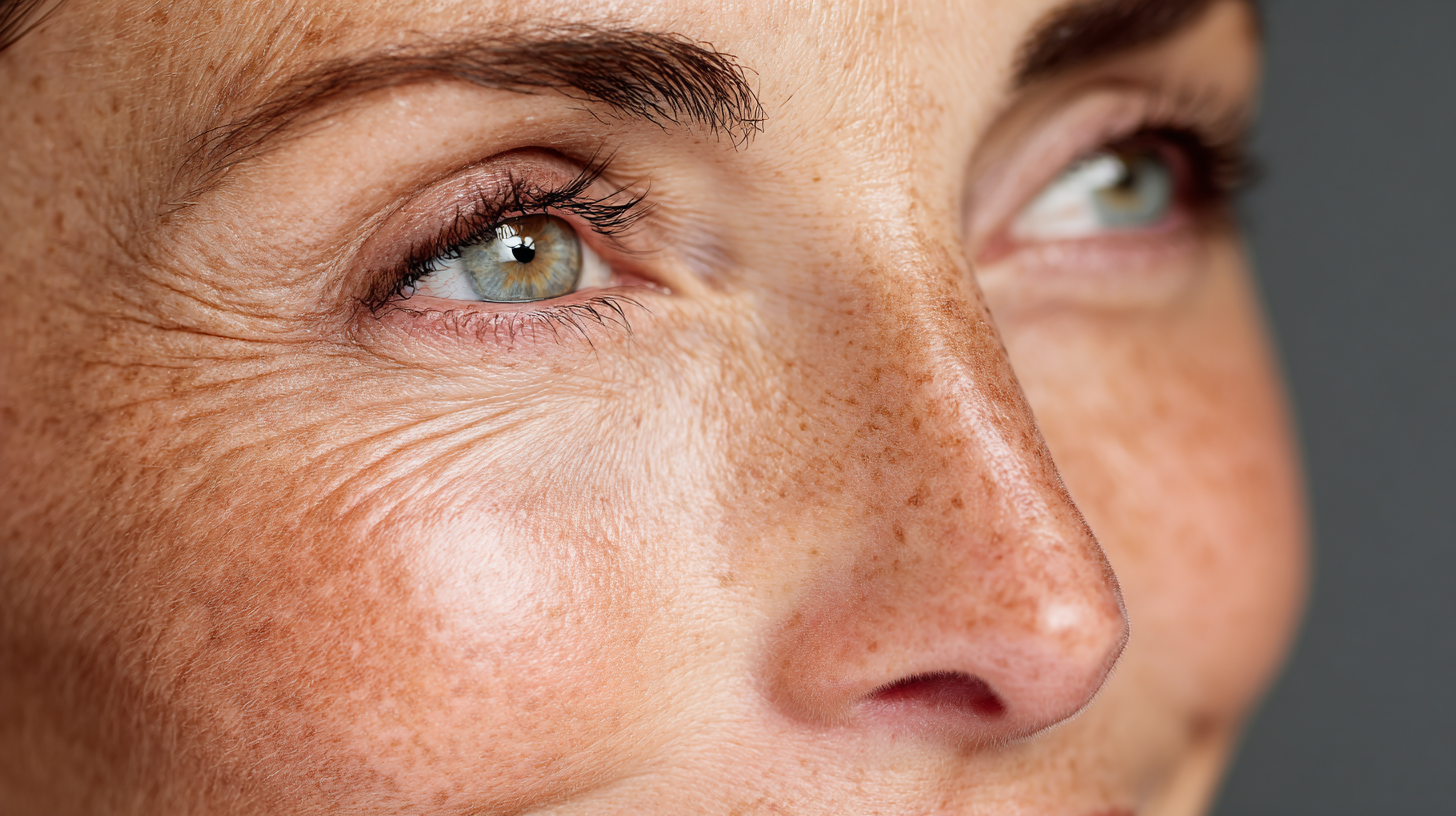
Retinol, a derivative of vitamin A, is increasingly recognized for its remarkable anti-aging benefits. According to a report by the American Academy of Dermatology, topical retinoids can enhance collagen production, which declines as we age. Studies have shown that consistent use of retinol can reduce fine lines and wrinkles by up to 30% over a period of several months. This makes retinol a staple in many skincare regimens aimed at achieving youthful and radiant skin.
In addition to its wrinkle-reducing properties, retinol also plays a significant role in improving skin texture and tone. A clinical trial published in the Journal of Cosmetic Dermatology found that retinol not only diminishes the appearance of sunspots but also promotes cell turnover, leading to fresher skin. The increased cellular renewal provided by retinol means that rough, uneven patches of skin gradually transform into a smoother, more luminous complexion. This dual action of wrinkle reduction and enhanced skin texture underlines the efficacy of retinol as a powerful ally in the quest for youthful skin.
How to Incorporate Retinol into Your Skincare Routine
 Incorporating retinol into your skincare routine can be transformative for achieving youthful and radiant skin. Start by introducing retinol slowly, especially if you have sensitive skin. Begin with a low concentration, such as 0.25% or 0.5%, and apply it once or twice a week during your evening skincare regimen. This gradual approach allows your skin to acclimate to the ingredient, minimizing potential irritation and redness.
As you build tolerance, you can increase the frequency and concentration of retinol. Apply it after cleansing and before moisturizing. It’s crucial to follow up with a hydrating serum or moisturizer to help soothe the skin and enhance its benefits. Additionally, always apply sunscreen during the day when using retinol at night, as it can make your skin more sensitive to sunlight. By following these steps, you can effectively integrate retinol into your skincare routine for maximum benefits, revealing a smoother, more radiant complexion over time.
Common Myths and Misconceptions About Retinol
When it comes to retinol, a potent derivative of vitamin A, several myths have clouded its true benefits. One common misconception is that retinol is too harsh for sensitive skin. In reality, studies have shown that with proper usage, retinol can be safely incorporated into most skincare routines, even for those with sensitive skin (American Academy of Dermatology). The key is to start with a low concentration and gradually increase frequency to allow the skin to acclimate.
Another myth is that retinol is only effective for aging skin. In fact, research indicates that retinol aids in improving skin texture and tone, making it beneficial for those dealing with acne and uneven pigmentation as well (Dermatology Journal). Incorporating retinol as part of a comprehensive skincare strategy can promote youthful radiance at any age.
Tips: Start by applying retinol once a week and monitor how your skin responds. Consider using it at night, as retinol can make your skin more sensitive to sunlight. Lastly, always follow with a broad-spectrum sunscreen during the day, as retinol can increase sun sensitivity.
The Role of Diet and Lifestyle in Enhancing Retinol Efficacy
Diet and lifestyle play a crucial role in enhancing the efficacy of Vitamin A retinol, a key ingredient for achieving youthful and radiant skin. Studies have shown that a diet rich in antioxidants, vitamins, and healthy fats can significantly boost skin health. A report by the American Academy of Dermatology highlights that foods high in Vitamin C, such as citrus fruits and leafy greens, can support collagen production, thereby promoting skin elasticity and reducing the visible signs of aging. Additionally, incorporating omega-3 fatty acids found in fish and nuts can help maintain skin barrier function, which may improve the absorption of retinol.
Moreover, lifestyle factors such as hydration, sun protection, and adequate sleep are integral to maximizing retinol's benefits. Research published in the Journal of Investigative Dermatology indicates that dehydration can lead to increased skin sensitivity, making retinol less effective. Staying properly hydrated ensures that the skin remains plump and supple, thus facilitating better penetration of retinol. Furthermore, consistent use of broad-spectrum sunscreen is essential, as UV exposure can degrade retinol and amplify the risk of skin damage. Fostering these dietary and lifestyle habits can significantly enhance the rejuvenating effects of retinol, leading to healthier and more radiant skin.
Unlocking the Secrets of Vitamin A Retinol for Youthful Skin and Radiance - The Role of Diet and Lifestyle in Enhancing Retinol Efficacy
| Aspect |
Description |
Sources |
| Vitamin A Role |
Essential for skin repair, cell turnover, and maintaining youthful skin. |
Carrots, Sweet Potatoes, Spinach |
| Retinol Efficacy |
Improved by regular use and proper skin care routines. |
Topical retinol products, serums |
| Dietary Impact |
High vitamin A intake enhances skin's response to retinol. |
Eggs, Dairy, Liver |
| Lifestyle Factors |
Hydration, sun protection, and a balanced diet bolster skin health. |
Water, Sunscreen, Fruits & Vegetables |
| Skin Benefits |
Helps reduce fine lines, wrinkles, and improves skin texture. |
Regular skincare routine |