What is Vitamin A Palmitate Benefits Uses and Sources?
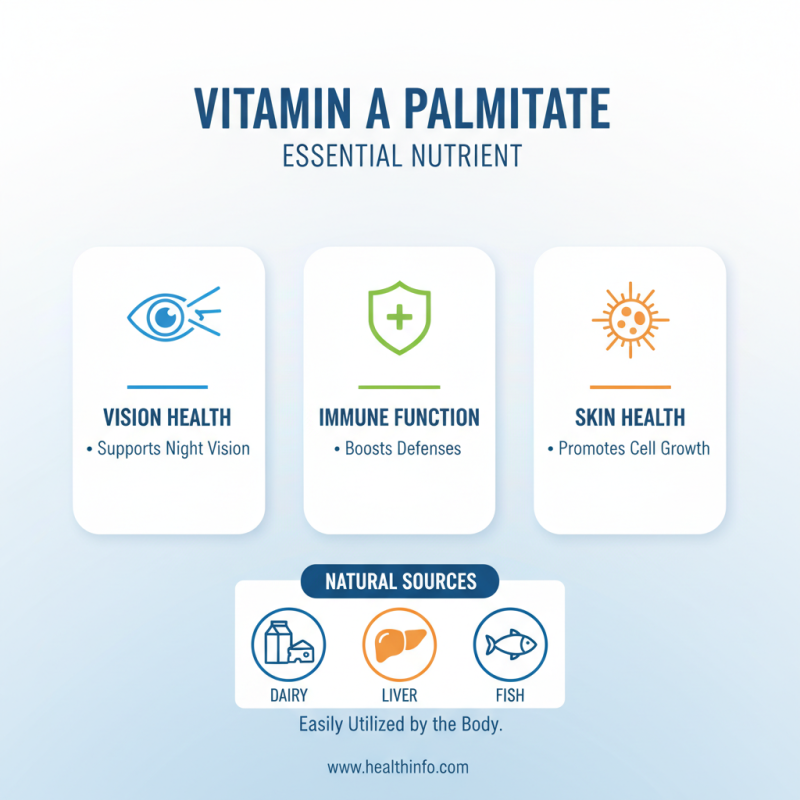
Vitamin A Palmitate is a crucial nutrient with significant health benefits. It plays an essential role in maintaining vision, supporting immune function, and promoting healthy skin. According to a report by the Food and Nutrition Board, the Recommended Dietary Allowance (RDA) for vitamin A varies by age and sex, emphasizing its importance for growth and development.
Sources of Vitamin A Palmitate include animal products such as liver, fish, and dairy, as well as fortified foods. A significant aspect is that many individuals may not receive adequate amounts from natural sources alone. Research indicates that deficiencies can lead to serious health issues, highlighting the necessity of supplements or fortified foods.
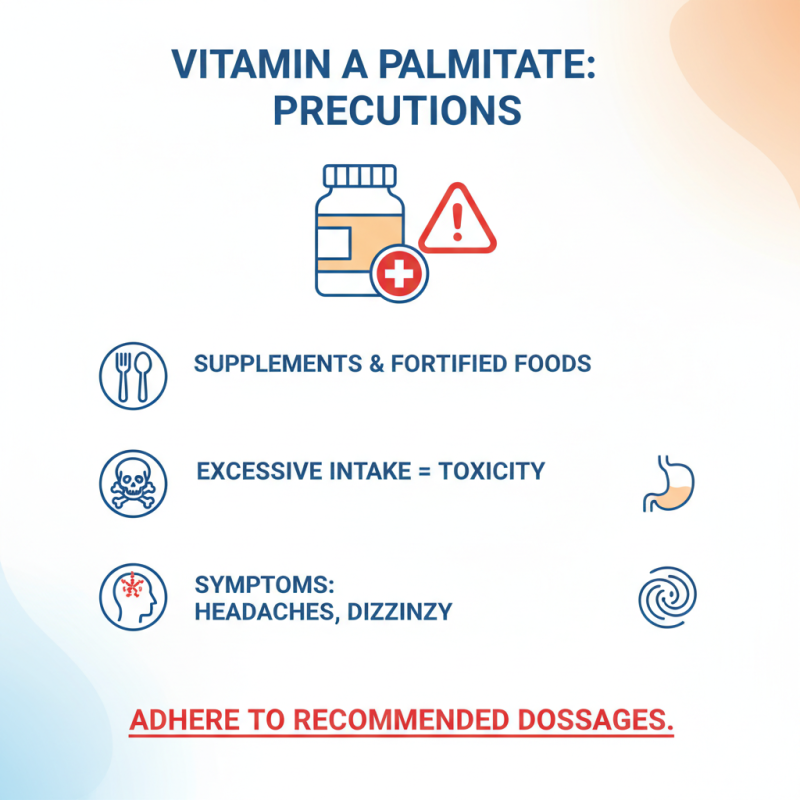
Despite its benefits, excessive intake poses risks. Overconsumption can lead to toxicity, resulting in symptoms like dizziness and blurred vision. Identifying the right balance is crucial. Overall, Vitamin A Palmitate remains vital for health maintenance, necessitating further reflection on dietary choices and lifestyle.

Understanding Vitamin A Palmitate: A Comprehensive Overview
Vitamin A palmitate is a significant compound that plays a key role in human health. It is a synthetic form of vitamin A commonly found in various health supplements and beauty products. Research indicates that vitamin A is vital for vision, immune function, and skin health. Notably, the World Health Organization reported that vitamin A deficiency is a leading cause of preventable blindness in children. This highlights the importance of ensuring adequate intake.
In addition to its critical health benefits, vitamin A palmitate is well-regarded for its role in promoting skin health. It helps in cell differentiation and growth. A study published in the Journal of Cosmetic Dermatology has shown that topical applications can enhance skin texture and reduce signs of aging. However, not everyone responds positively to it. Some individuals may experience irritation or adverse reactions. Thus, caution is advised when introducing it into a skincare routine.
Dietary sources of vitamin A palmitate include fortified foods and animal liver. Despite its availability, one must be wary of excessive intake. The Institute of Medicine states that high doses can lead to toxicity. Ongoing research is essential to better understand optimal dosage and long-term effects. This ensures that we can harness benefits while minimizing risks. Exploring various sources will warrant more attention as health trends evolve.
Key Benefits of Vitamin A Palmitate for Health and Wellbeing
Vitamin A palmitate is a retinol ester, critical for maintaining health. It plays a vital role in
vision, immune function, and skin health.
According to industry reports, a deficiency in Vitamin A can lead to serious health issues, including vision problems and immune deficiencies. A mere
100 grams of liver can offer over three times the recommended dietary allowance of Vitamin A for adults.
In the context of skin health, Vitamin A palmitate supports cell regeneration and can enhance skin complexion. Studies indicate that topical application can
reduce fine lines and acne. It’s commonly used in skincare formulations.
However, there’s a fine line; overuse may lead to skin irritation.
Sources of Vitamin A palmitate include animal products and fortified foods. Leafy greens and orange vegetables are also beneficial, though they mainly contain
beta-carotene. Balancing consumption is essential. While its benefits are notable, excessive intake can yield adverse effects.
As with any nutrient, moderation must be prioritized to avoid complications such as toxicity.
Common Uses of Vitamin A Palmitate in Nutrition and Skincare
Vitamin A Palmitate is a derivative of vitamin A, widely recognized for its versatility in both nutrition and skincare.
In nutrition, this compound plays a critical role in maintaining healthy vision,
supporting immune functions, and promoting skin health. Many people get enough Vitamin A through their diets, but supplements can be beneficial for those who need an extra boost.
In skincare, Vitamin A Palmitate is often included in creams and serums. It helps promote cell turnover, improving skin texture and tone.
This can lead to a reduction in fine lines and an overall youthful appearance.
For those with dry skin, it provides hydration and nourishment. However, be cautious with concentrations; too much can lead to irritation or dryness.
Tips: Always patch test new products before full application.
If you experience irritation, reduce usage frequency. Consider pairing with moisturizing ingredients for optimal results.
Balancing intake is essential; excessive supplementation can have side effects.
Remember, every skin type is unique, and finding what works for you can take time.
Natural Sources of Vitamin A Palmitate in Diet and Supplements
Vitamin A palmitate is a crucial nutrient found in various foods. It plays an essential role in vision, immune function, and skin health. Natural sources of vitamin A palmitate can be found in dairy products, liver, and fish. These foods provide a bioavailable form of vitamin A that the body can easily utilize.
In addition to whole foods, supplements often contain this nutrient. People who don't get enough vitamin A from their diet may benefit from them. However, proper dosage is key, as excessive intake can lead to toxicity. A balanced approach is essential for optimal health.
Tips: Incorporate foods like carrots, spinach, and sweet potatoes into your meals. These vegetables are rich in beta-carotene, which the body converts into vitamin A. When considering supplements, consult with a healthcare professional for personalized advice. Be mindful of your total vitamin A intake from all sources. Adjust your diet according to your lifestyle and needs.
Important Considerations and Precautions for Vitamin A Palmitate Use
When considering the use of vitamin A palmitate, several important precautions should be noted. This form of vitamin A is often found in supplements and fortified foods. However, excessive intake can lead to toxicity. Symptoms of toxicity include headaches, nausea, and even dizziness. It is crucial to stick to recommended dosages.
Individuals with specific health conditions should exercise caution. Pregnant women, for example, must avoid high levels of vitamin A. It can potentially harm the developing fetus. Blood tests may be necessary for those with liver issues. Regular monitoring can help prevent complications.
Overall, while vitamin A palmitate offers benefits, users must approach it carefully. Consulting with a healthcare professional is advisable before starting supplementation. Balancing intake and awareness of individual health circumstances is key. Taking these steps can help ensure a safe experience.