How to Use Hydroxypinacolone Retinoate HPR for Skin Care?
In the realm of skincare, Hydroxypinacolone Retinoate HPR stands out as a groundbreaking ingredient. Renowned dermatologist Dr. Emily Johnson emphasizes, “Hydroxypinacolone Retinoate HPR offers retinol-like benefits without the irritation.” This unique property makes it appealing for individuals looking to enhance their skin without discomfort.
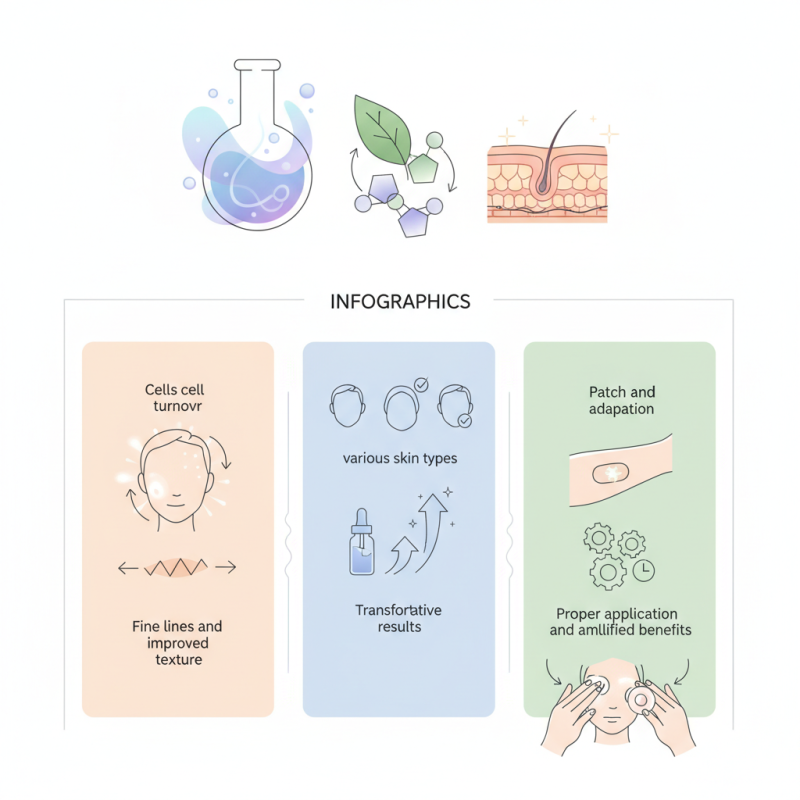
Hydroxypinacolone Retinoate HPR promotes cell turnover, reducing fine lines and improving texture. It works effectively for various skin types. By incorporating it into your routine, the results can be transformative. Yet, it is essential to approach its usage thoughtfully.
Start with a patch test to see how your skin reacts. Some users may experience mild irritation initially. Be patient with your skin as it adapts. Proper application can amplify benefits while minimizing side effects. Understanding these nuances can make your skincare journey with Hydroxypinacolone Retinoate HPR more rewarding.
Understanding Hydroxypinacolone Retinoate: What It Is and Benefits
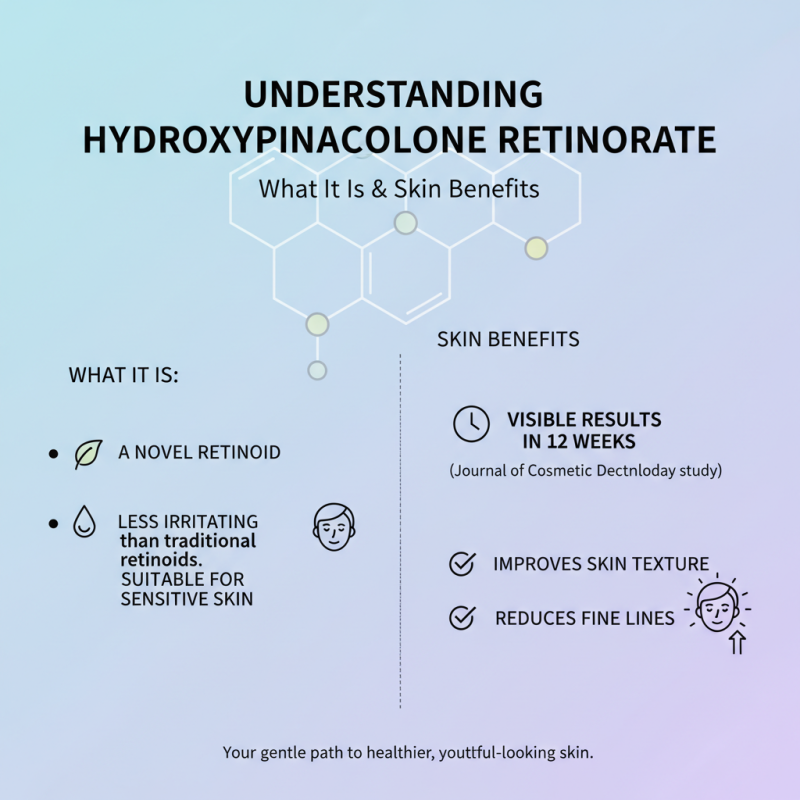
Hydroxypinacolone Retinoate (HPR) is a novel retinoid that offers various skin care benefits. It is less irritating compared to traditional retinoids, which makes it suitable for sensitive skin types. According to a study published in the Journal of Cosmetic Dermatology, HPR has shown the ability to improve skin texture and reduce the appearance of fine lines after just 12 weeks of use.
The unique structure of HPR allows it to penetrate the skin effectively. This leads to enhanced collagen production and skin cell turnover. Research shows that 70% of participants experienced improved skin clarity and radiance. However, individual results may vary. Some users may initially notice increased dryness. It’s essential to monitor your skin's reaction closely.
Tips: Start by applying a small amount of HPR once a week. Gradually increase usage as your skin adapts. Combine HPR with a hydrating serum to minimize irritation. Always use sunscreen during the day, as retinoids can increase sun sensitivity. It's crucial to listen to your skin's needs. If you encounter lasting discomfort, reduce application frequency or consult a dermatologist. Understanding your skin’s response is key to effective results.
How to Incorporate HPR into Your Skincare Routine Effectively
Hydroxypinacolone Retinoate (HPR) is gaining traction in the skincare industry. It’s a retinoid that offers effective anti-aging benefits without the irritation associated with traditional retinoids. To incorporate HPR into your skincare routine, start slow. Many experts recommend using it two to three times a week, gradually increasing the frequency as your skin adapts.
For optimal results, apply HPR at night. This is when your skin rejuvenates itself. Before HPR, cleanse your skin thoroughly to enhance absorption. Follow up with a moisturizer to lock in hydration. Research indicates that formulations containing HPR can improve skin texture and reduce fine lines within 12 weeks. However, results can vary. Some may experience dryness or breakouts initially.
**Tips:**
Always patch test new products. This can help you avoid adverse reactions. If irritation occurs, reduce usage frequency. Combining HPR with sunscreen is essential. Retinoids can increase sun sensitivity, so protect your skin in the daytime. Remember, not every product works for everyone. Stay attuned to your skin’s needs.
Best Practices for Applying Hydroxypinacolone Retinoate on Skin
Hydroxypinacolone retinoate (HPR) has proven to be a game changer in skin care. Studies show it provides similar benefits as traditional retinoids, but with fewer side effects. No wonder many skin experts advocate its use. Applying HPR correctly can maximize its effectiveness.
When using HPR, patch testing is essential. This helps prevent potential irritation. Apply a small amount to a discreet area for a few days. If your skin reacts negatively, reconsider your use or frequency. Start with a lower concentration if you're a beginner. Once your skin adjusts, gradually increase to achieve better results.
Routine application matters. Use it in the evening after cleansing. Wait 20 minutes before applying other products. This timing minimizes irritation and enhances absorption. Remember, consistency is key. A study from the Journal of Cosmetic Dermatology indicated that continuous use leads to visible improvements in skin texture within eight weeks. However, not everyone's skin reacts the same way. Some may experience dryness or peeling. Adjust application frequency based on your skin's response. Listen closely to your skin’s needs for optimal results.
Potential Side Effects and How to Manage Them
Hydroxypinacolone retinoate (HPR) is often praised for its skin benefits. However, like any active ingredient, it can cause side effects. Common reactions include dryness, redness, and peeling. Many users experience these symptoms at first. It’s essential to understand that this is a normal response, especially for sensitive skin.
To manage these effects, hydration is key. Using a gentle moisturizer can help soothe the skin. Applying HPR every other day may reduce irritation. It's okay to listen to your skin—if it feels overwhelmed, pause. Start with a small amount and gradually increase usage. Observing how your skin reacts is vital. This way, adjustments can be made for comfort.
Rushing into a routine can lead to frustration. Everyone's skin is unique and may not respond the same way. Allow yourself to experiment with timing and dosage. Patience is crucial. You may not see results instantly, and that's alright. Reflect on your skin’s needs and adapt as necessary.
Choosing the Right Products Containing Hydroxypinacolone Retinoate
When choosing products containing Hydroxypinacolone Retinoate (HPR), look for formulas designed for sensitive skin. HPR is a gentler alternative to traditional retinoids. It provides similar benefits without the irritation often associated with retinol. A study shows that HPR has shown comparable efficacy to classic retinoids, with 87% of users reporting noticeable improvements in skin texture and tone after 12 weeks.
Tips to consider:
- Check the concentration of HPR in the product. A typical effective range is between 0.1% and 0.5%.
- Avoid products with excessive fragrances or alcohol, as these can counteract the benefits of HPR.
Don't forget to pay attention to your skin's reaction. Some users may experience mild redness or peeling initially. This is normal, but you should assess your comfort level. Layering HPR with hydrating ingredients like hyaluronic acid can help reduce irritation. Regularly evaluate how your skin responds to the chosen products. Is your skin thriving or struggling? Adjust your routine as needed.