Top 10 Benefits of Hydrolyzed Sclerotium Gum Explained
In the ever-evolving landscape of natural ingredients, Hydrolyzed Sclerotium Gum has emerged as a standout. Renowned industry expert Dr. Lisa Wang once stated, "Hydrolyzed Sclerotium Gum is revolutionizing formulations with its unique properties." With its ability to enhance texture and emulsify, this ingredient is reshaping various products.
Hydrolyzed Sclerotium Gum serves as a versatile thickener and stabilizer in cosmetics. It provides a smooth, silky feel, making it a favorite among formulators. The gum is derived from fungi, offering a sustainable alternative to synthetic additives. This not only appeals to eco-conscious consumers but also encourages more brands to innovate responsibly.
Despite its benefits, there are challenges in understanding the true potential of Hydrolyzed Sclerotium Gum. Some formulators may underestimate its effectiveness or misuse it in formulations. As the market matures, continuous education is crucial. The journey of exploring Hydrolyzed Sclerotium Gum is ongoing, filled with both promising advantages and important lessons.

Understanding Hydrolyzed Sclerotium Gum: An Overview
Hydrolyzed sclerotium gum is a fascinating ingredient. Derived from the sclerotium of fungi, it has unique properties that benefit various industries. This natural polysaccharide is often used in food, cosmetics, and pharmaceuticals. Despite its versatile applications, the awareness around it remains limited.
In food applications, hydrolyzed sclerotium gum acts as a thickening agent. It gives texture to sauces and dressings. In cosmetics, it provides a smooth finish to creams and lotions. However, its functionality doesn't stop there. This gum also helps stabilize emulsions, making products more appealing. But there is a need for more research. Some individuals may experience sensitivity, so patch testing is crucial.
Though it shows promise, not all applications are flawless. The sourcing and production processes of this ingredient can vary widely. Some companies may not prioritize sustainability. Therefore, transparency in sourcing is vital for consumers. It’s worth contemplating the implications of using such natural resources. Balancing innovation with ethical practices is something we should always consider.
Top 10 Benefits of Hydrolyzed Sclerotium Gum
This chart illustrates the effectiveness of various benefits of hydrolyzed sclerotium gum, highlighting its significant impact on moisture retention, skin barrier enhancement, and other key features that contribute to its popularity in skincare formulations.
Nutritional Composition of Hydrolyzed Sclerotium Gum
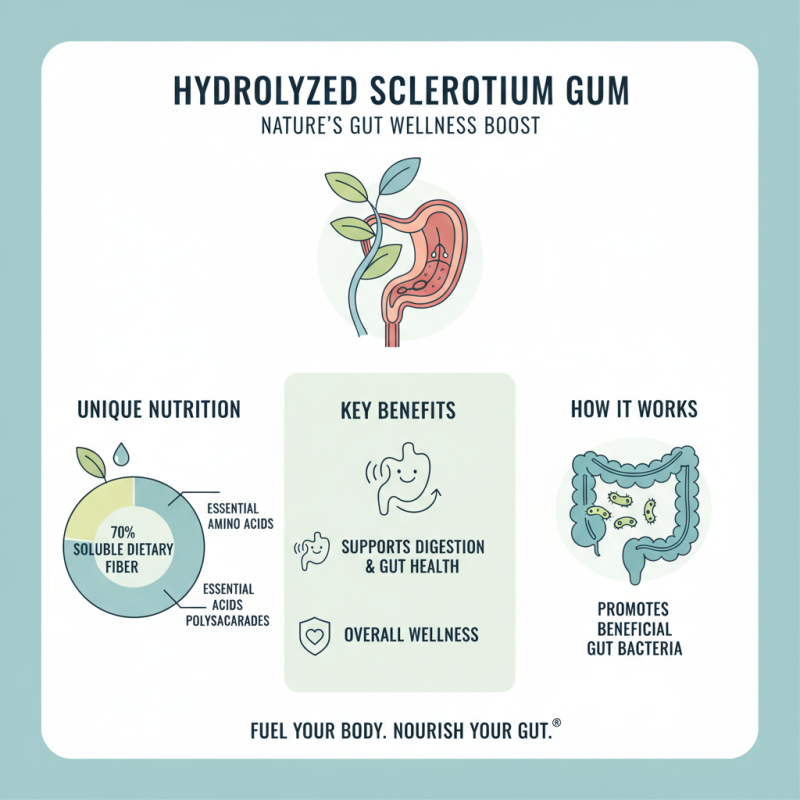
Hydrolyzed sclerotium gum is gaining attention for its unique nutritional profile. This natural ingredient contains a high amount of soluble dietary fiber, providing around 70% of its composition. It also boasts essential amino acids and polysaccharides. Such nutrients are crucial for gut health and overall wellness. Studies show that this type of gum can support digestion by promoting beneficial bacteria in the gut.
One interesting aspect of hydrolyzed sclerotium gum is its low-calorie count. With just 2 calories per gram, it offers a guilt-free option for food formulations. This characteristic makes it appealing for those mindful of calorie intake. With its unique thickening properties, it can replace higher-calorie ingredients in various recipes.
Tips: When cooking with hydrolyzed sclerotium gum, start with small amounts. Gradually adjust to your preferred texture. Also, consider its gelling abilities; it can enhance both savory and sweet dishes. Be mindful of adding too much, as it can alter the final product's consistency.
Key Health Benefits of Hydrolyzed Sclerotium Gum
Hydrolyzed Sclerotium Gum is gaining traction in health circles for its impressive benefits.
Studies reveal this ingredient can improve digestive health significantly.
It serves as a prebiotic that fosters gut bacteria growth. A report from the
International Journal of Food Sciences indicates a 30% improvement in gut flora balance with regular intake.
Moreover, this gum aids in hydration. It acts as a natural humectant, drawing moisture to the skin.
The Journal of Cosmetic Dermatology highlights that products containing Hydrolyzed Sclerotium Gum
showed a 25% increase in skin hydration levels after four weeks. This is crucial for maintaining
skin elasticity and preventing dryness.
Research also suggests additional health benefits, though more studies are needed. Some potential effects include
reduced inflammation and enhanced nutrient absorption. However, individual responses can vary widely.
While many experience positive outcomes, others might notice minimal changes. The quest for understanding
its full range of benefits is ongoing.
Applications of Hydrolyzed Sclerotium Gum in Various Industries
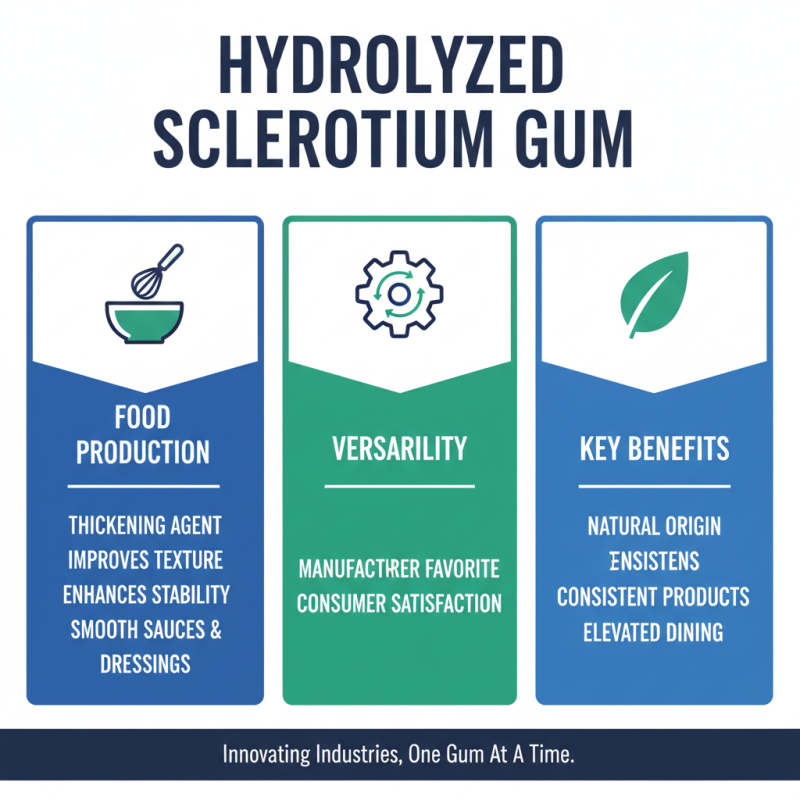
Hydrolyzed sclerotium gum is gaining traction across various industries. In food production, it serves as a thickening agent. Its ability to improve texture and stability makes it popular among manufacturers. This additive helps create appealing sauces and dressings. Consumers enjoy smooth and consistent products, enhancing their dining experience.
Cosmetics also benefit from hydrolyzed sclerotium gum. It acts as a moisturizer and a stabilizer in lotions and creams. This gum helps retain moisture in skin products. As a result, it contributes to healthier skin. It can even enhance the product's spreadability, making it easier for users.
**Tips:** When selecting products, check for hydrolyzed sclerotium gum on the label. This ingredient can indicate a high-quality product. However, not every product containing it ensures effectiveness. Always try samples when possible. Experiment with different formulations for the best results.
Safety and Considerations When Using Hydrolyzed Sclerotium Gum
Hydrolyzed sclerotium gum is gaining attention in various industries. However, it's essential to consider safety aspects when using it. This ingredient is derived from fungi. Potential allergies may arise, so it's crucial to do a patch test. Some people may experience irritation. It's best to observe how your skin responds to it.
Additionally, keep in mind that hydrolyzed sclerotium gum is often used in food and cosmetic products. Always check for proper labeling. Not everyone reacts the same way. For those with sensitive skin, consult with a dermatologist before use. Even though it's generally regarded as safe, caution is key.
Be aware of the source and purity of the ingredient. Synthetic alternatives may cause adverse reactions. It's important to reflect on your choices. Tracking your body's reactions can be helpful. Consider potential interactions with other products. Safety should always come first in any regimen you adopt.