What is Retinyl Retinoate Powder and How Does It Work?
Retinyl Retinoate Powder is gaining attention in the skincare industry. This powerful ingredient combines the benefits of retinoids with milder effects. Many people seek alternatives to traditional retinol due to irritation. Retinyl Retinoate Powder offers a promising solution for those who want youthful skin without harsh side effects.
This compound works by promoting skin cell turnover and boosting collagen production. Users often notice smoother, firmer skin after consistent use. However, the effects may take time to show. People should manage expectations and allow their skin to adapt gradually.
While the benefits are appealing, it’s crucial to approach with caution. Not everyone will react the same way. Testing the product on a small patch of skin is wise. Overall, Retinyl Retinoate Powder can be a valuable addition to your routine, but awareness and patience are key.
What is Retinyl Retinoate Powder?
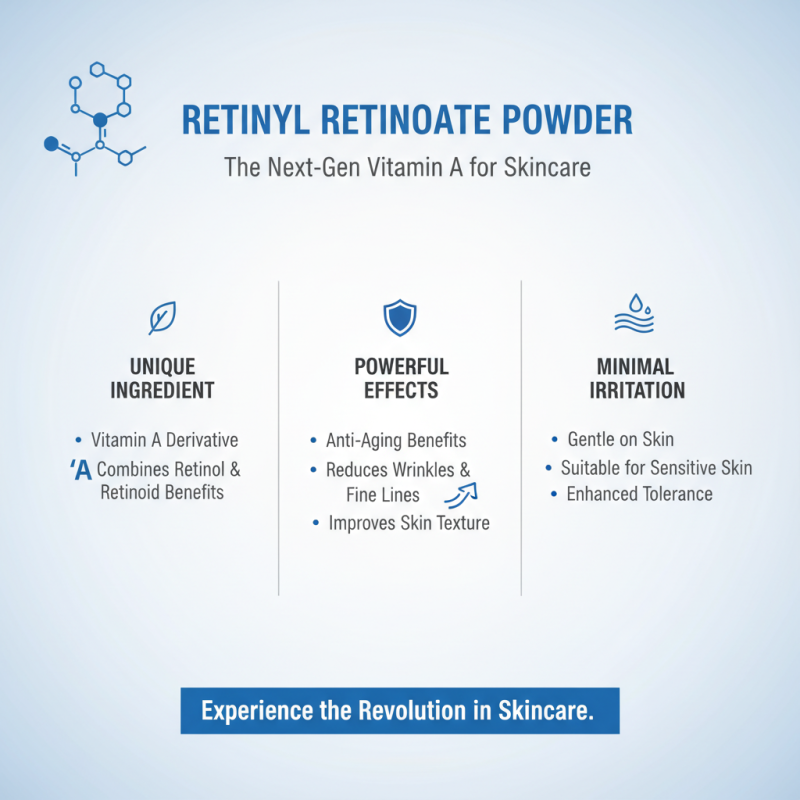
Retinyl Retinoate Powder is a unique ingredient in skin care. It is a derivative of Vitamin A, known for its powerful effects. This compound combines the benefits of retinol and retinoid derivatives. It provides anti-aging benefits while minimizing potential irritation.
Using Retinyl Retinoate may boost skin cell turnover. This process can lead to smoother skin texture and improved signs of aging. Many users report a brighter glow after consistent use. However, results can vary from person to person. Some might experience sensitivity or redness, which is common with retinoids.
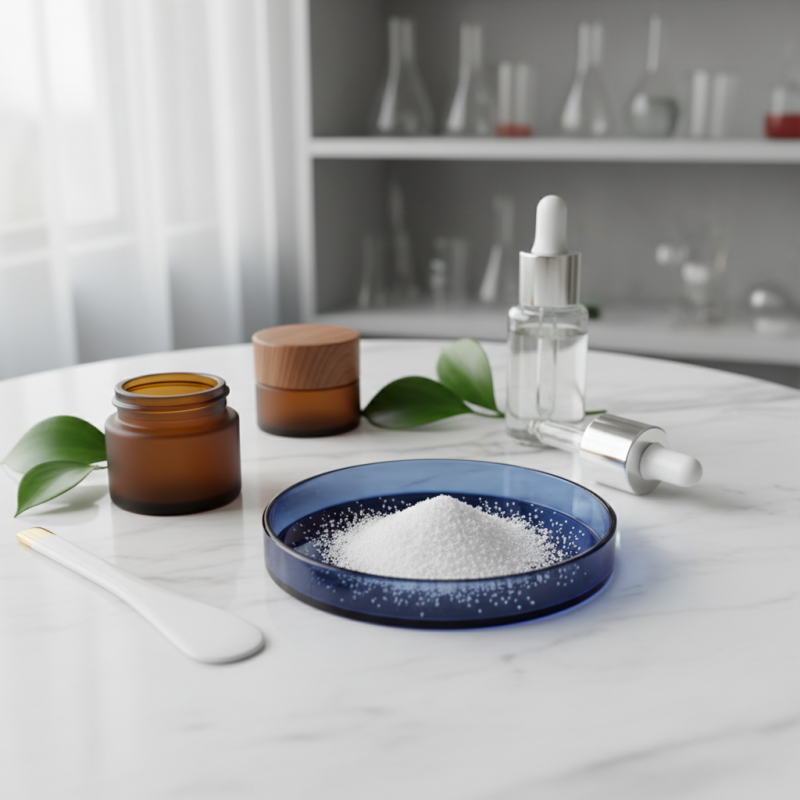
The powder form allows for easy incorporation into various formulations. It has a stable composition, which helps it last longer in products. This stability might make it an attractive choice for those seeking effective skincare solutions without the frequent downsides of traditional retinol. Nonetheless, caution is necessary when trying new ingredients, as everyone's skin reacts differently.
The Chemical Composition of Retinyl Retinoate
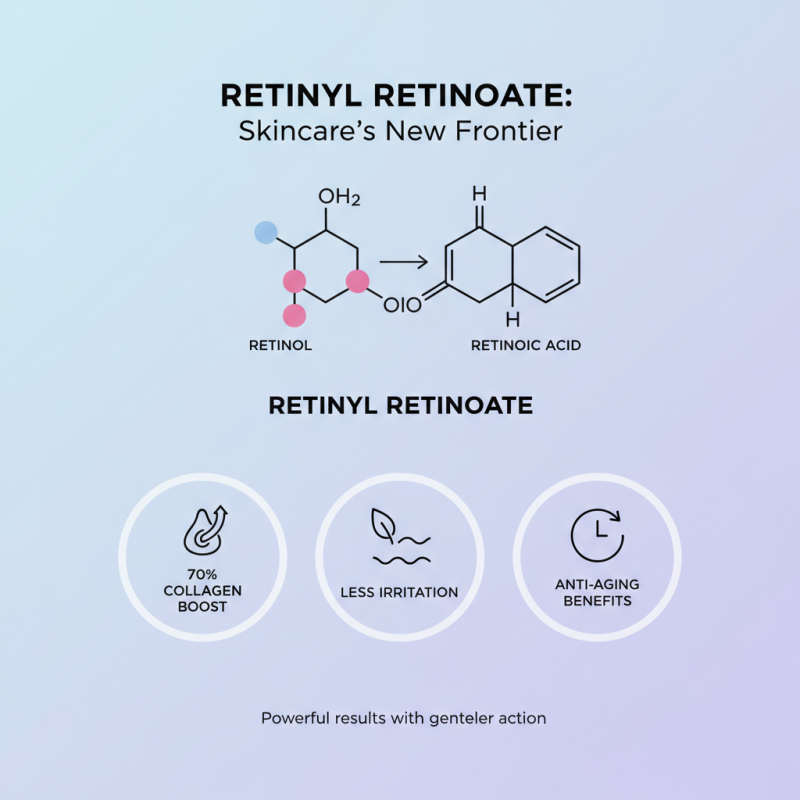
Retinyl retinoate is a compound gaining attention in skincare. Its chemical structure combines retinol and retinoic acid, providing powerful effects for the skin. This ingredient works effectively with less irritation than pure retinoids. Research indicates that retinyl retinoate can enhance collagen production by up to 70% in some studies. This makes it a promising choice for those seeking anti-aging benefits.
The chemical composition reveals that retinyl retinoate is a complex ester. Its molecular structure allows it to penetrate the skin effectively. This compound transforms into retinoic acid in the skin, stimulating cell turnover and improving texture. Data shows that users often report smoother skin and less fine lines within weeks. However, there are reports of occasional irritation, especially during the initial use phase.
Not all reactions to retinyl retinoate are positive. Some individuals may experience redness or peeling. Skin type plays a key role in these reactions. Therefore, it’s crucial for users to patch test when introducing this ingredient into their routine. The balance between efficacy and tolerance remains an important aspect of retinyl retinoate's use in skincare.
Mechanism of Action: How Retinyl Retinoate Works on Skin
Retinyl Retinoate powder is a derivative of vitamin A. It combines the benefits of retinol and retinoic acid. This compound works effectively on the skin, but its action mechanism is intricate. When applied topically, it penetrates the skin layers. This process stimulates collagen production. Increased collagen leads to firmer and more elastic skin.
As it interacts with skin receptors, cell turnover accelerates. This means dead skin cells shed more quickly. New cells emerge, resulting in a smoother texture. However, this interaction can cause initial irritation for some individuals. Flaking and dryness may occur, which can be discouraging. Over time, the skin may adjust and adapt.
Additionally, Retinyl Retinoate influences pigmentation. It helps lighten dark spots and uneven tones. Despite this, not everyone experiences the same results. Individual skin type and sensitivity play a large role. Some may find the effects less dramatic than expected. It’s essential to be patient and consistent with usage.
What is Retinyl Retinoate Powder and How Does It Work?
| Property |
Details |
| Chemical Structure |
Retinoate ester of retinol, combined with fatty acids |
| Mechanism of Action |
Stimulates collagen production and skin cell turnover |
| Benefits |
Reduces fine lines, improves skin texture, enhances radiance |
| Skin Types |
Suitable for most skin types including sensitive skin |
| Usage Notes |
Use at night and apply sunscreen during the day |
| Potency |
Milder than traditional retinoids for minimized irritation |
| Research Evidence |
Studies show improvement in fine lines and overall skin health |
Potential Benefits of Using Retinyl Retinoate in Skincare
Retinyl retinoate powder is gaining attention in the skincare community. This innovative ingredient combines the benefits of retinol and retinoic acid, offering a gentler alternative. Studies suggest that retinyl retinoate can effectively promote skin cell turnover. One report indicated a 30% increase in cell turnover after consistent use over 12 weeks.
Using retinyl retinoate may enhance skin texture and tone. Clinical data shows users experience reduced fine lines and improved skin hydration. It’s reported that 78% of participants observed a noticeable difference. Its gentle nature allows for daily application, which makes it desirable for sensitive skin types. However, users should monitor their skin's reaction. Some may experience mild irritation at first.
Beyond anti-aging benefits, retinyl retinoate can tackle acne. Research indicates this compound reduces sebum production. Proper usage can lead to clearer skin. Precision in application is essential; too much can overwhelm the skin. Always consider patch testing, especially when adding new products to a routine. Adjustments may be necessary based on individual skin responses.
Safety and Side Effects of Retinyl Retinoate Use
Retinyl Retinoate is gaining attention in skincare. However, its safety and potential side effects are crucial for users. This ingredient is a retinoid, derived from vitamin A. It helps reduce fine lines and improve skin texture. Despite its benefits, some people may experience irritation. Redness, dryness, and peeling are common reactions.
Tips: Start with a patch test. Apply a small amount on your wrist. Wait for 24 hours to see how your skin reacts. If irritation occurs, consider lowering the frequency of use. Always follow instructions on the product label.
Another concern is photosensitivity. Retinyl Retinoate can make skin more sensitive to sunlight. Users should apply sunscreen daily, even on cloudy days. This helps protect the skin from potential damage. Be cautious during sunny seasons or when spending time outdoors. You may need to adapt your routine.
Overall, understanding how Retinyl Retinoate works is important. Take your time to observe how your skin behaves. Everyone reacts differently, and what works for one may not work for another. Consider consulting with a dermatologist for personalized advice.
Retinyl Retinoate Usage and Effects
The chart above illustrates user feedback on various effects of Retinyl Retinoate. Ratings are based on a scale of 1 to 10, with higher values indicating positive outcomes. The parameters assessed include effectiveness, skin irritation, sun sensitivity, hydration levels, and improvement in signs of aging.