What is Retinaldehyde Powder and How Does It Benefit Skin?
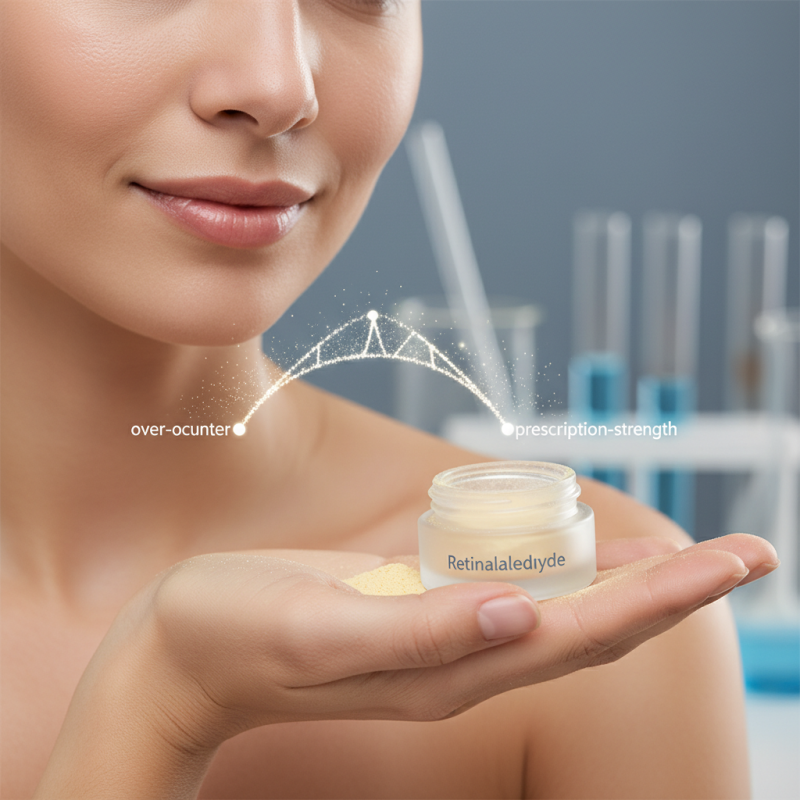
Retinaldehyde Powder is gaining attention in the skincare industry. Leading expert Dr. Jane Mitchell, a renowned dermatologist, states, "Retinaldehyde is a game-changer for skin rejuvenation." This ingredient bridges the gap between over-the-counter treatments and prescription-strength products.
The power of Retinaldehyde Powder lies in its ability to convert into retinoic acid within the skin. This transformation enhances its effectiveness in combating signs of aging, minimizing fine lines and improving texture. Users have reported smoother, brighter skin within weeks of use.
However, not everyone experiences immediate results. Some may face irritation or sensitivity. It’s crucial to patch test and introduce Retinaldehyde Powder gradually. This process allows your skin to adjust. Understanding your skin's unique response is essential for optimal benefits.
What is Retinaldehyde Powder?
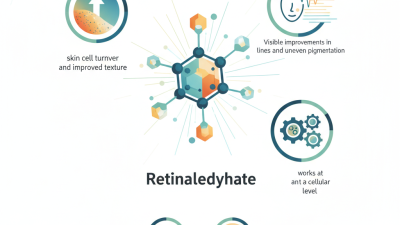
Retinaldehyde powder is a derivative of vitamin A, known for its potent skin benefits. This compound plays a crucial role in skin cell turnover. According to a study published in the Journal of Cosmetic Dermatology, retinaldehyde can reduce fine lines and improve overall skin texture.
When applied topically, retinaldehyde converts into retinoic acid in the skin. This conversion is less irritating than other retinoids. A report by the American Academy of Dermatology suggests that retinaldehyde can be effective at lower concentrations. The report states that it may cause fewer side effects compared to traditional retinoids, making it suitable for sensitive skin types.
Nonetheless, using retinaldehyde requires careful consideration. Overuse can lead to dryness or peeling. Finding the right balance is essential. Skin tolerance can vary significantly among individuals. Listening to your skin’s reactions is vital. Gradual introduction helps prevent adverse effects while reaping the benefits of this powerful ingredient.
The Chemical Composition of Retinaldehyde Powder
Retinaldehyde powder is a derivative of vitamin A. This compound plays a crucial role in skin health. Its chemical structure includes an aldehyde group and a polyene chain. These components make it effective for skin repair.
The key benefits stem from its ability to convert into retinoic acid. Retinoic acid promotes cell turnover and increases collagen production. This process can enhance skin texture and minimize fine lines. The powder is often praised for being less irritating than some other retinoids.
However, using retinaldehyde isn't perfect. Some users may experience initial redness or dryness. It's important to introduce it gradually into a skincare routine. Balancing its potency with other ingredients is essential too. Understanding how retinaldehyde interacts with your skin can lead to better results.
How Retinaldehyde Powder Works on Skin Cells
Retinaldehyde powder is a powerful ingredient that can profoundly affect skin cells. It works as a potent precursor to retinoic acid, the active form of Vitamin A. Studies show that retinaldehyde directly stimulates skin cells to renew and repair themselves. This action boosts collagen production and enhances skin texture. According to a report by the American Academy of Dermatology, regular use of retinaldehyde can lead to significant improvements in skin elasticity and tone over time.
The mechanism behind retinaldehyde's effectiveness lies in its ability to penetrate the skin barrier. Once absorbed, it converts to retinoic acid, allowing it to promote cellular turnover. This encourages the skin to shed dead cells and generate new ones. Researchers found that incorporating retinaldehyde can reduce photoaging effects by up to 40%. However, not all users experience the same results; some may encounter irritation, highlighting the need for a patch test before regular application.
The journey of using retinaldehyde is not without its challenges. Some individuals may notice dryness or redness in the initial weeks. Adjusting frequency and dosage can help alleviate these side effects. Balancing the benefits and drawbacks is essential for achieving desired results, and consulting with a skincare professional can guide users in navigating this process.
Benefits of Retinaldehyde Powder for Skin Health
Retinaldehyde powder is a powerful skincare ingredient. It is a derivative of vitamin A. This ingredient offers numerous benefits for skin health.
One significant advantage is its ability to stimulate collagen production. Collagen is essential for maintaining skin elasticity. With more collagen, skin appears firmer and younger. Retinaldehyde is also known to speed up cell turnover. This helps to reduce fine lines and improve skin texture over time.
Moreover, retinaldehyde has anti-inflammatory properties. It calms irritated skin and reduces redness. This makes it useful for individuals with sensitive or acne-prone skin. However, some users may experience mild irritation initially. It's crucial to start with lower concentrations. This allows the skin to adjust gradually. Monitoring skin reactions is important. Finding the right balance can be a process.
Potential Side Effects and Precautions for Use
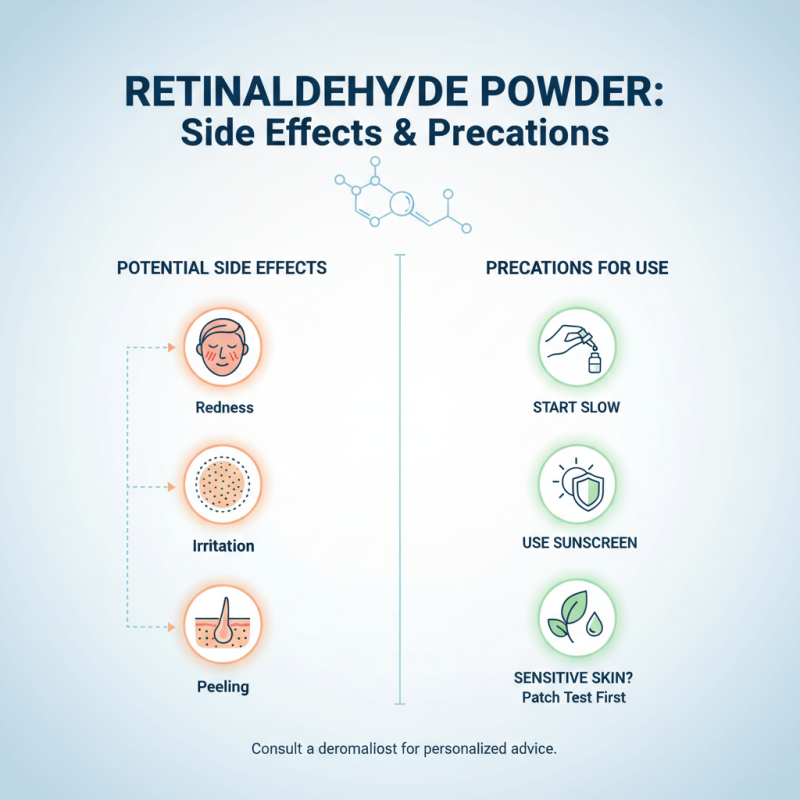
Retinaldehyde powder is gaining popularity in skincare. It is a vitamin A derivative that can rejuvenate the skin. However, like any active ingredient, it may come with potential side effects. Common reactions include redness, irritation, and peeling. These effects often arise from overuse or sensitive skin.
Starting with a lower concentration is essential. This gradual approach helps the skin adjust. If you experience significant irritation, discontinue use. Patch testing is advisable. Apply a small amount on your wrist before broad application. Observing your skin's reaction can save you from adverse effects.
Hydration is crucial when using retinaldehyde. This ingredient can cause dryness. Pair it with a good moisturizer to balance its effects. Over time, your skin may adapt, but initial discomfort should not be ignored. Always listen to your skin and adjust usage accordingly.