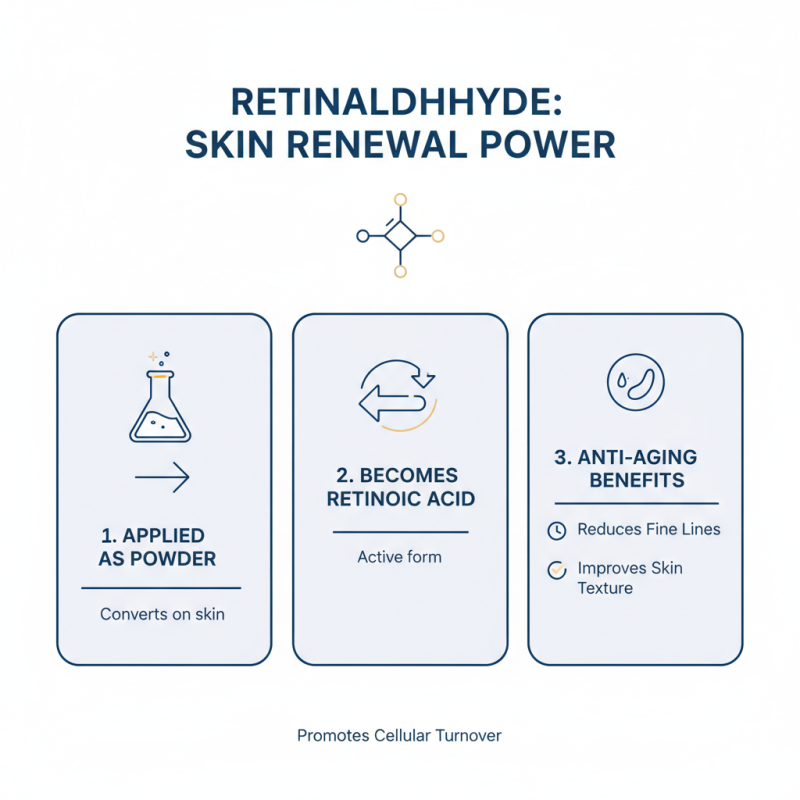
What is Retinaldehyde Powder and How Does It Work?
Retinaldehyde Powder is gaining attention in the skincare industry. Experts believe it has significant potential. Dr. Emily R. Forsyth, a renowned dermatologist, states, “Retinaldehyde Powder offers a unique pathway to skin renewal.” This substance is a derivative of vitamin A, known for its transformative effects.
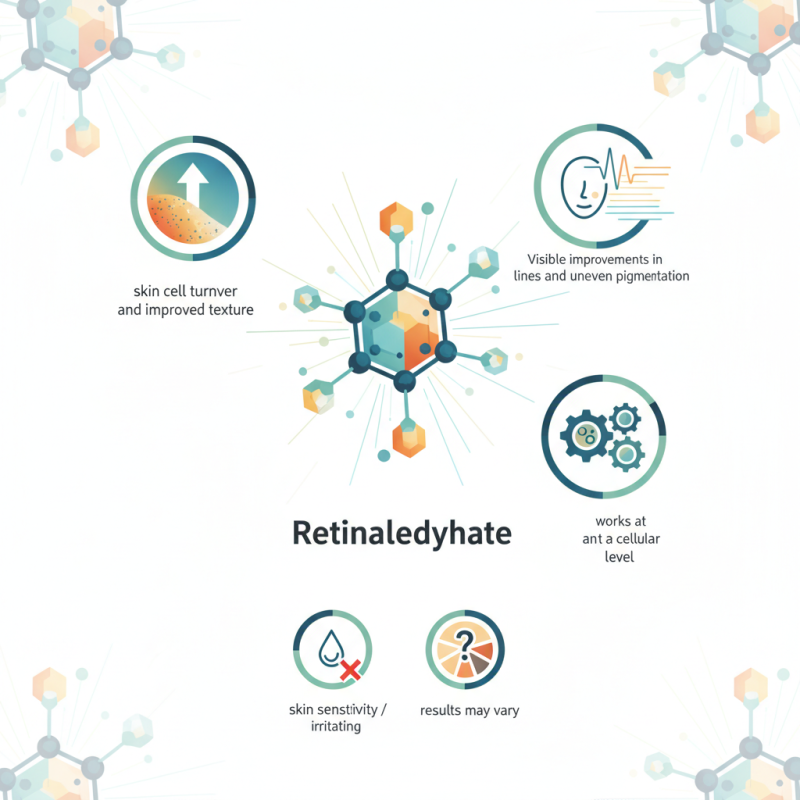
The science behind Retinaldehyde Powder is intricate yet fascinating. It works at a cellular level, promoting skin cell turnover and improving texture. Users often report visible improvements in fine lines and uneven pigmentation. It is important to note that results may vary.
Despite its promising benefits, some skepticism remains. Not everyone may experience the same effects. Skin sensitivity is a potential concern. Some users might find the product irritating. A thoughtful approach to incorporating Retinaldehyde Powder is essential for successful outcomes.
What is Retinaldehyde Powder?
Retinaldehyde powder is a significant player in skincare. It's a derivative of vitamin A, bridging the gap between retinol and retinoic acid. This unique powder helps enhance skin texture and tone. It promotes cell turnover, revealing brighter skin. Many individuals seek a solution for aging and dull skin. Retinaldehyde can be a beneficial option.
Tips: When starting with retinaldehyde powder, begin slowly. Your skin may need time to adjust. Apply it once or twice a week and observe reactions. It’s important to avoid applying excessive product, as it can lead to irritation. Track changes in your skin over time.
Incorporating retinaldehyde into your routine may provoke mixed feelings. Some see improvement, while others notice sensitivity. It’s crucial to listen to your skin. If discomfort arises, reduce usage. Remember, skincare isn’t one-size-fits-all. Regularly reassess how your skin responds. Adjust as necessary for the best results.
Retinaldehyde Powder Efficacy Over Time
The Chemical Structure of Retinaldehyde Powder
Retinaldehyde powder is a valuable compound in skincare. Understanding its chemical structure reveals why it’s effective. Retinaldehyde, a form of vitamin A, consists of a conjugated carbon chain with an aldehyde group. This unique structure helps in the conversion to retinoic acid, the active form used by our skin cells.
Research indicates that retinaldehyde contributes to collagen synthesis. According to a study from the Journal of Dermatological Science, this compound promotes skin renewal and improves texture. Its molecular configuration allows deeper penetration into the skin.
Tips: Start by using a low concentration. This reduces the chance of irritation. Monitor your skin’s response closely. Always use sunscreen during the day, as retinaldehyde can increase sun sensitivity. Be patient; results take time. Acknowledging that skin types vary is essential. Adjust your usage based on how your skin reacts. Regular application is key to seeing improvements.
How Retinaldehyde Powder Works on Skin
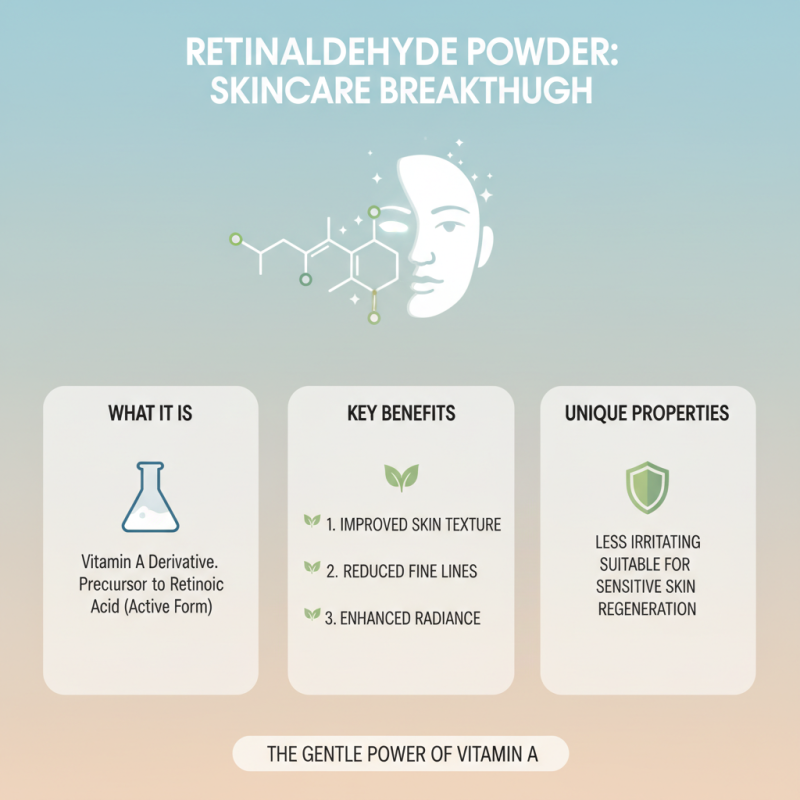
Retinaldehyde powder is gaining attention in the skincare industry for its unique properties. It is a derivative of vitamin A, known for its effectiveness in skin regeneration. Studies show retinaldehyde can improve skin texture, reduce fine lines, and enhance overall radiance. Its effectiveness lies in its ability to convert into retinoic acid, the active form of vitamin A. This process is less irritating than retinol, making it suitable for sensitive skin.
When retinaldehyde is applied, it penetrates deep into the dermis. Here, it promotes collagen production and cell turnover. Research indicates that consistent use can boost collagen levels by approximately 30% over 12 weeks. This leads to firmer and smoother skin. Additionally, it helps in fading dark spots caused by sun exposure. The benefit of retinaldehyde is its dual action: addressing both premature aging and hyperpigmentation.
**Tips:** Start with a patch test to ensure your skin tolerates retinaldehyde. Use it in the evening, as the product can increase photosensitivity. Gradually incorporate it into your routine to avoid potential irritation. Remember, listen to your skin’s needs for the best results.
Safety and Usage Guidelines for Retinaldehyde Powder
Retinaldehyde powder is gaining attention for its impressive skincare benefits. This ingredient is often celebrated for its ability to improve skin texture and reduce the appearance of fine lines. However, with great benefits come important safety guidelines. Users should always perform a patch test before applying it to larger areas. This ensures no adverse reactions occur due to individual sensitivities.
When incorporating retinaldehyde powder into a skincare routine, gradual introduction is key. Starting with a lower concentration helps the skin adjust. Overuse can lead to irritation, redness, or peeling. It's wise to apply it in the evening and use sunscreen during the day. This protects the skin from potential sensitivity issues related to UV exposure.
Consulting a dermatologist can further enhance safety. They can provide personalized advice based on individual skin types and conditions. Remember, even with its promising effects, retinaldehyde powder isn't suitable for everyone. Taking these precautions can help individuals reflect on their skincare journey and choose effective, safe products.
What is Retinaldehyde Powder and How Does It Work? - Safety and Usage Guidelines for Retinaldehyde Powder
| Aspect |
Details |
| Chemical Name |
Retinaldehyde |
| Molecular Formula |
C20H28O |
| Primary Use |
Skincare, Anti-aging |
| Mechanism of Action |
Stimulates collagen production and cell turnover. |
| Formulation Types |
Creams, Serums, Powders |
| Recommended Concentration |
0.1% - 1% |
| Potential Side Effects |
Irritation, redness, peeling |
| Usage Guidelines |
Use in the evening, apply sunscreen during the day. |
| Storage Conditions |
Store in a cool, dark place. |