What is Natural Vitamin E? Benefits, Sources, and Uses Explained
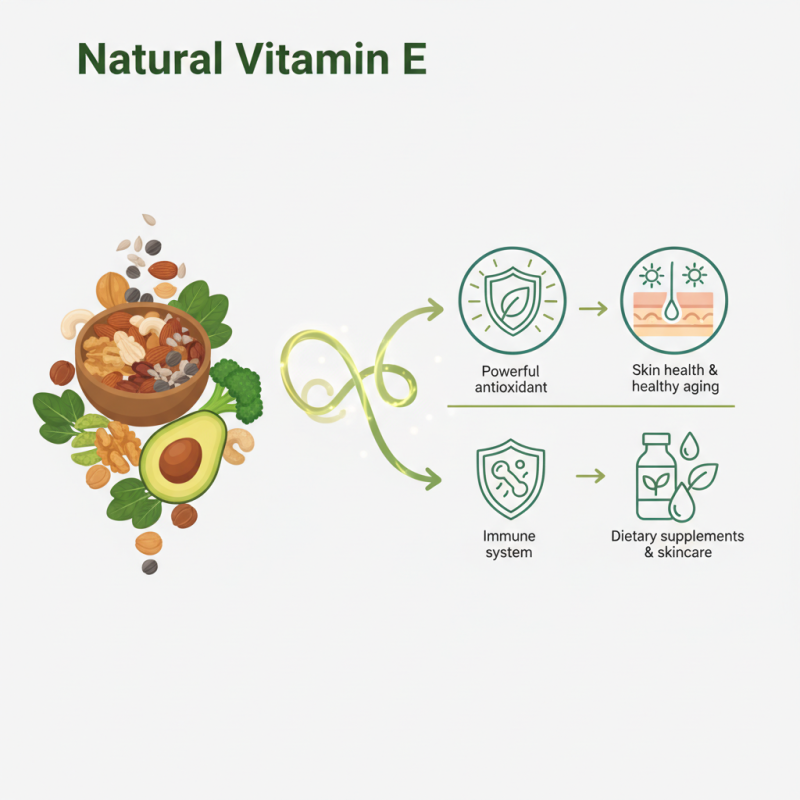
Natural Vitamin E is a powerful antioxidant that plays a vital role in maintaining overall health and well-being. This essential nutrient is not only crucial for skin health, but it also supports the immune system and promotes healthy skin aging. Unlike synthetic versions, Natural Vitamin E is derived from whole food sources, making it a preferred choice for those seeking the most beneficial forms of this nutrient.
In this article, we will explore the numerous benefits of Natural Vitamin E, including its ability to combat oxidative stress and its role in reducing inflammation. We will also delve into the various food sources where this valuable vitamin can be found, such as nuts, seeds, and green leafy vegetables. Furthermore, we will discuss practical applications and uses of Natural Vitamin E, highlighting its versatility in both dietary supplements and skincare products. Understanding the properties and benefits of Natural Vitamin E can empower individuals to make informed choices for their health and wellness.
What is Natural Vitamin E and How Does It Differ from Synthetic Forms?
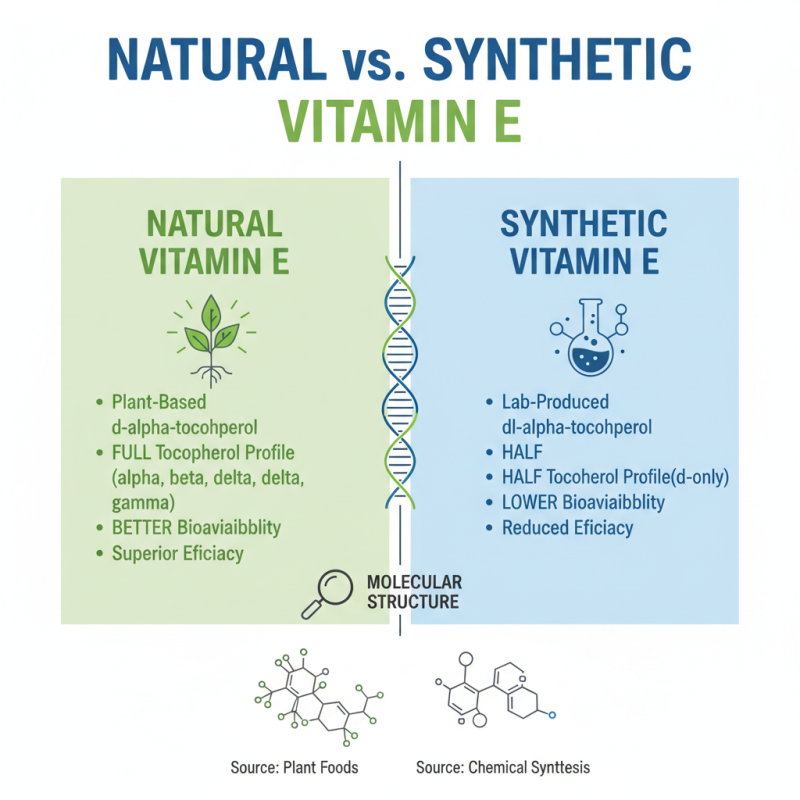
Natural Vitamin E refers to a group of compounds known as tocopherols and tocotrienols, which are derived from plant sources and are essential for various bodily functions. One of the main differences between natural and synthetic Vitamin E lies in their molecular structure. Natural Vitamin E is recognized as d-alpha-tocopherol and contains a complete profile of tocopherol isomers, while synthetic Vitamin E, often labeled as dl-alpha-tocopherol, is a lab-produced version that contains only half of the isomers present in the natural form. This structural difference can affect the bioavailability and efficacy of Vitamin E in the body.
The benefits of natural Vitamin E extend beyond basic nutrition. It acts as a powerful antioxidant, protecting cells from oxidative damage and supporting immune function. Natural sources of Vitamin E include nuts, seeds, green leafy vegetables, and certain oils, making it relatively easy to incorporate into a healthy diet. Research suggests that the body may utilize natural Vitamin E more effectively than its synthetic counterpart, highlighting the importance of obtaining this nutrient from dietary sources rather than supplements whenever possible. This difference in absorption and utilization is crucial for individuals looking to maximize the health benefits associated with Vitamin E.
Key Health Benefits of Natural Vitamin E for Overall Wellness
Natural Vitamin E, primarily known for its potent antioxidant properties, plays a crucial role in promoting overall wellness. According to the National Institutes of Health (NIH), vitamin E is essential for maintaining healthy skin, eyes, and immune function. Research indicates that natural forms of vitamin E are more bioavailable and effective than synthetic counterparts, leading to enhanced absorption and utilization in the body. In addition, a study published in the "Journal of Nutrition" highlights that higher levels of natural vitamin E intake are associated with reduced risk of chronic diseases such as cardiovascular disease and certain cancers.
Moreover, natural vitamin E supports skin health by improving moisture retention and combating oxidative stress, making it a favored ingredient in skincare formulations. A report by the Journal of Investigative Dermatology found that individuals with adequate vitamin E levels exhibited better skin barrier function and reduced signs of aging. Furthermore, the antioxidant capacity of natural vitamin E helps protect the body from damage caused by free radicals, which are linked to aging and inflammation. This makes it an important nutrient for maintaining vitality and supporting mental health, as emerging studies suggest a protective role against cognitive decline.
Health Benefits of Natural Vitamin E
Natural Vitamin E is known for its various health benefits, serving as an antioxidant, supporting heart and skin health, boosting the immune system, and promoting eye health. This chart illustrates the rating of these benefits on a scale of 1 to 10 based on general health consensus.
Rich Dietary Sources of Natural Vitamin E: Foods to Include in Your Diet
Natural vitamin E is a powerful antioxidant that plays a crucial role in maintaining cellular health and fighting oxidative stress. It is primarily found in a variety of dietary sources that can easily be incorporated into your daily meals.
Vegetables such as spinach and broccoli are excellent sources, while nuts and seeds, especially almonds and sunflower seeds, pack a significant amount of this essential nutrient. According to the USDA, a serving of almonds (about 28 grams) contains approximately 7.3 mg of vitamin E, fulfilling almost half of the recommended daily intake for adults.
In addition to nuts and leafy greens, whole grains and certain oils, like olive and sunflower oil, provide substantial amounts of natural vitamin E. The National Institutes of Health recommends including a variety of these sources in your diet to achieve optimal intake levels. Supplementing your meals with healthy fats can aid in the absorption of vitamin E and enhance its benefits.
Tip: Try adding a handful of mixed nuts to your morning yogurt or salad for an easy and delicious boost of natural vitamin E. Another great idea is to drizzle olive oil on your vegetables or use it as a dressing for grains to maximize your nutrient intake. Being aware of these sources can lead you to better food choices that support overall health.
Common Uses of Natural Vitamin E in Skincare and Supplementation
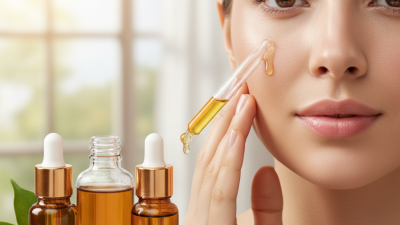
Natural vitamin E, primarily composed of tocopherols and tocotrienols, is an essential nutrient celebrated for its antioxidant properties. In skincare, natural vitamin E is widely appreciated for its ability to protect the skin from oxidative stress caused by environmental factors like pollution and UV radiation. According to the Journal of Cosmetic Dermatology, vitamin E helps maintain skin moisture and elasticity, making it a popular ingredient in moisturizers, serums, and sunscreens.
In terms of supplementation, natural vitamin E contributes to overall health by supporting immune function and promoting cardiovascular health. The American Heart Association points out that vitamin E plays a vital role in preventing oxidized cholesterol from damaging blood vessels, thus reducing the risk of heart disease. Furthermore, studies have shown that adequate levels of vitamin E may enhance skin healing and reduce the appearance of scars.
**Tip:** When incorporating natural vitamin E into your skincare routine, look for products that list "tocopherol" or "tocotrienol" as primary ingredients to ensure you are receiving its full benefits. Additionally, consider consuming vitamin E-rich foods such as nuts, seeds, and leafy greens to support your skin health from within.
**Tip:** For supplementation, consult with a healthcare professional to determine the appropriate dosage, as higher doses may lead to adverse effects.
What is Natural Vitamin E? Benefits, Sources, and Uses Explained
| Category |
Details |
| What is Natural Vitamin E? |
A group of eight fat-soluble compounds that include tocopherols and tocotrienols. |
| Key Benefits |
Antioxidant properties, supports immune function, skin health, and eye health. |
| Common Sources |
Nuts, seeds, vegetables, and vegetable oils (e.g., sunflower, almond oil). |
| Uses in Skincare |
Moisturizer, anti-aging treatments, skin healing, and sun protection. |
| Supplementation Form |
Capsules, soft gels, and topical creams. |
| Recommended Daily Intake |
15 mg (22.4 IU) for adults. |
Potential Side Effects and Considerations When Taking Natural Vitamin E
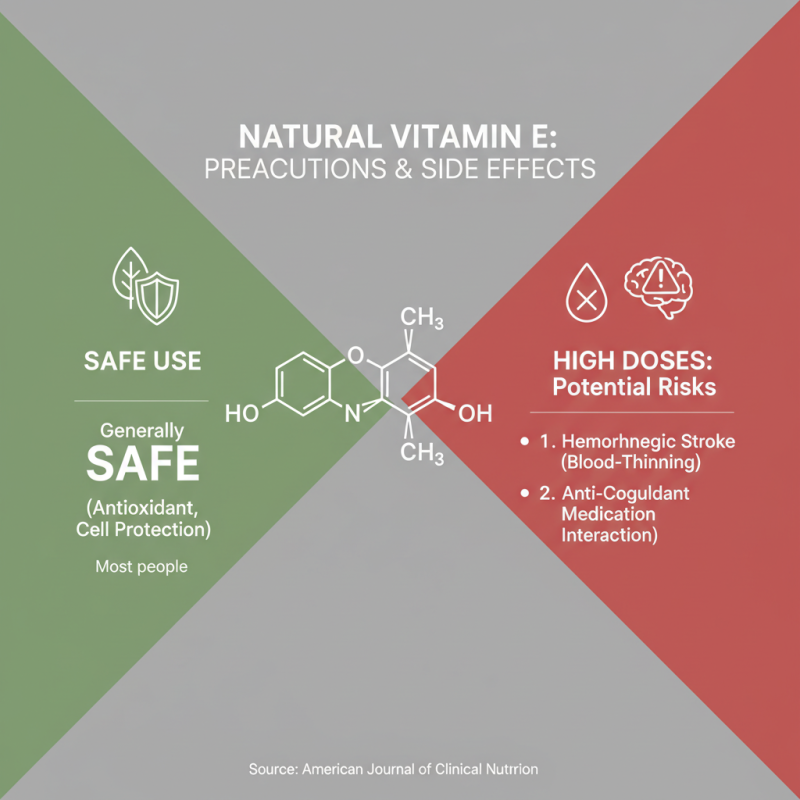
When considering the use of natural vitamin E, it is important to be aware of potential side effects and specific considerations that may arise. Although natural vitamin E, often recognized for its antioxidant properties and role in protecting cell membranes, is generally safe for most people, high doses can lead to adverse reactions. According to research published in the "American Journal of Clinical Nutrition," excessive intake may increase the risk of hemorrhagic stroke due to its blood-thinning properties, often elevating concerns for those on anticoagulant medications.
Moreover, individuals with certain health conditions should exercise caution when taking vitamin E supplements. Diabetics, for example, may be at risk for an impaired glucose metabolism, as noted in a study from the "Journal of the American Medical Association," which indicates that high doses can lead to worsened insulin sensitivity. Furthermore, the potential for interaction with other supplements or medications must be considered; interactions with selenium, for instance, can affect thyroid hormone levels, creating concerns for individuals with thyroid disorders. Therefore, it is advisable to consult healthcare professionals before incorporating high-dose vitamin E into one’s diet, ensuring that benefits can be harnessed safely without risking unwanted side effects.