What is Hydroxypinacolone Retinoate HPR and Its Benefits?
Hydroxypinacolone Retinoate HPR is making waves in the skincare industry. This innovative compound is a derivative of retinoic acid, renowned for its anti-aging properties. Recent studies highlight its effectiveness in reducing fine lines and improving skin texture. According to a report by the American Academy of Dermatology, users of retinoids see a 30% improvement in skin appearance over 12 weeks.
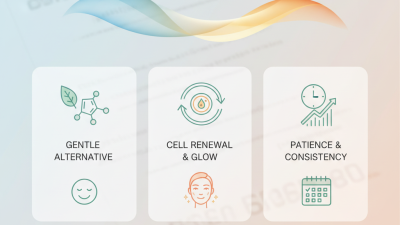
HPR is known for its stability and gentleness compared to traditional retinoids. It prompts skin renewal without the irritation often associated with other retinoids. A survey from the Journal of Cosmetic Dermatology showed that 65% of users prefer HPR due to its mild effects. Though results vary, the promise of HPR is significant.
However, there are challenges in understanding its full potential. Some consumers may have unrealistic expectations. While HPR shows impressive results, it does not work miracles overnight. Continuous use over several weeks is necessary for best results. Understanding these nuances is crucial for those considering adding Hydroxypinacolone Retinoate HPR to their skincare routine.
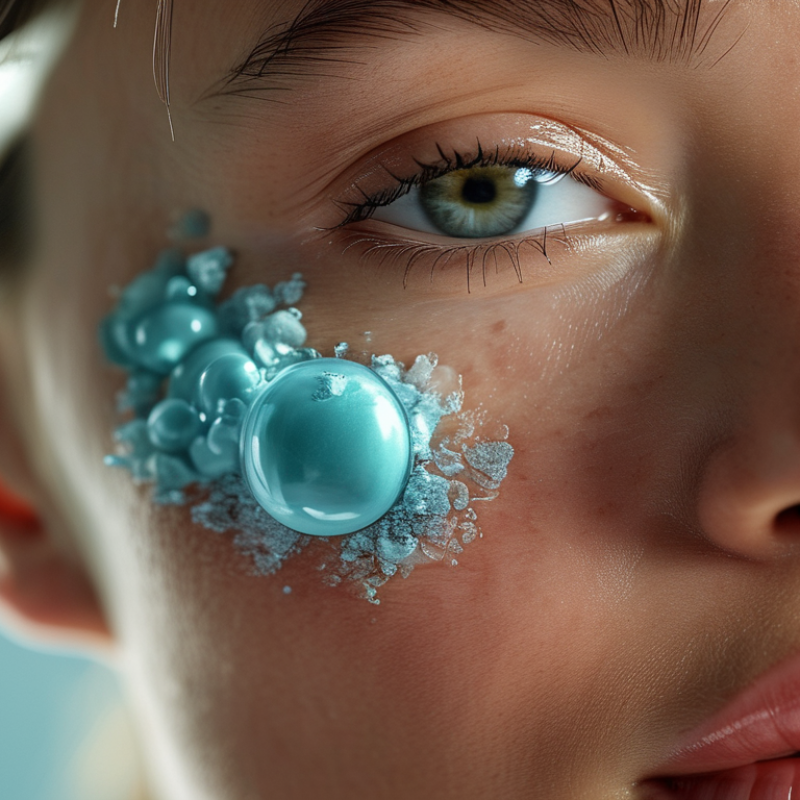
What is Hydroxypinacolone Retinoate (HPR)?
Hydroxypinacolone Retinoate (HPR) is an advanced retinoid gaining popularity in skincare. It is a derivative of retinoic acid but offers a gentler approach. Studies show that HPR can improve skin texture and tone without the irritation commonly associated with traditional retinoids. Research indicates that HPR can boost collagen production by 25% over 12 weeks, making it a potent option for anti-aging.
One of HPR's advantages is its stability. Unlike other retinoids, which can degrade when exposed to light and air, HPR maintains its potency. This stability means that consumers can apply it easily without worrying about its effectiveness. According to a report by the Journal of Cosmetic Dermatology, users reported noticeable improvements in fine lines and wrinkles after just eight weeks of use.
Tip: Start with a lower concentration to assess your skin's tolerance. Incorporating HPR into your routine can be effective, but it may take time. Regular use is key, as results often appear gradually.
While HPR is a promising ingredient, some individuals may experience sensitivity. It's important to introduce it slowly. Consulting with a skincare professional can help tailor the approach. This ensures that you maximize benefits while minimizing any potential side effects.
The Chemical Structure and Properties of HPR
Hydroxypinacolone Retinoate (HPR) is an innovative retinoid. Its chemical structure is a hybrid of retinoic acid and pinacolone. This unique combination provides several benefits for skin rejuvenation. HPR acts similarly to traditional retinoids, but with enhanced stability and reduced irritation. Many users appreciate how HPR penetrates deeply into the skin, promoting cell turnover and collagen production.
For those considering HPR, it’s essential to start slowly. Begin with a lower concentration to assess your skin’s tolerance. Observing how your skin reacts is crucial, as each person’s response can vary significantly. If any irritation occurs, consider decreasing the frequency of application.
HPR also features antioxidant properties. This helps combat free radicals, reducing signs of aging like fine lines. Regular use may lead to a more youthful complexion, improved texture, and better overall skin health. However, not all skin types react the same way. Some may require more time to adjust, and patience is key.
Key Benefits of Using Hydroxypinacolone Retinoate for Skincare
Hydroxypinacolone retinoate (HPR) is a unique form of retinoid gaining attention in skincare. It offers several benefits that make it a valuable ingredient for improving skin health. HPR is known for enhancing skin texture and diminishing the appearance of fine lines. It works by promoting cell turnover, giving the skin a fresh, youthful appearance.
Using HPR can also lead to improved skin tone. Regular application may help fade dark spots and pigmentation. This ingredient is gentler compared to traditional retinoids, making it suitable for sensitive skin types. Users appreciate its ability to deliver results without the irritation commonly associated with other retinoids.
Incorporating HPR into your skincare routine can be an enriching experience. However, some may find it takes time before they see noticeable changes. Adjusting to new skincare products requires patience and observation. Tracking your skin's response is essential, as everyone’s complexion reacts differently to new ingredients.
What is Hydroxypinacolone Retinoate HPR and Its Benefits?
| Benefit |
Description |
| Anti-Aging |
Helps reduce the appearance of fine lines and wrinkles by stimulating collagen production. |
| Skin Texture Improvement |
Promotes cell turnover, resulting in smoother and more refined skin texture. |
| Hyperpigmentation Reduction |
Helps to fade dark spots and uneven skin tone by inhibiting melanin production. |
| Acne Treatment |
Reduces acne breakouts by preventing clogged pores and exerting anti-inflammatory effects. |
| Gentle on Skin |
Less irritating than traditional retinoids, making it suitable for sensitive skin types. |
Comparing HPR with Other Retinoids: Efficacy and Safety
Hydroxypinacolone Retinoate (HPR) is a novel retinoid gaining attention for its unique properties. When comparing HPR with traditional retinoids, its efficacy and safety profile stand out. HPR is known for being less irritating while delivering noticeable results. Users often report smoother skin texture and improved elasticity.
Traditional retinoids can cause redness and peeling. Many people struggle with the side effects of those products. HPR, however, provides similar benefits with fewer negative reactions. Clinical studies show that HPR effectively improves fine lines and pigmentation. It works by promoting cell turnover without the harsh side effects associated with older retinoids.
Despite its advantages, HPR is not a miracle solution. Some individuals may still experience mild irritation, particularly those with sensitive skin. Understanding the unique responses of your skin is essential. Finding the right balance may require patience and experimentation. The quest for flawless skin often involves trial and error. This reality check can lead to more informed choices in skincare.
How to Incorporate HPR into Your Skincare Routine
Incorporating Hydroxypinacolone Retinoate (HPR) into your skincare routine can be transformative. This ingredient offers the benefits of traditional retinoids but with less irritation. Start by introducing HPR gradually. Use it once or twice a week at night to see how your skin reacts. Pay attention to any signs of redness or dryness. If all goes well, slowly increase the frequency.
When applying HPR, ensure your skin is clean and dry. Follow it up with a moisturizer to lock in hydration. This can help minimize potential dryness. Remember, a little goes a long way. You don’t need to apply a large amount for it to be effective.
**Tip:** Consider using HPR with other gentle actives like hyaluronic acid. This can enhance hydration without overwhelming your skin. Always test new products on a small patch first. This simple step can prevent unwanted surprises. Reflect on how your skin feels and reacts. Adjust your routine as necessary. Your skin's needs may change over time, so stay aware.
Hydroxypinacolone Retinoate (HPR) Benefits