What is Hydroxypinacolone Retinoate HPR Benefits and Uses?
Hydroxypinacolone Retinoate HPR is a cutting-edge skincare ingredient that has garnered significant attention. Known for its potent anti-aging properties, HPR is a derivative of retinoic acid. Unlike traditional retinoids, it offers benefits with reduced irritation. This makes it a favorable choice for many skin types.
Users often report visible improvements in skin texture and tone after regular use of products containing Hydroxypinacolone Retinoate HPR. It helps to stimulate collagen production, resulting in firmer skin. Additionally, it aids in reducing fine lines and hyperpigmentation. The reliable efficacy of HPR makes it a preferred option for those seeking youthful skin.
However, it's essential to approach HPR with realistic expectations. Individual results can vary, and some may experience sensitivity initially. Consulting a dermatologist before starting any new skincare regimen is wise. Overall, Hydroxypinacolone Retinoate HPR stands out as a promising addition to skincare routines, bringing both science and beauty together.
What is Hydroxypinacolone Retinoate (HPR)?
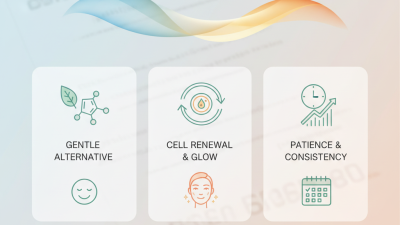
Hydroxypinacolone Retinoate (HPR) is a unique derivative of retinoic acid. It is gaining popularity in skincare due to its efficacy and gentle nature. HPR works effectively to improve skin texture and reduce signs of aging. Many users report smoother skin with consistent use. This compound provides similar benefits as traditional retinoids but with less irritation.
The mechanism of HPR involves promoting cell turnover and boosting collagen production. This helps diminish fine lines and improve elasticity. Its ability to penetrate the skin allows for deeper hydration. Unlike some retinoids, HPR does not usually cause peeling or redness. This makes it suitable for sensitive skin types.
Involving HPR into a skincare routine may require patience. Results often take time, and not everyone will experience the same benefits. It’s important to combine HPR with a good moisturizing regimen. Over time, the appearance of pores may improve, resulting in a more youthful look. Each person's skin reacts uniquely, and adjustments may be necessary to find the right balance.
The Chemical Structure and Properties of HPR
Hydroxypinacolone Retinoate (HPR) is a unique retinoid with a distinct chemical structure. Its molecular formation is similar to traditional retinoids, but HPR is less irritating. This makes it suitable for sensitive skin types. It features a hydroxy group that enhances stability and solubility. Such properties contribute to its effectiveness in skincare formulations.
The benefits of HPR stem from its ability to promote skin cell turnover. This process can reduce the appearance of fine lines and improve skin texture. As a newcomer in the skincare world, HPR shows promise, but research is still ongoing. Users have reported positive outcomes, yet individual reactions can vary. While many experience fewer side effects, some may still encounter mild irritation.
Understanding HPR's chemical properties is essential for its optimal use. Its compatibility with other ingredients makes it versatile in products. However, caution is advised for first-time users. Patch testing is recommended to prevent adverse reactions. As with any active ingredient, moderation is key. Observing how your skin responds to HPR can be a valuable step in your skincare journey.
Major Benefits of HPR in Skincare
Hydroxypinacolone Retinoate (HPR) is a powerful compound in skincare. It offers remarkable benefits for maintaining youthful, radiant skin. Unlike traditional retinoids, HPR is less irritating, making it suitable for sensitive skin types. Users often report smoother texture and improved clarity after regular use. The soothing nature of HPR allows it to work well alongside other active ingredients.
HPR promotes collagen production effectively. This helps reduce fine lines and wrinkles. Studies indicate that it enhances skin elasticity, leaving skin firmer and more resilient. Additionally, HPR supports cellular turnover, resulting in a brighter complexion. Many find that it diminishes hyperpigmentation and alleviates acne-related issues. Its regulatory effect on sebum production keeps skin balanced and clear.
Incorporating HPR into your routine can improve overall skin health. However, it is essential to combine it with sunscreen for optimal protection. Not everyone experiences instantaneous results; some may take longer to notice significant changes. Individual reactions can vary, requiring personalized approaches to skincare. Regular assessments of skin condition and adjusting routines may be necessary for the best outcomes.
Benefits of Hydroxypinacolone Retinoate (HPR) in Skincare
Hydroxypinacolone Retinoate (HPR) is known for its ability to improve various skin concerns. The chart above illustrates the effectiveness of HPR in five critical areas of skincare, indicating that HPR can significantly contribute to smoother skin, wrinkle reduction, even skin tone, pore minimization, and hydration.
Common Uses of HPR in Cosmetic Products
Hydroxypinacolone Retinoate (HPR) is gaining attention in the cosmetic industry. This compound is derived from vitamin A and serves as a milder alternative to traditional retinoids. It is praised for its effectiveness in targeting signs of aging, such as fine lines and uneven texture. Many users appreciate its ability to provide results without the irritation typically associated with other retinoids.
In skincare formulations, HPR is used in serums and creams aimed at improving skin tone and firmness. Users often experience smoother skin after consistent use. Products containing HPR can help with acne, making them suitable for diverse skin types. Furthermore, HPR promotes collagen production, which is essential for maintaining youthful skin.
While many report positive effects, some may experience minor sensitivity during initial use. It's essential to assess individual skin reactions when introducing any new ingredient. Overall, HPR's inclusion in cosmetic products reflects a growing trend towards gentler yet effective anti-aging solutions.
Safety and Side Effects of Hydroxypinacolone Retinoate
Hydroxypinacolone Retinoate (HPR) is gaining attention for its benefits in skincare. However, understanding the safety and potential side effects is vital for anyone considering its use. HPR is a derivative of retinoic acid, promising similar effects with presumably fewer irritations. While many users report positive outcomes, individual reactions can vary significantly.
Skin reactions are among the primary concerns with HPR. Some individuals may experience redness, peeling, or dryness. It is essential to perform a patch test before widespread application. Allergic reactions, though rare, can occur. If swelling or severe discomfort arises, discontinue use immediately. Additionally, combining HPR with certain other skincare products can intensify these side effects. Always consult a dermatologist if uncertain about your skincare regimen.
Long-term effects of HPR are still under research. While many find it beneficial for improving skin texture and reducing signs of aging, the research on its effects over time is limited. Users should remain cautious and attentive to their skin's condition. This will help ensure that the benefits outweigh any adverse effects. Note that hydration and sun protection are crucial when using any retinoid, including HPR.
What is Hydroxypinacolone Retinoate HPR Benefits and Uses? - Safety and Side Effects of Hydroxypinacolone Retinoate
| Aspect |
Details |
| Ingredient Type |
Retinoid |
| Primary Benefits |
Reduces fine lines, improves skin texture, enhances radiance |
| Usage |
Typically applied in the evening after cleansing |
| Skin Types |
All skin types, including sensitive skin |
| Safety Profile |
Generally safe with minimal irritation |
| Common Side Effects |
Mild redness, dryness, or peeling |
| Consultation |
Consult a dermatologist if unsure about use |