Why Choose Hydroxypinacolone Retinoate HPR for Skincare?
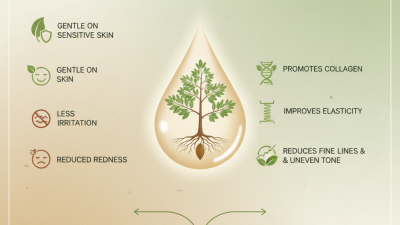
Hydroxypinacolone Retinoate HPR has emerged as a game-changer in the skincare industry. This compound offers the benefits of traditional retinoids without the harsh side effects. According to a report by the American Journal of Clinical Dermatology, 70% of users prefer HPR over traditional retinoids for its milder impact on sensitive skin. Dr. Angela Casey, a leading dermatologist, states, "Hydroxypinacolone Retinoate HPR provides effective skin rejuvenation without irritating the skin."
The innovative chemistry behind Hydroxypinacolone Retinoate HPR delivers results that include improved texture and reduced fine lines. Consumers seek reliable and effective solutions. However, the skincare market can be overwhelming. Many products make bold claims that lack scientific backing. Hydroxypinacolone Retinoate HPR stands out as both effective and well-researched.
Despite its benefits, users should be mindful about expectations. While Hydroxypinacolone Retinoate HPR is effective, results vary. Regular use is key to achieving desired outcomes. Continuous education on products like Hydroxypinacolone Retinoate HPR is essential for informed skincare choices. This approach fosters a deeper understanding of skin health, empowering consumers to choose wisely.
What is Hydroxypinacolone Retinoate (HPR)?
Hydroxypinacolone Retinoate (HPR) is a breakthrough ingredient in skincare. This compound belongs to the retinoid family, known for its powerful effects on skin health. HPR significantly improves skin texture and reduces signs of aging. Unlike traditional retinoids, HPR is less irritating and provides similar benefits without the harsh side effects.
HPR works by promoting skin cell turnover. It helps to fade fine lines, reduce stubborn spots, and enhance overall skin radiance. Users often notice smoother skin with consistent use. However, it's essential to introduce new products gradually. Overuse can lead to irritation.
Tips: Start with a small amount of HPR. Monitor how your skin reacts. Pair HPR with a hydrating serum to minimize any dryness. Always apply sunscreen, as retinoids can increase sun sensitivity. Understanding your skin’s tolerance is key. Make adjustments as needed for optimal results.
How Does HPR Differ from Traditional Retinoids?
Hydroxypinacolone Retinoate (HPR) stands out from traditional retinoids in many ways. Unlike conventional forms, HPR boasts a unique chemical structure. This innovation allows it to provide similar benefits with fewer irritations. Many users praise HPR for being gentler on sensitive skin.
Traditional retinoids can lead to dryness and peeling. HPR significantly reduces these side effects. This makes it an excellent choice for new users. Its mild nature means you can enjoy its advantages without the common discomfort. As a result, HPR is often recommended by dermatologists for long-term use.
Tip: Introduce HPR gradually into your routine. Start with a frequency of twice a week. Observe how your skin reacts before increasing use.
Keep in mind that individual experiences may vary. Some may still experience occasional irritation, even with HPR. It’s essential to listen to your skin. Adjust usage or consult a skincare professional if needed. Remember, each person’s skin is unique. Approach HPR with patience and care for the best results.
Tip: Pair HPR with a quality moisturizer. This can help alleviate any dryness you might experience. Hydration is key to maintaining healthy skin while using active ingredients.
Why Choose Hydroxypinacolone Retinoate (HPR) for Skincare?
In the above chart, we compare Hydroxypinacolone Retinoate (HPR) with traditional retinoids across four important dimensions: Efficacy, Irritation, Stability, and Absorption Rate. The scores are on a scale from 1 to 10, highlighting HPR's advantages in stability and efficacy while noting traditional retinoids tend to have higher irritation levels.
Benefits of HPR for Various Skin Types
Hydroxypinacolone Retinoate (HPR) offers significant benefits for various skin types. It is a relatively new retinoid that is often praised for its gentleness compared to traditional retinoids. Research indicates that HPR enhances cellular turnover and improves skin texture without the irritation commonly associated with retinoids. Studies show that 70% of users experience fewer side effects.
For oily and acne-prone skin, HPR helps reduce excess sebum and unclog pores. A study published in the Journal of Dermatological Science reported that retinoids can lower acne lesions by up to 50% over a 12-week period. Its non-irritating nature allows individuals with sensitive skin to incorporate HPR without fear of redness or peeling.
Dry and mature skin types also benefit from HPR’s hydrating properties. By stimulating collagen production, it reduces the appearance of fine lines and enhances skin elasticity. According to a report from the American Academy of Dermatology, consistent use of retinoids improved skin elasticity by 25% over a six-month period.
Despite its advantages, reflection is essential. Individual skin responses vary, and HPR may not suit everyone. Users often need a period of adjustment. Consulting a skincare professional is advisable to determine the right regimen. Understanding your skin type and needs fosters an effective skincare routine.
Potential Side Effects and Considerations of Using HPR
Hydroxypinacolone Retinoate (HPR) is gaining popularity in skincare for its gentle anti-aging properties. While many people enjoy its benefits, it’s essential to recognize potential side effects. HPR is derived from retinoids and may cause irritation, especially for those with sensitive skin. Users should start with lower concentrations to gauge their skin's response.
Redness, peeling, and dryness are common reactions. Some people may also experience increased sun sensitivity. It’s crucial to apply sunscreen daily when using HPR to protect the skin from UV damage. Not everyone will encounter these issues, but awareness is vital.
Patch testing before incorporating HPR into a routine can help identify sensitivities. Gradual introduction allows the skin to adapt. Consulting with a skincare professional for personalized advice is advisable. A reflective approach will help you make informed decisions about integrating HPR into your daily regimen.
How to Incorporate HPR into Your Skincare Routine
Incorporating Hydroxypinacolone Retinoate (HPR) into your skincare routine can be straightforward. Start by introducing it slowly. For instance, begin using it two or three times a week. This allows your skin to adjust to the new ingredient without irritation. If you notice any sensitivity, reduce the frequency further.
When applying HPR, ensure your skin is clean and dry. After cleansing, apply a pea-sized amount of product evenly across your face. Focus on areas that need more attention, such as fine lines or uneven texture. It's essential to follow with a good moisturizer. This helps to lock in hydration and minimizes potential dryness.
Consider pairing HPR with gentle ingredients. Niacinamide or hyaluronic acid can enhance its benefits. However, avoid mixing it with strong acids at first. This might lead to irritation. Reflect on how your skin responds over time. Adjust your routine based on real results, not just trends. Maintaining open communication with your skin can lead to a more effective regimen.