How to Buy Magnesium Ascorbyl Phosphate in 2026
Buying Magnesium Ascorbyl Phosphate in 2026 takes more than comparing prices. This vitamin C derivative is used in cosmetic formulations, but products from different suppliers may vary in grade, documentation, and handling requirements. A low price can look attractive. It may not tell you whether the material suits your formula or production scale.
A careful purchase starts with a clear specification. Check the product’s stated grade, assay, appearance, packaging, recommended storage conditions, and available batch documents, such as a certificate of analysis. Ask suppliers how they identify and trace each lot, and request a sample when practical. Then assess how the ingredient behaves in your own formulation; laboratory results and supplier guidance cannot replace testing under your actual process. Small details matter. A powder arriving in a damaged or poorly sealed container can raise questions before formulation even begins.
This guide explains how to compare suppliers, review technical information, estimate total costs, and ask useful questions before placing an order. It also considers lead times, minimum order quantities, and support after purchase. Requirements and accepted documentation can differ by market and intended use, so confirm current expectations with qualified professionals rather than relying on a product listing alone. Some buyers focus too heavily on a single specification. That is understandable, but rarely enough. A reliable decision balances documentation, consistency, service, and fit for purpose.
Identify Your Magnesium Ascorbyl Phosphate Requirements
Before requesting quotes, define the job magnesium ascorbyl phosphate must do. A leave-on serum and a rinse-off product may need different solubility, particle-size, and handling specifications. Record the target use level, finished-formula pH, processing temperature, and packaging format. Small details matter. Ask suppliers for an assay method, lot-specific certificate of analysis, moisture level, heavy-metal results, and storage guidance. The Cosmetic Ingredient Review’s safety assessment covers magnesium ascorbyl phosphate among cosmetic vitamin C ingredients; use it as a reference, not proof that every grade performs alike.
Set acceptance limits before comparing prices. Require the chemical identity and assay range your formulator can validate, plus clear limits for impurities and microbial quality. ISO 17516:2014 gives finished-cosmetic microbial limits of 10² CFU/g for higher-risk product categories and 10³ CFU/g for most other categories. These are finished-product benchmarks, not automatic raw-material specifications. Check the powder. Confirm whether the quoted grade dissolves in your actual water phase, not just in a supplier demonstration.
Ask for representative batch data and a sample from the same grade being quoted. Compare packaging seals, shelf-life evidence, and transport conditions; damp powder can complicate weighing and dispersion. CIR’s review supports a careful safety assessment, but it does not replace formula-specific stability testing. I’d also ask for data at your intended pH and temperature. That request may feel fussy, yet skipping it can leave a beautiful certificate beside a formula that clouds in the beaker.
Compare Product Grades and Technical Specifications
Magnesium ascorbyl phosphate (MAP) is available in grades with different assay levels, physical properties, and documentation. Start with the intended formula. A cosmetic-grade powder may suit a leave-on product, but the label alone does not confirm performance.
Compare assay, moisture, appearance, solubility, and particle size. Check the test method and acceptance range, not just the headline number. Ask how pH is measured, including the sample concentration and water used. Small details matter. Request a current lot-specific certificate of analysis, technical data sheet, and safety data sheet. Review heavy-metal and microbiological limits where relevant. A tidy specification sheet can still leave questions; suppliers do not always define tests in the same way.
Test samples in your own base before choosing a grade. Record the formula’s pH, clarity, and texture after mixing, then monitor changes during storage. Keep concentration, water quality, and processing conditions consistent when comparing samples. Confirm recommended storage, packaging, retest period, and available batch traceability. A higher assay is not automatically the better choice if the powder handles poorly or costs more without improving your formula. Some comparisons will remain imperfect until you run a small trial.
Evaluate Supplier Credentials and Documentation
When buying magnesium ascorbyl phosphate, check who made it and where. A polished website is not proof. Ask for the manufacturer’s legal name, production-site address, and a contact who can answer technical questions. Request current specifications and a lot-specific certificate of analysis (COA). The COA should identify the tested batch, methods, results, and release date. Compare its values with the specification, not just with a supplier’s sales sheet. Small mismatch? Ask why.
Review the safety data sheet, product specification, and traceability records before ordering. For a cosmetic ingredient, useful details may include identity, assay, appearance, solubility, storage conditions, and limits for relevant contaminants. Ask how the supplier controls changes between batches and handles complaints. If a quality-system certificate or audit report is offered, verify its scope, site, and validity; a document alone does not prove consistent control. Request a sample and, when the purchase matters, consider independent testing against agreed criteria. Keep the records with the batch you receive. It takes time. Still, I would rather pause over an unclear test method than accept a neat-looking file without checking what it actually measures.
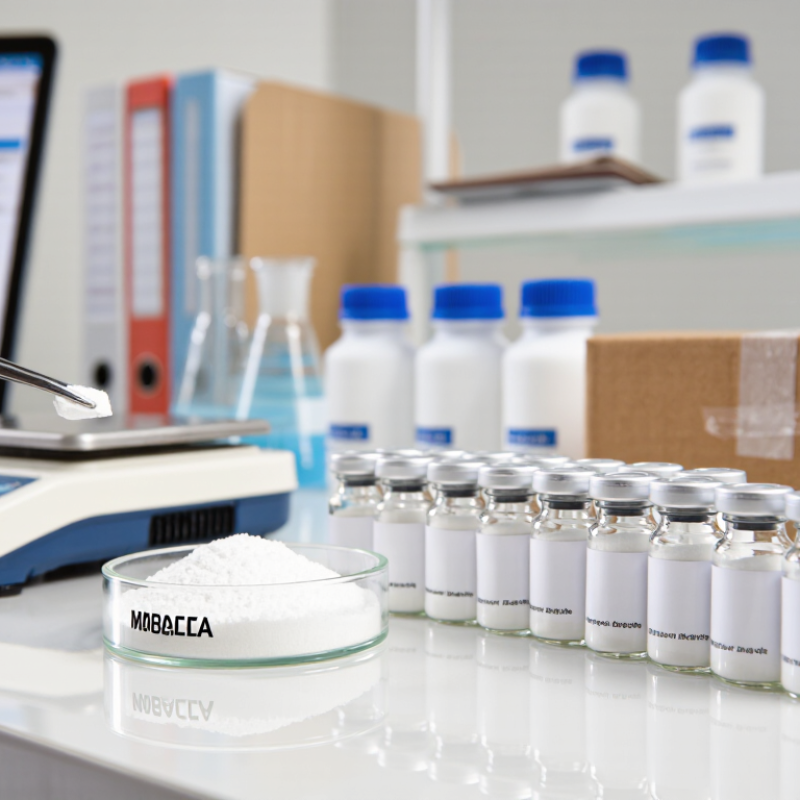
Buying Magnesium Ascorbyl Phosphate in 2026: Supplier Documentation Checklist
The bars count suggested checks in a practical buyer’s review checklist—not supplier ratings or market-survey results. Request relevant records and confirm that specifications, test methods, and regulatory documents fit your intended use and destination market.
Review Pricing, Packaging, and Shipping Options
Magnesium ascorbyl phosphate (MAP) quotes can be difficult to compare at a glance. Check whether the price applies to a sample, a small pack, or a full order. Ask for the quoted grade, assay, minimum quantity, and quote validity period. A low price per kilogram may not include testing, freight, or handling. The spreadsheet can still miss something.
Packaging affects both cost and convenience. Ask whether MAP comes in sealed inner liners, moisture-resistant bags, or smaller containers inside a shipping carton. Confirm the net weight per pack and whether the supplier can provide a sample before you commit to a larger quantity. Review the certificate of analysis and product specification for the batch offered. If documents are incomplete, pause and ask. It is a small step, but easy to skip when schedules tighten.
Shipping options may include standard air freight, express courier, or sea freight for larger orders. Compare estimated transit time, freight charges, insurance, and any import paperwork relevant to your destination. Request the shipment weight and dimensions, not just the product weight; bulky cartons can change the final cost. Ask how delays or damaged packaging are handled. A cheaper route may take longer than expected, so leave room in your production schedule. The best option is not always the fastest one.
Verify the Product Before Completing Your Purchase
Before buying magnesium ascorbyl phosphate, verify the exact ingredient name and intended cosmetic grade. Ask for a current certificate of analysis linked to the batch you will receive. Check that it lists test results, specifications, and a batch number. A generic sample document is not enough. Request a safety data sheet and storage guidance as well.
Compare the supplier’s product description with its technical documents. Confirm the stated assay, appearance, packaging size, and recommended storage conditions. If the label or paperwork gives conflicting details, ask for written clarification before paying. Small details matter. Check that the container will arrive sealed, with a readable lot code and a stated shelf life. It is easy to rush this step when the price looks attractive. I would pause anyway; paperwork can appear complete while leaving basic questions unanswered.
For a first order, consider requesting a small sample and checking whether the seller can provide traceable batch records. Keep the invoice, product documents, and delivery photos together. Ask how the material should be handled after opening, especially if your workspace is humid. Do not assume that a “cosmetic grade” label guarantees a particular performance or purity level. If the seller avoids specific answers, choose a supplier whose documentation is clear and consistent. Verify before checkout.