How to Boost Your Health Naturally: The Benefits of Vitamin A Explained
Vitamin A is a vital nutrient that plays an essential role in maintaining optimal health. Found in a variety of foods, this fat-soluble vitamin is known for its numerous benefits, ranging from supporting vision to enhancing immune function. In an age where people are increasingly looking for natural ways to improve their well-being, understanding the significance of Vitamin A can lead to better dietary choices and lifestyle habits.
The importance of Vitamin A cannot be overstated; it is crucial for the development and maintenance of various bodily systems. It helps to promote healthy skin, aids in cell growth, and contributes to reproductive health. This introduction explores how incorporating Vitamin A-rich foods into your diet can have a profound impact on your overall health. By harnessing the power of this nutrient through natural sources, individuals can unlock a simple yet effective way to elevate their health and vitality.
As we delve further into the benefits of Vitamin A, we will uncover practical tips on how to increase its presence in your daily diet, along with a closer examination of the myriad ways it supports bodily functions. Understanding these aspects can empower you to make informed choices that promote long-term health and wellness.

Understanding Vitamin A: Types and Sources for Optimal Health
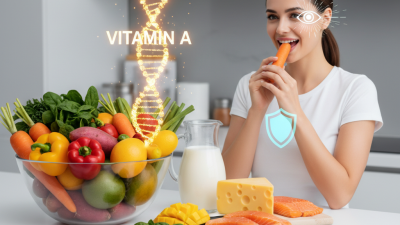
Vitamin A plays a crucial role in maintaining optimal health, being vital for vision, immune function, and skin health. There are two main types of Vitamin A: preformed Vitamin A (found in animal sources like liver and dairy products) and provitamin A carotenoids (found in plant sources like carrots and spinach). According to the National Institutes of Health, the recommended daily allowance for Vitamin A varies by age and gender, with adult men needing about 900 micrograms and women needing about 700 micrograms. Consuming a balanced diet that includes a variety of colorful fruits and vegetables can help ensure adequate Vitamin A intake.
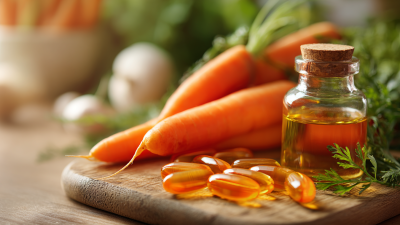
To maximize your Vitamin A intake, consider incorporating foods rich in this nutrient into your meals. Carrots, sweet potatoes, and apricots are excellent sources of beta-carotene, which the body converts into Vitamin A. Leafy greens like kale and spinach also contribute to your Vitamin A levels due to their high carotenoid content. Remember that dietary fat can enhance carotenoid absorption, so pairing these foods with healthy fats like olive oil or avocado can further boost your Vitamin A status.
Tips for better Vitamin A absorption include cooking vegetables, as this can break down cell walls and increase nutrient availability. Additionally, aim to include diverse sources of Vitamin A in your diet to benefit from its various forms and health advantages. Regularly assess your dietary habits to ensure you are consuming the right balance of preformed Vitamin A and provitamin A carotenoids for optimal health.
Role of Vitamin A in Vision: Preventing Night Blindness and Age-Related Issues
Vitamin A plays an essential role in maintaining healthy vision, particularly in preventing night blindness and addressing age-related vision issues. This fat-soluble vitamin is crucial for the synthesis of rhodopsin, a pigment found in the retina that allows us to see in low-light conditions. Without adequate Vitamin A, the eyes are unable to adapt efficiently to darkness, resulting in difficulties when navigating dim environments. Ensure that your diet includes sufficient amounts of this vitamin to support optimal eye function.
In addition to its role in night vision, Vitamin A also contributes to overall eye health by promoting the integrity of the cornea and supporting the prevention of age-related macular degeneration (AMD). As we age, our eyes can become more susceptible to degeneration, leading to vision loss. Adequate vitamin A intake can help protect against such conditions by enhancing the health of retinal cells. Incorporating foods rich in Vitamin A, like leafy greens, carrots, and sweet potatoes, into your daily nutrition can provide significant benefits for vision preservation over time.
The Immune System: How Vitamin A Supports Immune Function and Response
Vitamin A plays a vital role in bolstering the immune system, serving as a crucial nutrient for maintaining optimal immune function and response. This fat-soluble vitamin is essential for the formation and maintenance of various immune cells, including T cells, which are pivotal in recognizing and attacking pathogens. A deficiency in vitamin A can lead to a compromised immune response, leaving the body vulnerable to infections and diseases.
Moreover, vitamin A helps maintain the integrity of mucosal surfaces, such as those in the respiratory and gastrointestinal tracts, acting as a barrier against invading microbes. By promoting the production of proteins that are vital for immune function, vitamin A ensures that the body can effectively respond to infections and inflammation. Inadequate levels can hinder these protective mechanisms, making it crucial to include vitamin A-rich foods in one’s diet, such as leafy greens, carrots, and sweet potatoes, to support overall health and enhance immune resilience.
How to Boost Your Health Naturally: The Benefits of Vitamin A Explained
| Health Benefits |
Sources |
Daily Recommended Intake |
Role in Immune Function |
| Promotes Healthy Vision |
Carrots, Sweet Potatoes, Spinach |
900 mcg for men; 700 mcg for women |
Supports mucosal immunity and barriers |
| Enhances Skin Health |
Eggs, Dairy Products, Fortified Foods |
900 mcg for men; 700 mcg for women |
Boosts the production of skin cells |
| Supports Reproductive Health |
Leafy Greens, Fish, Liver |
900 mcg for men; 700 mcg for women |
Facilitates healthy reproductive hormones |
| Aids in Bone Metabolism |
Pumpkin, Peppers, Fish |
900 mcg for men; 700 mcg for women |
Regulates osteoblast and osteoclast activity |
Vitamin A and Skin Health: Benefits for Acne, Aging, and Overall Appearance
Vitamin A plays a pivotal role in maintaining skin health, making it an essential nutrient for anyone looking to enhance their complexion and combat skin issues. This powerful vitamin is known for its ability to promote cell turnover, which helps in the shedding of dead skin cells and the generation of new ones. This process not only aids in reducing the appearance of acne but also minimizes the visibility of pores, leading to a smoother and clearer skin texture. Retinoids, derivatives of Vitamin A, are commonly used in skincare regimens to target these issues, proving effective in managing breakouts and preventing future flare-ups.
Moreover, Vitamin A is instrumental in addressing signs of aging. It enhances collagen production, which contributes to skin elasticity and firmness, helping to diminish fine lines and wrinkles. Its antioxidant properties work to combat free radicals, protecting the skin from oxidative damage that can accelerate the aging process. By incorporating Vitamin A-rich foods into your diet, such as carrots, sweet potatoes, and leafy greens, or through skin-care products that contain retinoids, you can support your skin's overall appearance, leading to a more youthful and vibrant look. The integration of this nutrient into both diet and beauty routines underscores its significance in achieving and maintaining healthy skin.
Daily Recommendations and Safety: Balancing Vitamin A Intake from Foods and Supplements
Vitamin A plays a crucial role in maintaining various aspects of health, including vision, immune function, and skin integrity. The recommended daily allowance (RDA) for Vitamin A varies by age and gender, with adult men requiring approximately 900 micrograms (mcg) and women needing around 700 mcg. According to the National Institutes of Health, it's essential to balance Vitamin A intake from food sources, such as carrots, sweet potatoes, and leafy greens, with the use of supplements to avoid both deficiency and toxicity.
While food sources typically provide beta-carotene, which the body can convert to Vitamin A, animal sources deliver preformed Vitamin A, which is more readily absorbed. Overconsumption of Vitamin A, particularly from supplements, can lead to hypervitaminosis A, which is associated with symptoms such as nausea, headaches, and even serious conditions like liver damage. Research indicates that maintaining the right balance is critical; a study published in the Journal of Nutrition highlights that a diet rich in Vitamin A can significantly improve overall health outcomes, particularly for vulnerable groups like pregnant women and children. Therefore, consulting with a healthcare provider is advised to tailor intake recommendations based on individual dietary habits and health conditions.