How to Boost Your Health with Vitamin A Benefits and Sources?
Vitamin A is essential for maintaining overall health. This vital nutrient plays a critical role in vision, immune function, and skin health. Many people are unaware of the numerous benefits it provides. Incorporating Vitamin A into your diet can help you feel your best.
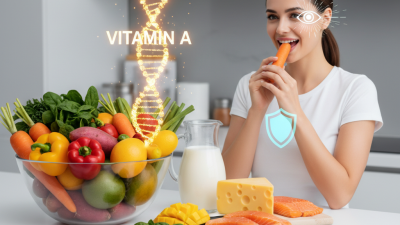
Fruits and vegetables, such as carrots and spinach, are rich sources of Vitamin A. These foods can support your body in many ways. However, not everyone gets enough of this nutrient. Deficiencies can lead to serious health issues. It's important to identify ways to enhance your Vitamin A intake through diet or supplements.
Moreover, the quality of your sources matters. Not all supplements offer the same benefits. Choosing organic and reliable products ensures maximum absorption. Reflecting on your current eating habits is crucial. Are they providing adequate Vitamin A? Making minor dietary changes can lead to significant health improvements. By actively prioritizing this vitamin, you can greatly enhance your well-being.

Understanding Vitamin A: Importance for Overall Health
Vitamin A plays a crucial role in maintaining overall health. It supports vision, boosts the immune system, and promotes skin health. Deficiency can lead to serious issues, including vision problems and weakened immunity. This makes understanding its importance vital for everyone.
Sources of Vitamin A are diverse. Foods rich in this nutrient include carrots, sweet potatoes, and leafy greens. These foods are often colorful, indicating their nutrient density. It's fascinating how a vibrant carrot can support eye health. However, not everyone consumes these foods regularly. Many might overlook these essentials in their diets.
Incorporating Vitamin A-rich foods can enhance health significantly. But achieving the right balance is key. Excess Vitamin A can also cause harm. It's essential to reflect on dietary choices. Are we getting enough Vitamin A? Or perhaps too much? Assessing our intake is crucial for improved well-being.
Key Health Benefits of Vitamin A: Vision, Immune Function, and More
Vitamin A plays a crucial role in maintaining vision. It is essential for producing rhodopsin, a pigment in the retina that helps our eyes adapt to low light. Without adequate Vitamin A, night blindness can occur. Foods rich in beta-carotene, such as carrots and sweet potatoes, can help improve your vision. However, some individuals might struggle to include these foods regularly. Finding creative ways to add them to meals can be beneficial.
Immune function is another key benefit of Vitamin A. This nutrient supports the body’s natural defenses against infections. It helps in the development of white blood cells, which are vital for fighting illness. Dark leafy greens and oranges are excellent sources of this vitamin. Yet, some people may not consume enough vegetables. This could lead to a weakened immune system, requiring a proactive approach to diet.
Vitamin A also supports skin health and cellular function. It aids in the repair of tissues and promotes healthy skin by reducing inflammation. While many are aware of its importance, not everyone gets sufficient variety in their diet. Understanding the importance of diverse Vitamin A sources can guide better dietary choices and enhance overall well-being.
Vitamin A Health Benefits and Sources
This chart shows the key health benefits of Vitamin A, along with common sources. As Vitamin A is essential for vision, immune function, and skin health, understanding its sources and benefits can help you improve your overall health.
Top Food Sources of Vitamin A: Animal and Plant-Based Options
Vitamin A plays a crucial role in maintaining vision, skin health, and immune function. Understanding its sources is essential for optimizing your intake. Two primary sources of Vitamin A are animal-based foods and plant-based foods, each offering unique benefits.
Animal-based sources include liver, fish, and dairy products. For example, beef liver is incredibly rich in Vitamin A, providing over 6,500 micrograms per 100 grams. In contrast, fish like salmon contains about 900 micrograms per 100 grams. These foods deliver retinol, a readily usable form of Vitamin A. However, some might find liver unpalatable or too rich to consume regularly.
Plant-based options are equally valuable. Carrots, sweet potatoes, and dark leafy greens are excellent sources of beta-carotene, which the body can convert into Vitamin A. One medium carrot contains around 1,200 micrograms of beta-carotene. Spinach provides approximately 470 micrograms per cooked cup. For those who prefer vegetarian diets, these options become essential. However, the conversion rate from beta-carotene to Vitamin A can vary among individuals, affecting overall absorption. Ensuring a balanced diet can help mitigate this issue.
Recommended Daily Intake: How Much Vitamin A Do You Need?
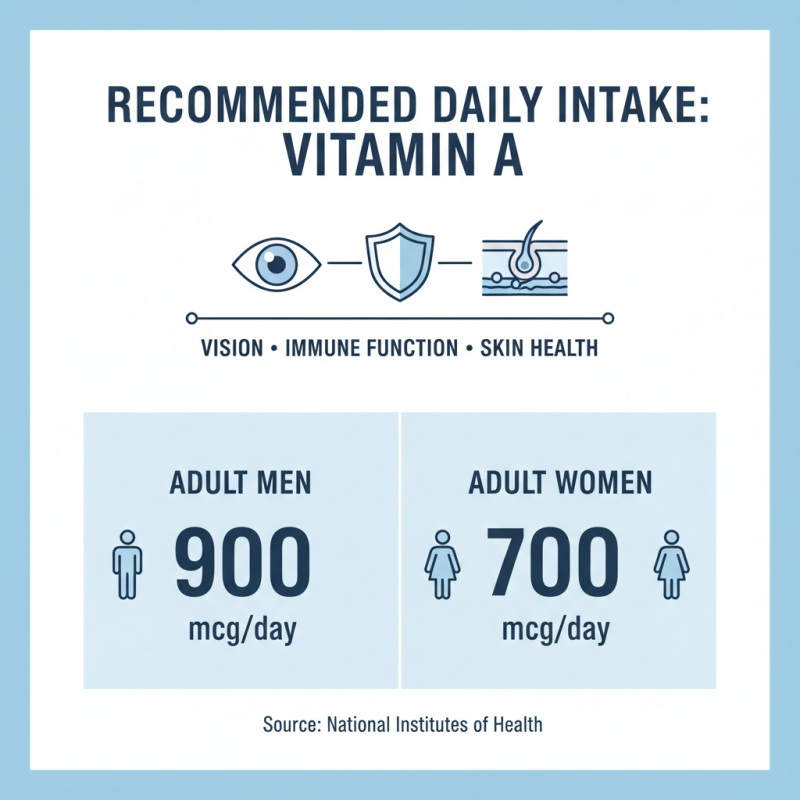
Vitamin A is crucial for your overall health. The recommended daily intake varies by age and gender. For adults, the amount is approximately 900 micrograms for men and 700 micrograms for women. These values come from the National Institutes of Health, which emphasize the importance of vitamin A for vision, immune function, and skin health.
To meet your daily needs, incorporate foods rich in vitamin A into your diet. Carrots, sweet potatoes, and spinach are excellent sources. A single medium carrot contains about 184% of the daily recommended intake. If you prefer animal sources, liver is incredibly rich in vitamin A, but be mindful of portion sizes due to its high concentration.
Tip: Consider pairing vitamin A sources with some fats, like olive oil, to enhance absorption. Some people struggle to consume enough vitamin A, relying too much on processed foods. Reflect on your eating habits to ensure a balanced intake of vital nutrients. Avoid excessive supplementation, as it can lead to toxicity and adverse effects.
Potential Risks of Vitamin A Deficiency and Excess: What to Watch For
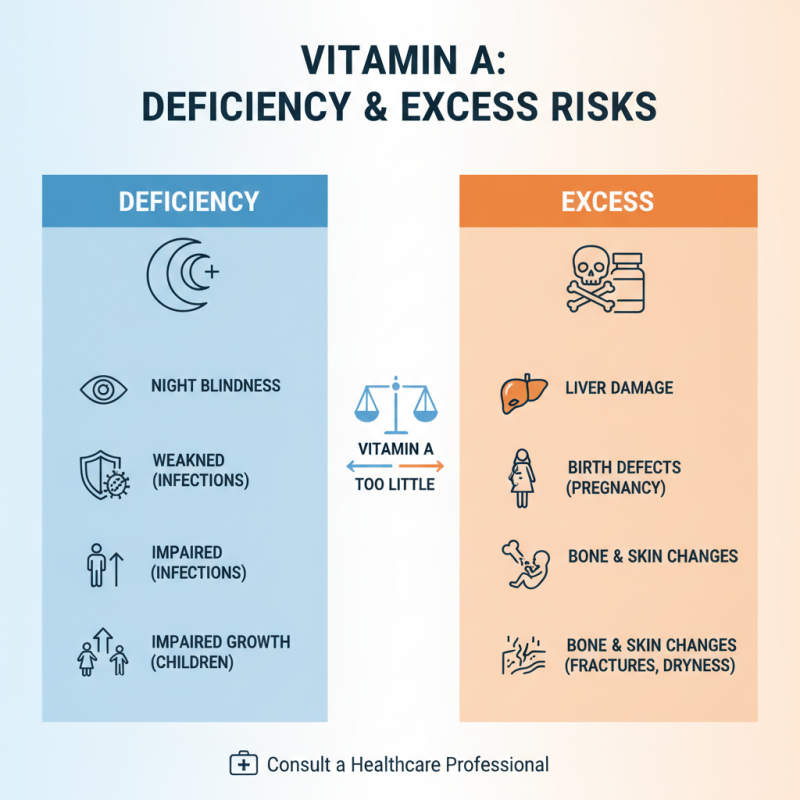
Vitamin A is essential for various bodily functions, including vision, immune response, and skin health. However, both deficiency and excess of this vitamin can pose significant health risks. A deficiency can lead to severe conditions like night blindness and an increased risk of infections. Children are particularly vulnerable, as a lack of vitamin A can impede their growth and development.
On the flip side, excessive intake of vitamin A can lead to toxicity. Symptoms may include dizziness, nausea, and even liver damage. Pregnant women must be cautious, as too much vitamin A can harm fetal development. It's crucial to monitor dietary sources. Foods rich in vitamin A, such as liver, carrots, and sweet potatoes, should be consumed wisely to maintain balance. Regular check-ups with healthcare professionals can guide individuals in maintaining optimal vitamin levels, avoiding both deficiency and excess.