10 Best Vitamin A Sources for Healthy Eyes and Skin?
Vitamin A is essential for maintaining healthy eyes and skin. Dr. Emily Johnson, a renowned nutritionist, states, "Vitamin A plays a crucial role in vision and skin health." While many people know its importance, few realize the best sources of this powerful nutrient.
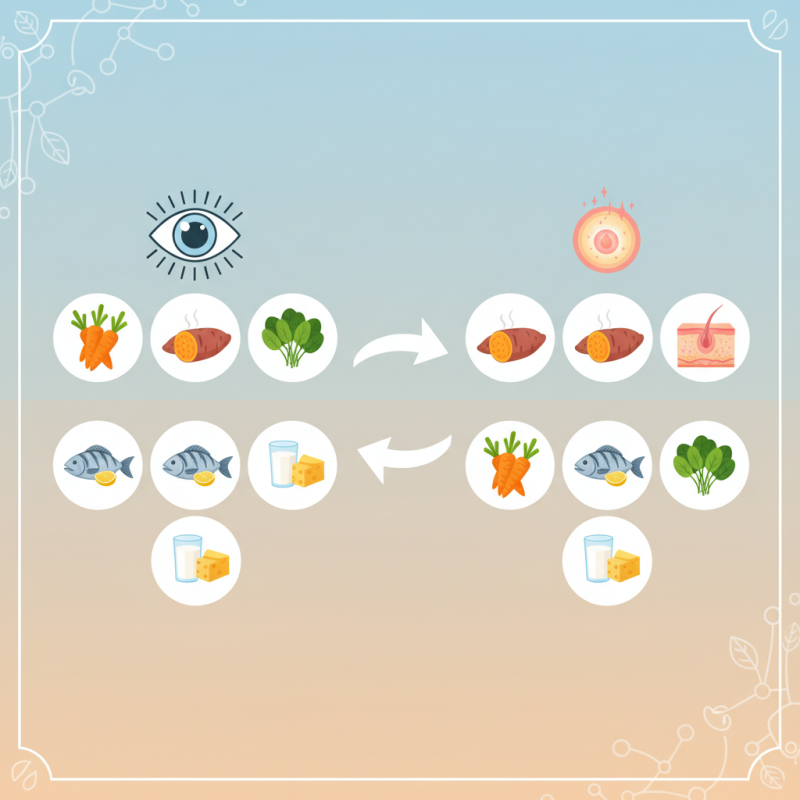
Carrots, sweet potatoes, and spinach are often highlighted for their Vitamin A content. However, fish and dairy products can also provide significant amounts. Some individuals may overlook these diverse sources, leading to potential deficiencies. Incorporating a variety of foods is important for a balanced diet.
Yet, not everyone gets enough Vitamin A. Many suffer from poor dietary choices. Understanding the best sources can help improve health. Choosing a diet rich in Vitamin A can enhance overall well-being. Eyesight and skin vitality hinge on these critical nutrients. Explore the best options and embrace a healthier lifestyle.
Importance of Vitamin A for Eye and Skin Health
Vitamin A plays a crucial role in maintaining healthy eyes and skin. This nutrient is vital for producing pigments in the retina. It helps in the discernment of light and colors. Insufficient amounts can lead to night blindness. Over time, this deficiency can have lasting effects.
For skin health, Vitamin A supports the production of new skin cells. It helps ward off dryness and promotes an even skin tone. Foods rich in Vitamin A can have a positive impact on your complexion. Consider carrots, sweet potatoes, and leafy greens. These options boost your intake effortlessly. Remember, sources vary in bioavailability.
Many people struggle to meet their Vitamin A needs. Sometimes, diets lacking in fruits and vegetables fall short. Awareness is key. Regularly incorporating diverse sources into meals ensures better health outcomes. Eye and skin conditions can often indicate deficiencies. Recognizing these signs can motivate dietary changes for improvement.
10 Best Vitamin A Sources for Healthy Eyes and Skin
| Food Source |
Vitamin A Content (IU per 100g) |
Health Benefits |
| Carrots |
16,706 IU |
Promotes vision and skin health. |
| Sweet Potatoes |
14,187 IU |
Supports immune function and skin integrity. |
| Spinach |
11,320 IU |
Contains antioxidants beneficial for skin. |
| Kale |
9,685 IU |
Enhances vision and skin health. |
| Red Bell Peppers |
4,662 IU |
Rich in vitamin C, great for skin. |
| Mangoes |
5,100 IU |
Promotes healthy skin and digestion. |
| Apricots |
3,162 IU |
Supports healthy skin and eye function. |
| Eggs |
270 IU |
Good for skin health and vision. |
| Liver |
16,899 IU |
Highly concentrated source, boosts immune system. |
| Cheddar Cheese |
500 IU |
Supports eye health. |
Top Animal-Based Sources of Vitamin A
When it comes to vitamin A, animal-based sources are often the richest and most bioavailable. These sources provide retinol, the active form of vitamin A.
Liver is one of the best sources. Just a small serving can meet daily requirements. It’s packed with nutrients. However, its strong flavor may not appeal to everyone.
Eggs are another excellent choice. They provide not only vitamin A but also protein and healthy fats. Incorporating eggs into your diet can be simple, like in omelets or boiled.
Dairy products, such as whole milk and cheese, also contain vitamin A, enriching your snacks and meals. Yet, some people may have difficulty digesting dairy.
Fatty fish like salmon and mackerel are great alternatives. They offer essential omega-3 fatty acids alongside vitamin A. Eating fish can be a delightful experience. However, sustainability practices in fishing are worth considering. Responsibly sourcing seafood is crucial for health and the environment. Balance is key.
Popular Plant-Based Sources of Vitamin A
A vibrant range of plant-based sources provides essential Vitamin A, crucial for healthy eyes and skin.
Carrots are often the go-to choice. Their bright orange hue indicates beta-carotene, a precursor to Vitamin A. Just half a cup of cooked carrots can offer significant benefits.
Sweet potatoes deserve mention, too. They’re not just delicious; their creamy texture and natural sweetness make them a favorite. A medium sweet potato contains enough Vitamin A to meet daily needs.
Spinach and kale also pack a nutritious punch. These leafy greens are versatile and easy to add to meals.
Tips: Incorporate a mix of colorful vegetables in your diet. This will boost your Vitamin A intake. It’s also essential to pair these foods with healthy fats for better absorption.
Pumpkin is another fantastic source. Its rich, fall flavor adds warmth to soups and pies.
However, some may find the taste overpowering. Experimenting with spices can enhance its appeal. Always remember, balance is key in your diet. Not everyone enjoys the same vegetables, so keep trying until you find what works for you.
Recommended Daily Intake of Vitamin A for Optimal Health
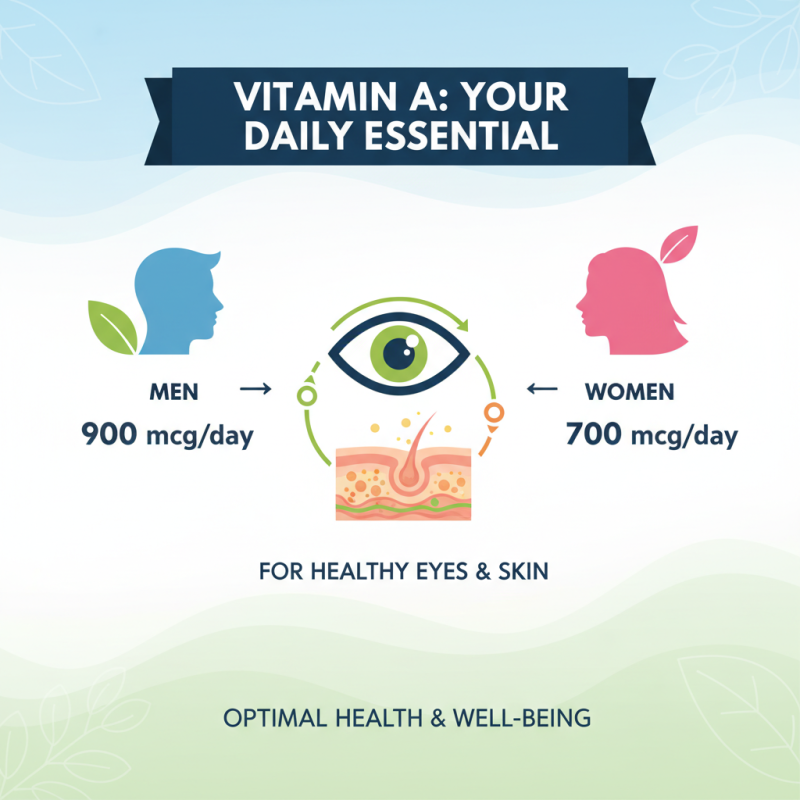
Vitamin A is essential for maintaining healthy eyes and skin. The recommended daily intake varies based on age, gender, and specific health needs. For adults, the general guideline suggests 900 micrograms for men and 700 micrograms for women. Meeting this requirement is crucial for optimal health and well-being.
Incorporating vitamin A-rich foods into your diet is an effective way to reach these goals. Foods like carrots, sweet potatoes, and spinach are excellent sources. While it’s tempting to overindulge in supplements, it's important to rely on natural sources first. Too much vitamin A can lead to toxicity. Striking a balance can feel challenging, but it's necessary for safety.
Tips: Incorporate a variety of colorful fruits and vegetables into every meal. This not only enhances the nutrient profile but also adds visual appeal. Aim for at least one serving of leafy greens daily. Experimenting with recipes is key. You might find a new favorite dish while ensuring you meet your vitamin A needs.
Tips for Incorporating Vitamin A into Your Diet
Vitamin A is essential for maintaining healthy eyes and skin. To incorporate more of this vital nutrient into your diet, focus on a variety of food sources. Dark leafy greens, such as spinach and kale, are rich in carotenoids that convert to Vitamin A in your body. Brightly colored fruits and vegetables like carrots and sweet potatoes are excellent as well. Even snacking on red bell peppers can boost your Vitamin A intake.
Consider experimenting with meals. A colorful salad packed with greens and carrots makes a nutritious lunch. You can also roast sweet potatoes for a delicious side dish. However, many people overlook these foods. They may stick to familiar choices, missing out on the benefits of diverse options. Trying new recipes can help you discover tasty ways to increase your Vitamin A.
Another approach is to consider cooking methods. Steaming vegetables preserves more nutrients than boiling. But it’s easy to forget about this detail in our busy lives. Aim for a balanced plate at every meal. Always keep at least one source of Vitamin A on hand. This practice can greatly improve your overall health. Remember that small changes can lead to significant benefits over time.
10 Best Vitamin A Sources for Healthy Eyes and Skin