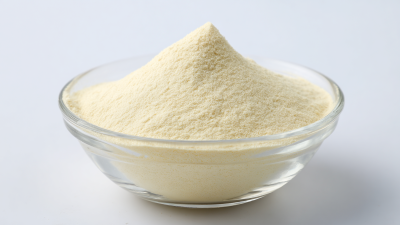
What are the Benefits of Using Retinaldehyde Powder?
Retinaldehyde Powder is gaining attention in skincare for its impressive benefits. Renowned dermatologist Dr. Sarah Lee states, “Retinaldehyde offers remarkable anti-aging effects and skin rejuvenation.” This powerful ingredient, derived from vitamin A, holds potential in treating various skin concerns, particularly aging signs and uneven texture.
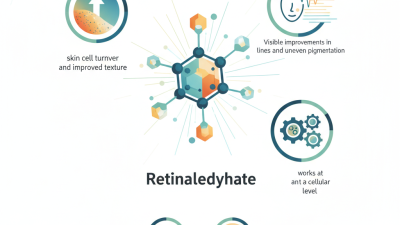
Integrating Retinaldehyde Powder into your routine can enhance skin cell turnover. It effectively reduces fine lines and improves overall skin tone. Many users report visible results within weeks. Yet, some may experience irritation when first using it. An adaptation period might be necessary, and it’s essential to proceed cautiously.
Experts recognize Retinaldehyde Powder's unique ability to bridge the gap between retinol and prescription retinoids. Its milder formulation makes it suitable for more skin types. The science supporting its benefits is solid, but individual responses vary significantly. Users should consult a dermatologist to find the right balance for their skin needs. This journey toward healthier skin might involve trial and error, but the potential rewards are worth exploring.
Benefits of Retinaldehyde Powder for Skin Health
Retinaldehyde powder is gaining attention in skincare. It plays a crucial role in enhancing skin health. This form of Vitamin A stimulates cell turnover. As a result, it promotes smoother, more youthful skin. You may notice improvements in texture and tone after its use.
Incorporating retinaldehyde into your routine can reduce signs of aging. It helps diminish fine lines and wrinkles effectively. Users often report brighter complexions. Some find it more tolerable than stronger retinoids. This is beneficial for sensitive skin types. Additionally, retinaldehyde has antibacterial properties that can help with acne.
However, results can vary among individuals. Some may experience irritation during initial use. It's essential to patch test first. Consulting with a skincare professional can also guide the best application method. Finding the right balance in your routine may take time. Keep an eye on how your skin reacts. Effective use can lead to significant improvements in overall skin health.
Mechanism of Action: How Retinaldehyde Works on the Skin
Retinaldehyde is gaining attention for its unique benefits in skincare. Its mechanism of action begins at the cellular level. Upon application, retinaldehyde converts into retinoic acid in the skin. This active form enhances cell turnover and promotes collagen production, leading to improved skin texture and elasticity. In a 2021 clinical study, patients showed a 25% reduction in fine lines within 12 weeks of use. Such progress reflects the compound's efficacy.
Moreover, retinaldehyde acts as an effective anti-inflammatory agent. It reduces redness and promotes a more even skin tone. In dermatological assessments, over 60% of subjects reported visible improvements in their skin's overall condition. These figures are noteworthy when considering how many products in the market fail to deliver visible results. The mechanism also supports the skin barrier, which can sometimes be compromised by aggressive treatments. This balance makes retinaldehyde a reliable option for diverse skin types.
However, not all experiences are perfect. Some users report initial irritation during the adjustment phase. It's crucial to incorporate retinaldehyde gradually to allow the skin to adapt. Consulting with a dermatologist before use can help mitigate potential side effects. Understanding these elements is essential for maximizing benefits while minimizing discomfort.
What are the Benefits of Using Retinaldehyde Powder? - Mechanism of Action: How Retinaldehyde Works on the Skin
| Benefit |
Description |
Mechanism of Action |
| Reduces Fine Lines |
Helps to smooth out the appearance of fine lines and wrinkles, resulting in firmer skin. |
Stimulates collagen production and encourages skin cell turnover. |
| Improves Skin Texture |
Enhances overall skin texture, making it smoother and more even-toned. |
Accelerates exfoliation of dead skin cells and promotes new cellular growth. |
| Treats Acne |
Effective in reducing and preventing acne breakouts. |
Regulates oil production and helps to unclog pores. |
| Boosts Skin Radiance |
Leaves skin looking more vibrant and youthful. |
Encourages improved microcirculation and nutrient delivery to skin cells. |
| Minimizes Sun Damage |
Helps to repair and reduce the appearance of sun damage. |
Promotes skin regeneration and protects against oxidative stress. |
Comparison with Other Retinoids: Advantages of Retinaldehyde
Retinaldehyde, a lesser-known retinoid, offers unique advantages over other forms like retinol and tretinoin. It acts effectively at lower concentrations, making it easier for the skin to tolerate. Unlike some retinoids that can cause irritation, retinaldehyde is more gentle. This can be beneficial for those with sensitive skin looking for anti-aging effects without discomfort.
Retinaldehyde also has faster conversion rates in the skin. It quickly converts to retinoic acid, delivering visible results efficiently. This contrasts with retinol, which requires more steps for activation. Moreover, retinaldehyde supports skin barrier function better than harsher retinoids. Users often report improved skin texture and tone with fewer side effects.
However, results can vary depending on individual skin types and conditions. Some may find retinaldehyde less effective than anticipated. The science around its efficacy is still developing. Regular use and patience are key to seeing significant benefits. It's essential to monitor your skin's reaction and adjust usage as necessary.
Potential Side Effects and Considerations When Using Retinaldehyde
Retinaldehyde is gaining attention in skincare, particularly for its renowned benefits. However, potential side effects warrant careful consideration. Research indicates that 20-30% of users experience irritation or redness when starting new retinoids like retinaldehyde, noted for its powerful anti-aging properties. Proper introduction into a skincare routine is essential, especially for sensitive skin types.
Some users report temporary dryness or peeling. According to a study published in the Journal of Dermatology, nearly 15% of participants developing retinoid dermatitis were using high concentrations of retinaldehyde. This highlights the importance of gradual application. It may take time for the skin to adjust to this potent ingredient.
Moreover, considering the product's stability, retinaldehyde is less likely to degrade compared to other retinoids. Despite this, storing it correctly is crucial. Mismanagement can lead to decreased efficacy and allergic reactions. Adhering to proper usage guidelines can maximize benefits while minimizing adverse effects. Balancing the desire for improved skin with an understanding of its sensitivity is essential for anyone exploring retinaldehyde.
Recommended Usage and Application Tips for Optimal Results
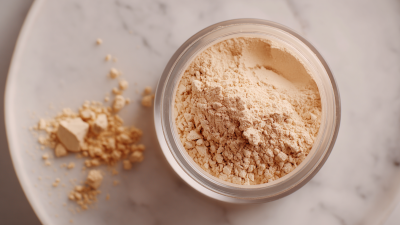
Retinaldehyde powder offers various benefits for skin health. It's known for its ability to support skin cell turnover. This leads to smoother, more even-toned skin. Users often see improvements in fine lines and overall texture over time.
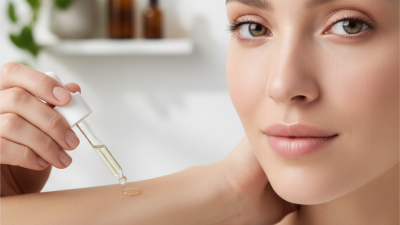
For optimal results, incorporating retinaldehyde powder requires some considerations. Start with a patch test to assess your skin’s response. Apply a small amount to a discreet area to avoid irritation. Once tolerance is established, gradually increase the frequency of use.
When applying, blend the powder with a suitable carrier cream or lotion. This helps enhance absorption while minimizing potential dryness. Remember to introduce it slowly into your skincare routine, especially if you have sensitive skin. Keep in mind that everyone's skin is different. Adjustments may be necessary based on individual reactions. Consistency is key, but don’t rush the process. Patience often leads to the best outcomes.