Why Is Bakuchiol Oil Considered a Natural Retinol Alternative?
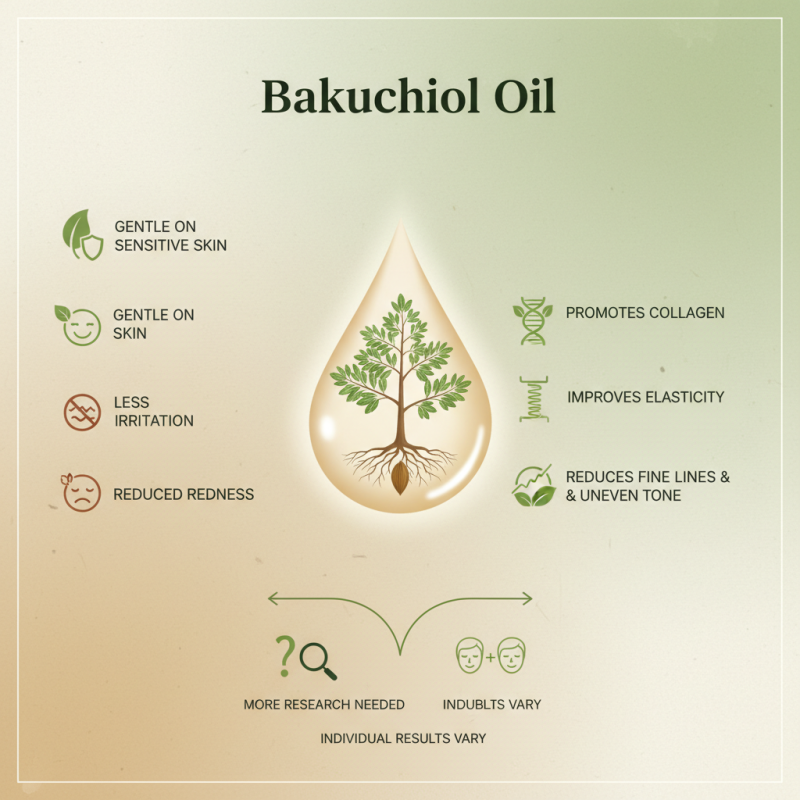
Bakuchiol Oil is gaining popularity in the skincare world. Many view it as a natural alternative to retinol. This oil comes from the seeds of the Psoralea corylifolia plant. Unlike retinol, it is gentle on sensitive skin. Users report fewer irritations and redness when using Bakuchiol Oil.
The benefits of Bakuchiol Oil are impressive. It promotes collagen production and improves skin elasticity. Many find it effective in reducing fine lines. Additionally, it helps with uneven skin tone and texture. Despite these advantages, some are skeptical. They wonder if its effects truly match those of retinol.
Research supports Bakuchiol Oil's effectiveness, but more studies are needed. Not everyone will experience the same results. Personal skin types play a significant role in how products work. Exploring Bakuchiol Oil could be a beneficial journey. However, individual reactions and expectations must be considered. Skin care is not one-size-fits-all.
Understanding Bakuchiol: Origins and Natural Sources
Bakuchiol is derived from the seeds and leaves of the *Psoralea corylifolia* plant. This herb is native to India and Sri Lanka. It has been used for centuries in traditional medicine. The plant boasts antibacterial and anti-inflammatory properties. This makes bakuchiol suitable for various skin types.
Unlike synthetic ingredients, bakuchiol is a natural alternative to retinol. It offers similar anti-aging benefits without the irritation often associated with retinol. Users appreciate its gentler effects on sensitive skin. However, the extraction process can be complex and costly. Not all products labeled as bakuchiol may contain it in effective concentrations.
People often seek alternatives that feel safer. Natural sources are appealing, yet they can vary in potency. The environmental impact of harvesting plants also merits consideration. While bakuchiol has gained popularity, there’s still much to learn about its long-term effects and optimal use. Users should research and choose products wisely.
Comparison of Natural Retinol Alternatives
Chemical Composition of Bakuchiol and its Skin Benefits
Bakuchiol oil is gaining attention as a natural alternative to retinol. Its unique chemical composition offers various skin benefits. Derived from the seeds and leaves of the Psoralea corylifolia plant, bakuchiol contains compounds that have antioxidant and anti-inflammatory properties.
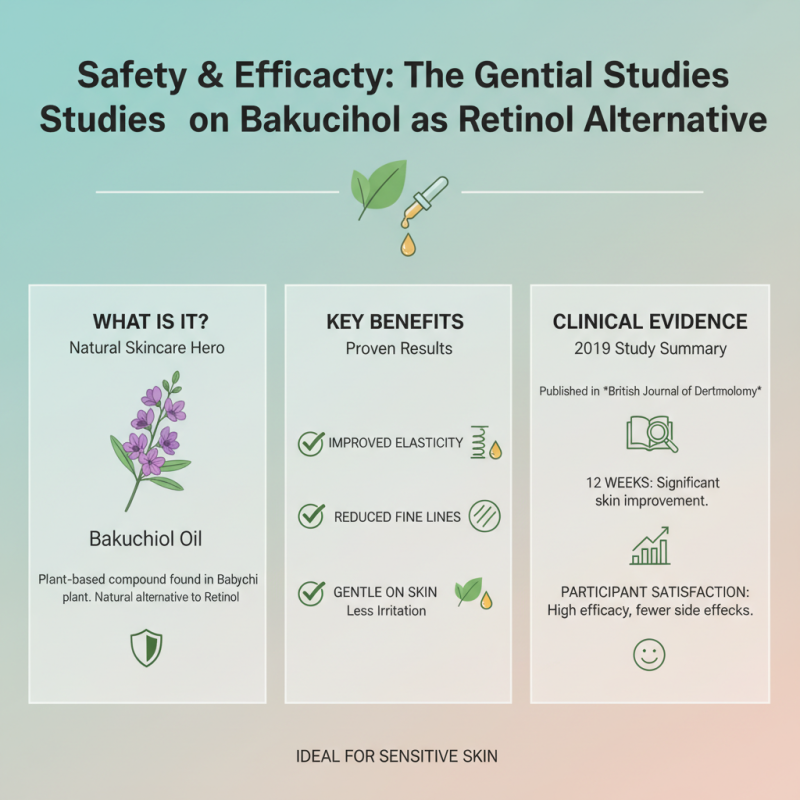
Clinical studies show that bakuchiol may improve skin elasticity and reduce the appearance of fine lines. Research indicates that it can stimulate collagen production, similar to retinol but without the irritation often associated with synthetic versions.
One study published in the International Journal of Cosmetic Science revealed that users experienced a noticeable improvement in skin texture after eight weeks of use. Additionally, bakuchiol is known to enhance skin tone and reduce hyperpigmentation. These attributes make it appealing to those with sensitive skin or concerns about the harsh effects of traditional retinol.
Tips: When starting with bakuchiol, begin with a lower concentration. This approach helps your skin gradually adapt. It’s wise to patch-test any new product. Observing your skin’s reaction can prevent potential adverse effects. Hydrating your skin with a moisturizer after applying bakuchiol can maximize its benefits.
Comparison of Bakuchiol with Traditional Retinol in Skincare
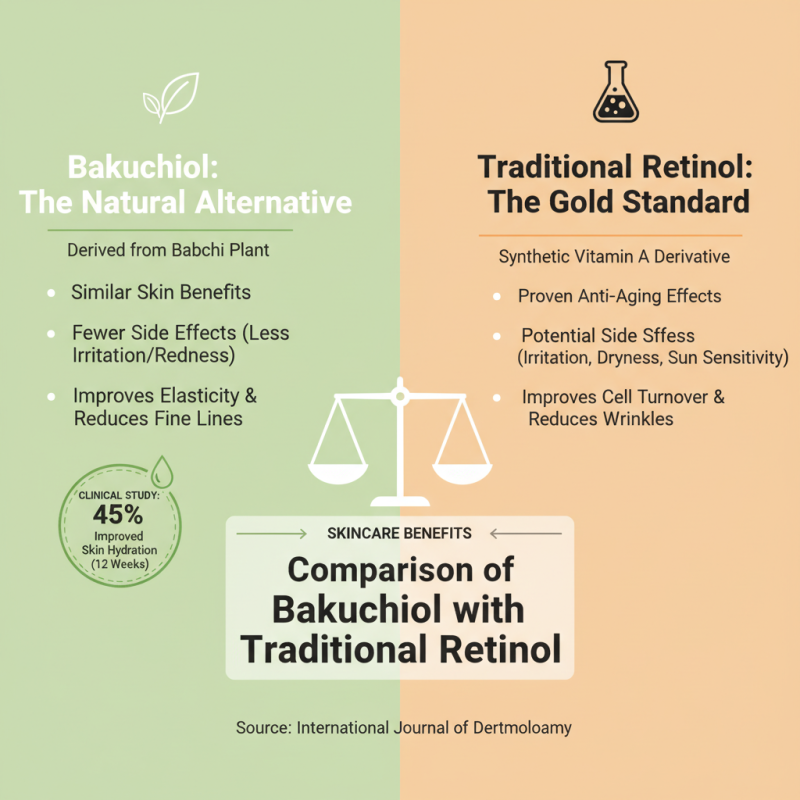
Bakuchiol has gained attention as a natural alternative to traditional retinol. Various studies suggest it shares similar skin benefits but with fewer side effects. Research indicates that bakuchiol can improve skin elasticity and reduce fine lines, akin to retinol. A clinical study published in the "International Journal of Dermatology" noted a 45% improvement in skin hydration after 12 weeks of bakuchiol usage.
While retinol is effective, it often causes irritation. Up to 50% of users report initial redness or peeling. Bakuchiol, on the other hand, is generally well-tolerated. A survey highlighted that only 2% of participants experienced adverse reactions with bakuchiol compared to higher rates with retinol. This makes bakuchiol suitable for sensitive skin types.
Moreover, bakuchiol works effectively when combined with other natural ingredients. Its antioxidant properties help combat free radical damage. A study revealed that bakuchiol significantly reduced pigmentation and improved overall skin tone in subjects after consistent use. However, some argue that more long-term research is needed to fully validate bakuchiol's long-term efficacy compared to conventional retinol. Users looking for gentle yet effective skincare solutions might find bakuchiol a worthy option to explore.
Mechanisms of Action: How Bakuchiol Affects Skin Cell Regeneration
Bakuchiol oil has gained attention for its natural retinol-like properties. It offers potential benefits without the irritation often associated with retinoids. This makes bakuchiol an appealing choice for those with sensitive skin.
The mechanisms of bakuchiol's action are intriguing. It stimulates collagen production and promotes skin cell regeneration. This process helps to improve texture and reduce the appearance of fine lines. Research suggests that bakuchiol mimics the effects of retinol. It also encourages the turnover of skin cells, leading to a brighter complexion.
It’s worth noting that while bakuchiol shows promise, individual results may vary. Some may find it less effective compared to traditional retinol. Others might experience delays in seeing results. Dealing with skincare can sometimes feel frustrating, especially when expectations aren't met. Adjusting to new products requires patience and reflection.
Why Is Bakuchiol Oil Considered a Natural Retinol Alternative? - Mechanisms of Action: How Bakuchiol Affects Skin Cell Regeneration
| Aspect |
Bakuchiol |
Retinol |
| Source |
Plant-based (from Psoralea corylifolia) |
Synthetic derivative of Vitamin A |
| Mechanism of Action |
Stimulates collagen production and cell turnover |
Accelerates skin cell renewal; promotes collagen synthesis |
| Skin Benefits |
Reduces signs of aging, improves skin tone and texture |
Reduces fine lines, enhances skin texture, treats acne |
| Irritation Potential |
Low irritation, suitable for sensitive skin |
Can cause dryness and irritation, especially in sensitive skin |
| Usage Frequency |
Daily use recommended |
Typically used at night; gradual introduction advised |
| Availability |
Widely available in various skincare products |
Available in prescription and over-the-counter products |